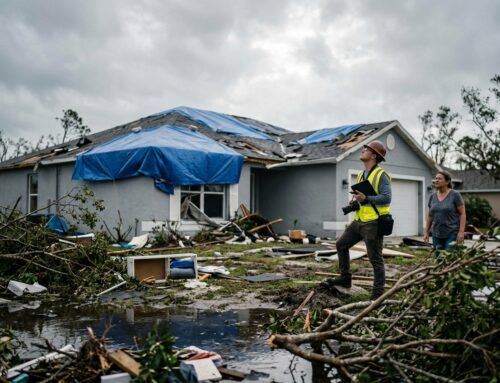
Ever think about how you’d protect important documents if a storm were on its way? Florida’s hurricane season can be unpredictable, and safeguarding essential paperwork is crucial for peace of mind. While you can rebuild a home or replace furniture, some documents hold vital information that can be difficult, if not impossible, to recover.
Think about what happens if a powerful storm causes flooding. Your birth certificates, property deeds, and insurance policies could be at risk if they aren’t securely stored. We rely on these documents to navigate through life’s many twists and turns, from securing a loan to filing an insurance claim.
Preparing in advance ensures these valuable papers remain safe and accessible, no matter what the storm brings. Whether through digital backups or physical protection, taking the necessary steps now can make all the difference when nature throws a curveball. As we dive into tips for securing your documents, consider creating your own preparedness plan tailored to your family’s needs and the unique challenges of living in Florida.
Identifying Crucial Documents
It’s essential to safeguard documents when a storm is approaching. The first step in doing this effectively is identifying which documents are crucial. Prioritize documents that prove your identity and ownership, as these are often necessary for recovery efforts after a storm. Originals or certified copies of birth certificates, Social Security cards, passports, and driver’s licenses are a must to keep secure. These documents will help confirm your identity if you are displaced or require access to important services.
Property-related documents also need protection. This includes deeds, mortgage papers, car titles, and insurance policies. With Florida’s high risk of hurricanes and flooding, having evidence of ownership and understanding your coverage becomes crucial. Make sure you know where your home and car insurance documents are at all times. Reviewing these before a storm gives you peace of mind that your policies are up-to-date.
Consider financial documents like bank accounts, investment records, and retirement account statements. These items are important not only for accessing your finances but also for applying for assistance if needed. Ensure you have your latest tax returns secure as these can be required for various types of aid.
Medical records are often overlooked but can be vital in emergencies. Prescriptions, immunization records, and health insurance cards are important to keep in a safe place. Duplicate these documents if possible, keeping hard copies and digital backups readily available.
Don’t forget about other personal records that are important to you, such as marriage certificates, diplomas, or military records. Any document that supports your personal or financial well-being should be considered critical.
Identifying these crucial documents well before a storm hits allows you to safeguard documents properly. By organizing and preparing in advance, you can ensure that these vital pieces are protected, whether through physical storage or digital backups. Always remember that the specifics can vary based on personal circumstances, so tailor your list to meet your personal needs.
How to Digitally Secure Files
Storing copies of vital documents digitally is an effective step in storm preparation, ensuring you can access them even if the originals are damaged or destroyed. Here’s how you can securely digitize and store your important files:
1. Scan and Upload: Start by scanning important documents, such as insurance policies, identification cards, titles, birth certificates, and medical records. Use a high-quality scanner to ensure the digital copies are clear and legible. Most smartphones have apps that can effectively scan documents using the camera.
2. Choose Secure Cloud Storage: A reliable cloud storage service is essential for keeping your digital documents safe. Platforms like Google Drive, Dropbox, or Microsoft OneDrive offer secure, remote access to files and provide several layers of security. Make sure your cloud storage account is protected with strong, unique passwords and, if available, two-factor authentication.
3. Organize by Category: Once your documents are uploaded, organize them into clearly labeled folders. Consider categories such as “Insurance,” “Personal Identification,” “Medical Records,” and “Property Records.” This organization will make it easy to locate specific documents quickly after a storm.
4. Encrypt Sensitive Information: For added security, encrypt files that contain sensitive information. Encryption tools ensure that even if your cloud account is breached, your documents remain protected. Many cloud storage services offer built-in encryption, but standalone software is also available for this purpose.
5. Regular Backups: Technology can fail, so regular backups are a key part of storm preparation. Schedule periodic backups of your digital files to an external hard drive or another secure location. This ensures you have an offline copy if internet access is disrupted during or after a storm.
Good storm preparation can save time and stress, especially when you know your vital documents are secure and accessible. By digitizing and safely storing files, you’ll have peace of mind during Florida’s storm season.
Physical Storage Solutions
When it comes to safeguarding important documents, physical storage solutions paired with wise planning can provide legal protection during storm season. Especially in Florida, where hurricanes and floods are seasonal challenges, this protection becomes essential for peace of mind.
Start by gathering your documents such as birth certificates, deeds, insurance policies, wills, and any other papers that require legal protection. Place these in a waterproof and fireproof safe. These safes are designed to withstand the perils that come with severe weather and can be found at most office supply stores or online. When selecting a safe, ensure it’s rated for both fire and water, as this dual protection offers a more comprehensive security solution.
Another layer of security involves using sealed plastic bags or containers before placing documents in the safe. These additional barriers help protect against moisture intrusion if the safe is compromised. They’re inexpensive and readily available at most local stores, making them an easy solution for boosting the protective qualities of your safe.
Store this safe in an elevated, easily accessible location in your home. Consider areas firmly attached to the structure of the house and away from potential flooding hotspots such as basements or ground-level rooms. If you live in an area prone to flooding, upstairs storage might be a necessary precaution.
It’s wise to keep a detailed list of all the documents housed in your safe. Knowing exactly what you’re protecting can ease the recovery process should any storm damage occur.
For those who travel frequently or have a secondary residence within Florida, consider placing duplicates of essential documents in a secure location, like a safety deposit box at a bank. For many, this added level of legal protection offers reassurance that their most critical records are preserved, no matter where they are when a storm hits.
By carefully storing documents, you safeguard not only papers but also your legal standing and future access to crucial information, creating a solid foundation for navigating life’s unexpected challenges.
FAQs: How to Safeguard Important Documents Before a Storm
1. How can I protect important documents from water and wind damage?
To protect your important documents from water and wind damage, it’s best to store them in waterproof and windproof containers. Use sealable plastic bags and place them in a sturdy, fireproof, and waterproof safe. Make sure the safe is in a secure part of your home, away from windows and potential flooding. If a storm is imminent, consider temporarily relocating your documents to a bank safety deposit box.
2. Are digital backups reliable for document security?
Digital backups can be a reliable option for securing your documents, but they are most effective when combined with physical precautions. Scan your important documents and store them in a secure cloud service. This ensures you have access to digital copies of your critical information even if the originals are damaged. Regular updates to your digital backups are essential to ensure accuracy and completeness.
3. What documents are essential to keep safe during a storm?
The essential documents to keep safe during a storm include identification papers (passports, birth certificates, driver’s licenses), insurance policies, legal documents (wills, deeds, and titles), financial records (bank statements, tax returns), and any medical records or prescriptions. Keep these documents organized and readily accessible to save time in emergencies. Remember that insurance policies may vary, so having both physical and digital copies ensures you can quickly access these critical documents when needed.
Next Steps
Taking steps now to secure your important documents means you’re prepared, no matter what hurricane season throws your way. Identify which papers are vital and keep them in mind when setting up your preparedness plan. Digital backups provide a second layer of security accessible from anywhere, while a waterproof and fireproof safe offers physical protection within your home. Remember to use additional precautions like sealed plastic bags to thwart water damage and keep items well-organized for quick retrieval. These measures, thoughtfully chosen, act as safeguards for your identity and assets during Florida’s storm season, ensuring you have the peace of mind you deserve.