The Role of Insurance in Hurricane Recovery
When a hurricane tears through Florida, the damage it leaves behind can feel impossible to face. For residents of Palmetto and across the Sunshine State, hurricane recovery starts with one critical question: do you have the right insurance? Hurricanes are a fact of life here, but with the proper planning and coverage, the path to rebuilding can be a little smoother.
Insurance plays a vital role in helping individuals and businesses regain their footing after these destructive storms. It can provide the financial support needed to repair or replace damaged property and cover temporary living expenses when your home is uninhabitable. Coverage can vary greatly depending on your specific policy and carrier, though. Many standard homeowner policies, for example, do not cover flood damage, which is one of the most common consequences of a hurricane.
Understanding how your policy works in the aftermath of a storm can make all the difference in the speed and success of your recovery. Being informed means you’re not left picking up the pieces alone, but ready to rebuild, stronger and more prepared for the future.
How Insurance Facilitates Recovery
After a hurricane hits, the road ahead can feel overwhelming. Having the right insurance coverage helps by providing financial support and peace of mind. Think of it as a safety net that keeps you from falling all the way to the ground while you figure out your next move.
Property insurance plays a significant role in covering damages to your home or business. It often includes protection for structures, personal belongings, and sometimes additional living expenses if you need temporary housing. In Florida, where hurricanes are a recurring reality, having a policy that covers wind damage and flood is essential. Standard home insurance typically does not include flood coverage, so securing a separate flood insurance policy can make a substantial difference in your recovery.
For commercial properties, business interruption insurance is another important piece. This coverage helps replace lost income and cover ongoing expenses if your business has to shut down due to hurricane damage. It keeps businesses financially stable during repairs and helps them get back on their feet faster.
Auto insurance matters too, especially if your vehicle takes a hit from the storm. Comprehensive auto policies usually cover flood and windstorm damage, so you can repair or replace your car without absorbing the full cost yourself.
On a more personal level, life and health insurance provide financial help for medical expenses and support for family members dealing with a loss.
Taken together, the right insurance reduces immediate financial strain and lets you focus on rebuilding. For Florida residents, having comprehensive coverage that addresses local risks is key to an effective hurricane recovery. Make sure your policies are current and reflect the actual value of your assets.
Steps to Filing a Claim
Once a hurricane passes, filing a claim is one of the first things you need to do. Before anything else, confirm it’s safe to return to your property. Then follow these steps.
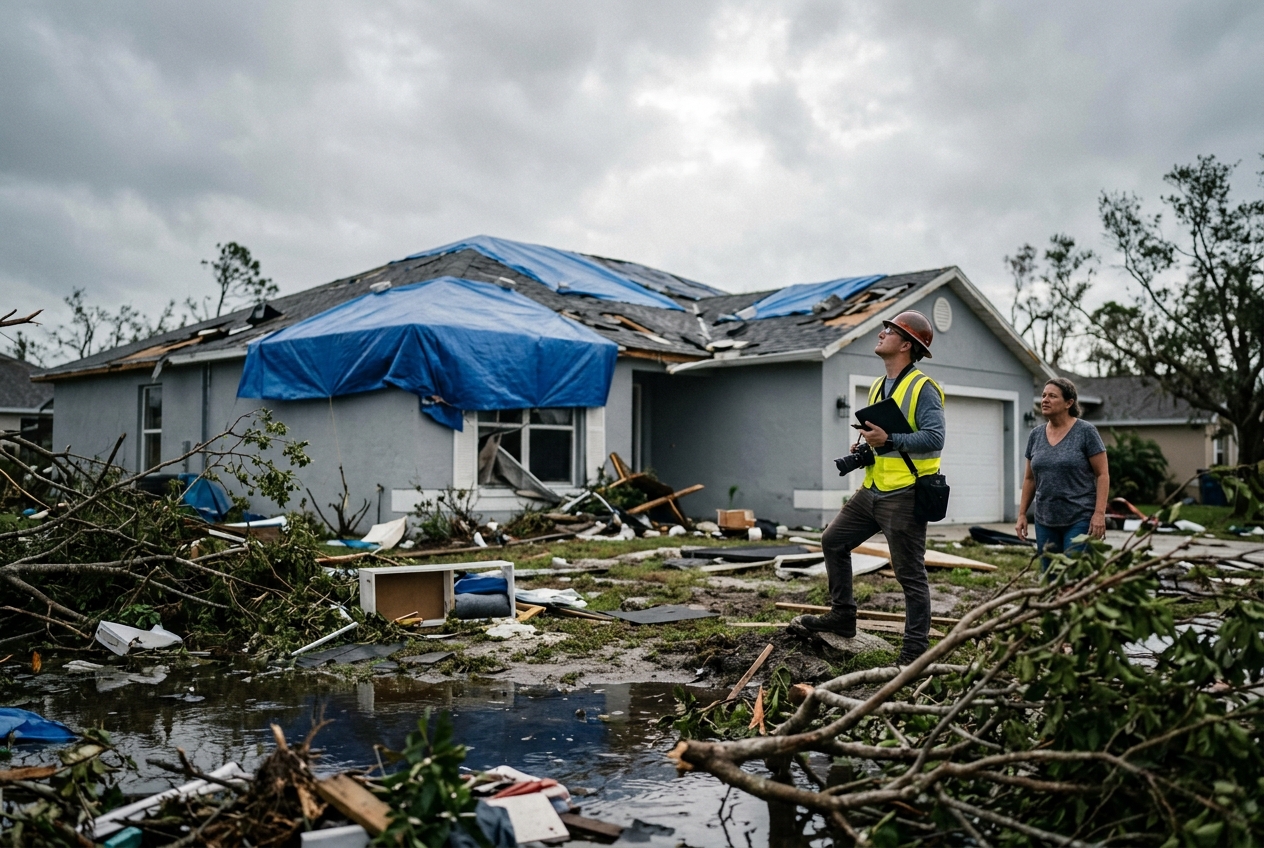
Start by documenting the damage thoroughly. Take photos and videos of every affected area. Make a detailed list of damaged items and, if possible, locate receipts or proof of purchase. Good documentation is the backbone of a fair settlement.
Contact your insurance company as soon as you can. Delaying can cause unnecessary complications. Have your policy number ready and be prepared to describe the extent of the damage. Knowing what your policy covers for wind or hurricane damage will help you understand what to expect. For additional guidance on understanding hurricane insurance, the Insurance Information Institute is a helpful resource.
After you’ve reported the damage, most insurers will send an adjuster to assess your property. Walk them through everything and share all your documentation. The adjuster is there to evaluate your claim fairly, but it’s equally important that you advocate for the full and fair repair or replacement value of what was damaged.
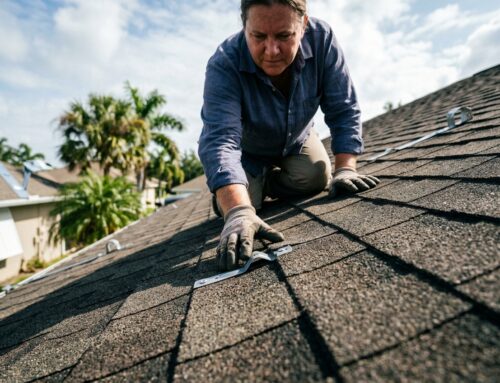
In the meantime, take steps to prevent further damage. If your roof is leaking, a temporary tarp can minimize water intrusion. This is both a practical step and, in many policies, a requirement. Keep all receipts for materials or services, as your insurer may reimburse those costs.
Finally, keep clear records of every communication with your insurer. Save emails, note the dates and details of phone calls, and file any written correspondence. These records create a timeline that can be invaluable if any disputes or delays come up.
Maximizing Your Recovery Benefits
The period after a storm is stressful, but a few focused steps can help you get the most out of your coverage.
Begin with a thorough assessment of the damage. Document everything with photos and videos before you start cleaning up. While it’s tempting to dive into repairs right away, hold off on major work until your insurance adjuster has seen the property. That said, go ahead and make temporary fixes to stop things from getting worse, like covering broken windows or putting tarps over damaged sections of your roof.
Clear communication with your insurer is essential. When you call, have your policy number ready along with detailed notes about the damage. If you’re a Florida resident, check whether your policy includes hurricane or wind damage endorsements, since those are especially relevant given the state’s storm exposure. Recovery benefits vary widely depending on your policy, so read the specifics carefully.
Make sure you also understand your deductible. In Florida, hurricane deductibles often work differently from standard deductibles. It’s not uncommon for policies to include a separate, higher deductible for named storms, so know what portion of the costs you’ll be covering yourself before you start budgeting for repairs. The Florida Division of Emergency Management also offers resources that can help guide your recovery planning.
Don’t overlook additional living expenses coverage if part of your home is uninhabitable. This can cover temporary housing and meals, which adds up fast. Save every receipt, because you’ll need them to validate that portion of your claim.
With a proactive approach, you can maximize your benefits and begin rebuilding faster and more effectively.
Frequently Asked Questions
FAQ 1: How can insurance facilitate recovery after a hurricane?
Insurance plays a critical role in hurricane recovery by providing financial assistance to repair or replace damaged property. Homeowners insurance can cover structural repairs and personal belongings, while flood insurance may address water damage. For businesses, commercial insurance can help in rebuilding operations. Specific coverage varies depending on your policy and carrier, so understanding your policy details before a storm can help streamline the claims process afterward.
FAQ 2: What steps should I take immediately after hurricane damage?
First, make sure you and your loved ones are safe. Once it’s safe to return, document the damage by taking photos and videos of your property. Notify your insurance company as soon as possible to begin the claims process. Make temporary repairs to protect your property from further damage, such as covering broken windows or a leaking roof, and keep all receipts for materials purchased, as these may be reimbursable.
FAQ 3: How can I maximize my insurance benefits after a hurricane?
Keep detailed records of all communication with your insurer throughout the claims process. Track any expenses related to temporary repairs or temporary relocation. Review your policy carefully to understand your coverage limits and what documentation is required for reimbursement. Being thorough and proactive with your records will help ensure you receive everything you’re entitled to. When in doubt, reach out to your insurer directly for guidance specific to your situation.
Next Steps For You
The road back after a hurricane can feel daunting, but a solid insurance strategy makes the process more manageable. Insurance is a critical part of rebuilding your home, business, and daily life. It provides the financial support needed to repair damage, replace belongings, and cover interim living expenses while you get back on your feet. In a state like Florida, where hurricanes are a recurring threat, knowing your policy inside and out matters. Keep your coverage current, document damage thoroughly, and stay in close contact with your insurer. Those steps alone put you in a much stronger position to recover and regain stability after the storm.
If you’re unsure whether your current coverage is enough, reach out to the team at Anderson Insurance Group to review your options and make sure you’re protected before the next storm season arrives.