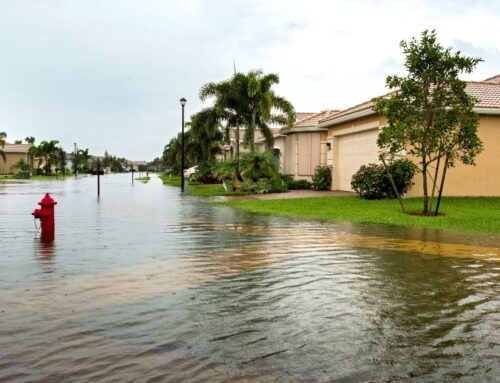
Do you know the difference between federal and private flood insurance? In Florida, where hurricanes and heavy rains can quickly turn a sunny day into a flooding nightmare, understanding your flood insurance options is crucial. Both federal and private flood insurance policies have their unique benefits and potential drawbacks, and grasping these differences can help you make a more informed decision.
Federal flood insurance, typically under the National Flood Insurance Program (NFIP), is widely available and generally offers standardized coverage options. This makes it a reliable choice for many homeowners. However, it often comes with limitations in coverage amounts and may not be as flexible as some private policies. Private flood insurance, on the other hand, can offer more tailored coverage options and higher limits, catering to specific needs that might better suit your situation.
As you navigate the complexities of flood insurance, consider factors like coverage limits, flexibility, and response times. Your choice will not only affect your peace of mind but also your financial resilience in the face of Florida’s unpredictable weather patterns. Let’s explore these options further so you can determine which is the best fit for your home.
Differences in Policy Features
When comparing federal flood insurance and private options, it’s essential to understand how their policy features differ. Federal flood insurance, offered through the National Flood Insurance Program (NFIP), is generally standardized. The coverage typically includes two main areas: building and contents. Building coverage may help cover structural damage, while contents coverage can assist with reimbursement for personal belongings. However, this type of insurance often has predetermined limits. For instance, building coverage maxes out at $250,000, and personal property at $100,000. The terms and conditions in these policies are quite standardized, leaving limited room for customization. If you live in flood-prone Florida areas, this might influence your decision.
Private flood insurance can offer more flexibility. Unlike federal flood insurance, private policies may offer higher coverage limits or even full replacement costs, which could be especially beneficial for homes with higher values, a common reality in Florida. Customizable options might allow homeowners to include coverage for basements or additional living expenses after a flood. These types of services could be crucial during hurricane season when flooding is more likely.
Availability is another important difference. Federal flood insurance is available to anyone in a participating NFIP community, which encompasses most of Florida. On the other hand, private insurers can selectively offer policies based on risk evaluations. This flexibility allows them to decline coverage in high-risk areas, potentially leaving fewer options for some Florida residents.
Keep in mind, the process for applying coverage in a claim scenario also differs. Federal flood insurance often has a standardized claims process, whereas private insurers might provide faster claims processing or personalized service. However, these benefits often vary and are not guaranteed. Overall, when analyzing the differences in policy features between federal flood insurance and private options, it is important to evaluate your personal needs and risks to determine the best fit for your circumstances.
Coverage Options and Costs
When considering flood insurance in Florida, one of the key factors to evaluate is the range of coverage options and costs available. With private flood insurance, you often have more flexibility, which can be advantageous in a state frequently exposed to hurricanes and heavy rainfall.
Private flood insurance policies tend to offer more extensive coverage options compared to standard federal policies. For starters, private insurers may cover additional structures like detached garages or sheds located on your property. Some private policies even include temporary living expenses if your home becomes uninhabitable after a flood event. This could be especially beneficial in Florida, where severe weather might bring unexpected displacements.
Private flood insurance also provides the possibility to insure your personal property at its replacement cost, rather than its depreciated value. This is an important consideration in Florida, where the cost of replacing damaged items can be significant.
When it comes to cost, private flood insurance can sometimes be more competitive than federal options, especially if you live in areas perceived as lower risk. Insurers have more flexibility in evaluating risk, which could translate to better rates for homeowners in certain parts of Florida. However, it’s important to note that costs can vary significantly between providers, and factors like your property’s location, elevation, and flood history will all impact premiums.
While private insurance can offer tailored options at potentially lower rates, it’s crucial to weigh these against the stability of federal insurance. Federal policies, administered through the National Flood Insurance Program (NFIP), maintain consistent pricing regardless of market fluctuations, offering predictable rates year after year.
Keep in mind that coverage and cost will vary based on the specific policy and carrier. Before making a final decision, it’s wise to compare different private flood insurance offerings to ensure you find a plan that best meets your coverage needs and budget constraints. Always review the details of what is included and excluded in any policy to avoid surprises when you need it most.
Choosing the Suitable Plan for You
When assessing the pros and cons of federal versus private flood insurance, it’s important to consider the specific needs of your property in Florida. Flood coverage is crucial in this state, where heavy rainfall and hurricanes pose significant flood risks. Navigating the options available ensures you choose a plan that provides the best protection for you.
Federal flood insurance, provided through the National Flood Insurance Program (NFIP), is a reliable option, especially for homeowners in high-risk flood zones. The NFIP is backed by the government, which means it offers standardized coverage across the board. This can be beneficial for those looking for consistency and who have properties in areas where lenders require flood insurance. One pro is that NFIP policies often come with standardized premiums that might be easier on your budget. However, the NFIP can have limitations on coverage amounts for both your property and its contents, which could be a con if your property’s value is above those limits.
On the other hand, private flood insurance can offer more flexibility and potentially broader coverage. Private policies often allow you to tailor your plan to fit your specific needs, whether you require higher coverage limits or additional protections not offered by the NFIP. Privacy can be a major draw, as private insurers may also process claims faster and offer additional perks, like temporary housing coverage if your home becomes uninhabitable. However, a potential downside is that costs can be less predictable—private companies set their own rates, which can fluctuate based on risk assessments.
When deciding between the two, consider factors like your property’s location, flood history, and how much coverage you really need. If your home is in a high-risk area, you might be drawn to the reliable safety net of the NFIP despite its potential limitations. Conversely, if tailoring coverage and faster claim processing is crucial, private insurance might be worth the potential for higher premiums. Weighing these pros and cons will help you choose the most suitable plan to protect your Florida home from the unpredictable nature of flooding.
FAQ: Federal vs. Private Flood Insurance
What is the difference between federal and private flood insurance?
Federal flood insurance is offered through the National Flood Insurance Program (NFIP), which is backed by the federal government and managed by the Federal Emergency Management Agency (FEMA). Policies are available to property owners, renters, and businesses in participating communities and provide standard coverage limits. Private flood insurance is provided by private insurers and can offer more flexible and potentially higher coverage options that can be tailored to individual needs. Keep in mind the coverage and terms can vary widely between private providers.
Are private insurers as reliable as federal flood insurance?
Private insurers can be reliable, but it’s essential to research and choose a reputable provider. While NFIP policies are backed by the government, private insurers are subject to state regulations, and their reliability can depend on their financial stability and terms of the policy. It’s important to review the insurer’s reputation, financial ratings, and customer feedback before making a decision.
How do I decide between federal and private flood options?
Deciding between federal and private flood insurance depends on your specific needs and risk factors. If you live in a high-risk flood area, understand the coverage limits and requirements of the NFIP. Consider private insurance if you need higher coverage limits or want more comprehensive options. Compare the costs, coverage options, and claims process of both federal and private insurers. Speaking with an experienced insurance agent, such as those at Anderson & Associates in Palmetto, Florida, can help you identify the best coverage for your situation. Remember that coverage specifics and availability can vary, so evaluate your choices carefully.
Next Steps
Understanding the differences between federal and private flood insurance is key for homeowners in Florida’s unpredictable climate. Both types of insurance have distinct features that can impact your decision. Federal policies offer the reliability of standardized options and government backing, making them a solid choice for those in high-risk areas. However, they come with coverage caps that may not suffice for more valuable properties. Private flood insurance provides more customization and broader coverage options, yet it often comes at varying costs based on risk assessments. Evaluating these factors alongside your specific needs helps you choose the most suitable coverage to protect your home. Whether you opt for the consistent approach of federal insurance or the tailored flexibility of private policies, careful consideration of your property’s needs and risks is essential for ensuring peace of mind in the face of Florida’s flood risks.