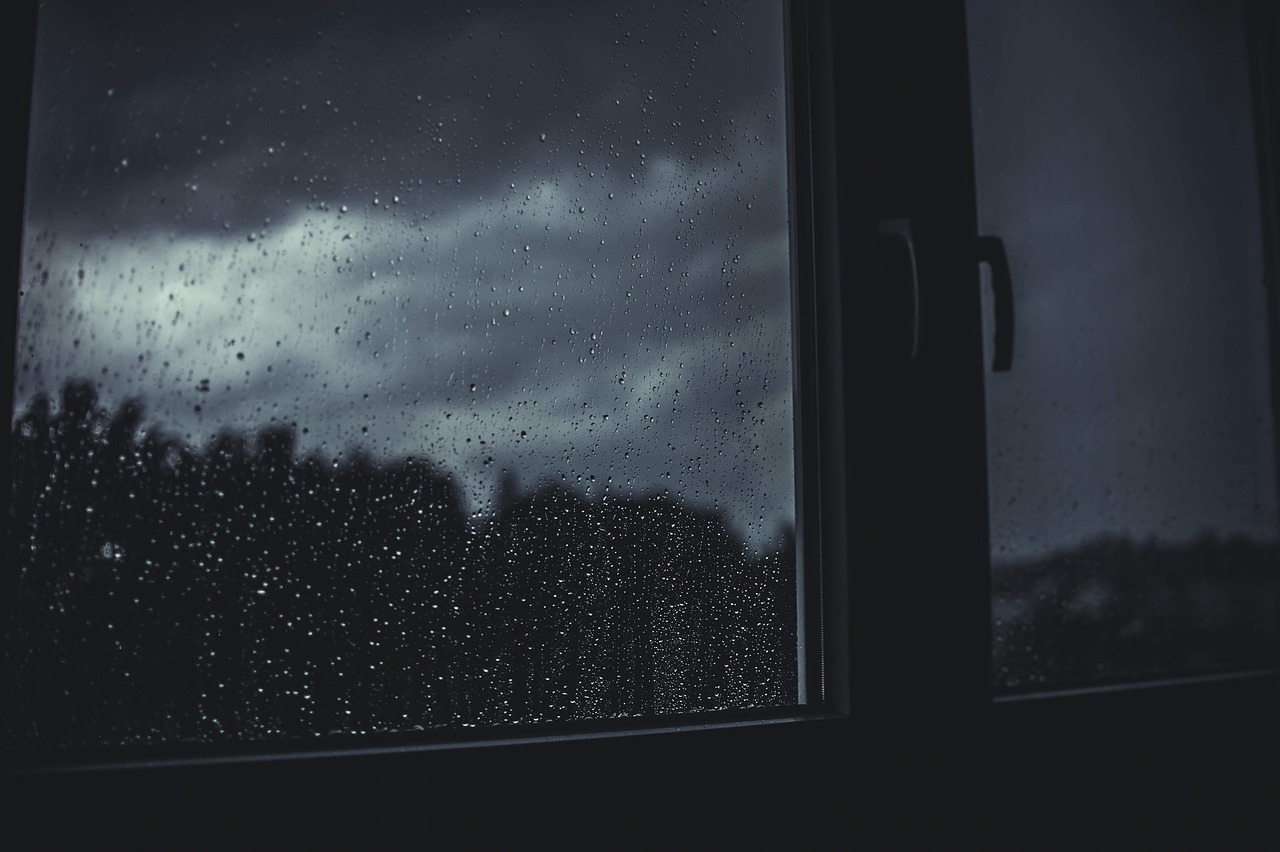
Hurricanes are a reality Floridians know all too well. Are you prepared for the next storm? As hurricane season approaches, it’s crucial to ensure your insurance policies are up to date and truly protective of your assets. Whether you’re checking on your home, car, or business, each has unique coverage needs during stormy months.
In Florida, the risk of hurricane damage is significant, with high winds and heavy rains potentially harming your property and vehicles. Understanding your existing coverage and identifying any gaps can make all the difference when a hurricane hits. Home insurance typically covers damage from winds, but it’s important to verify what’s covered and what’s not, such as flood damage, which usually requires a separate policy.
It’s not just about safeguarding physical property. Reviewing any life insurance policies can also give peace of mind during this often anxious time. At Anderson & Associates, we’re here to help you navigate your insurance options, ensuring you have the right protections in place before you need them. This hurricane season, don’t leave your coverage to chance. Reach out to discuss your needs and stay prepared for every possibility Florida weather might bring.
Reviewing Your Current Policy
When hurricane season approaches, it’s crucial to get familiar with your insurance coverage. Reviewing your current policy is an essential first step. This quick review helps you identify whether you have enough protection against potential hurricane damage or if adjustments are necessary.
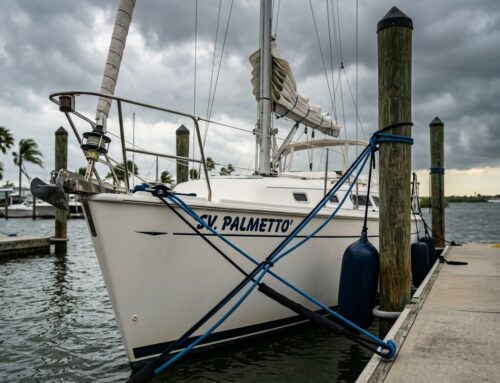
Florida residents are acutely aware of the power of a hurricane, especially those living close to coastal areas like Palmetto. Check your policy for hurricane insurance specifics. Not all standard homeowners insurance policies automatically include hurricane or windstorm coverage. Pay close attention to any exclusions or limits that might affect your claim in the event of hurricane-related damage.
Look for wind coverage or a separate windstorm policy, as damage from high winds often requires additional coverage. Flooding is another major concern during hurricane season. Standard policies don’t cover flood damage, so you’ll need a separate flood insurance policy. FEMA’s National Flood Insurance Program (NFIP) is a valuable resource for this coverage, but it has a 30-day waiting period, so don’t delay if this is something you need.
At Anderson & Associates, we emphasize the importance of understanding your policy’s deductible. Many policies in Florida include a hurricane deductible, which is a percentage of your home’s insured value. You’ll want to make sure you can comfortably manage this cost if disaster strikes. Review any documented appraisals or coverages to ensure accuracy and adequacy concerning your property’s current value. Property values often fluctuate, and you want to avoid being underinsured.
Don’t overlook your personal belongings. Contents coverage can vary, and your policy should accurately reflect the value of items you want to protect. Some policies offer replacement cost coverage instead of actual cash value, which can be beneficial if you need to replace damaged possessions.
By reviewing your current policy in detail, you’ll have a clearer understanding of what hurricane insurance you have and if any changes are necessary. Making informed updates before the first storm watch can provide peace of mind as the hurricane season approaches.
Additional Coverage Options
While your standard homeowners insurance policy forms the backbone of your protection, it may not cover all the risks associated with Florida’s hurricane season. Considering additional coverage options is essential to ensure you’re fully prepared when storms roll in.
Flood insurance is at the top of the list. Despite a common misconception, standard home insurance doesn’t cover flood damage. Given Florida’s low-lying geography and high flood risk during hurricanes, flood insurance becomes an essential coverage for homeowners here. The Federal Emergency Management Agency (FEMA) offers flood insurance through the National Flood Insurance Program (NFIP), but private flood insurance options are also available, often with expanded coverage options.
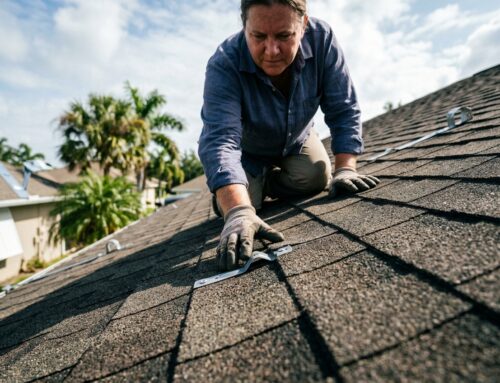
Windstorm insurance is another critical addition. While many homeowners insurance policies cover wind damage, there might be limitations or exclusions, especially in hurricane-prone areas. Check your policy to see if wind coverage is included, and consider supplementing it if there’s a gap. This is particularly important in Florida, where hurricane-force winds can cause significant damage to roofs, windows, and other structures.
For those who own mobile homes, specialized mobile home insurance might be necessary. Mobile homes can be particularly vulnerable during strong winds and flooding. Confirm that your policy includes comprehensive wind and flood coverage for peace of mind.
Lastly, personal property coverage ensures your belongings are protected. Hurricanes can lead to water intrusion, even when the structure remains intact. Additional riders for high-value items like jewelry, electronics, or art can provide extra protection beyond standard limits.
Reviewing your policies each year before hurricane season helps ensure that you maintain essential coverage. Adjustments can be made to add or increase limits on flood, windstorm, and personal property coverages tailored to your needs. In this way, you’re better equipped to face Florida’s unpredictable weather with confidence.
Tips for Filing Claims
Filing insurance claims after a hurricane can feel overwhelming, but a little storm preparation beforehand can make the process much smoother. Start by reviewing your policy details and knowing what’s covered. This is crucial because coverage varies by policy and carrier. Understanding your deductibles and limits helps you anticipate what expenses might be out of pocket.
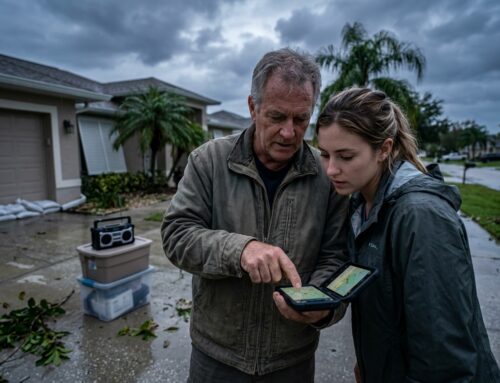
Before the storm arrives, take “before” photos or videos of your property. These will serve as a vital record when assessing any damages later. Keep this digital record backed up securely, whether in cloud storage or on a device that’s easy to access. Make sure to include all key areas: your home’s exterior, roof, and any valuable items inside. It’s also wise to save copies of receipts for big-ticket items like appliances or electronics.
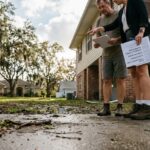
After the storm has passed, assess and document the damage immediately, but ensure it’s safe to do so first. Avoid removing debris or making major repairs until you’ve thoroughly documented everything with clear photographs or video. This documentation plays a critical role in your claim.
Keep a detailed list of damages along with any temporary repairs you make to prevent further damage. Remember, while you should make basic repairs to secure your property—such as covering broken windows or gaps in the roof—avoid extensive repairs until you’ve spoken with your insurance adjuster. Save all receipts and document any costs incurred during this period, as they may be reimbursable.
Communication with your insurance provider is key. Report the damage as soon as possible. Most companies offer several ways to file a claim, whether via phone, online, or through a dedicated app. Ensure you have your policy number handy and be prepared to provide a detailed account of the damage.
In the midst of recovery, organization can make all the difference. Keep all related documents, emails, and notes in one place, readily accessible for any follow-ups. With prudent storm preparation and methodical documentation, filing claims post-hurricane doesn’t need to be a daunting task.
Frequently Asked Questions
FAQ1: Is special hurricane coverage necessary?
In Florida, hurricane coverage is crucial due to the high risk of storms. Standard homeowners insurance typically includes coverage for wind damage, which hurricanes often cause. However, flood damage is generally not included, and separate flood insurance is necessary. It’s important to check with your insurer to confirm what’s covered under your policy. Coverage varies based on your provider and policy details, so a review with your insurance agent is recommended to ensure you have the appropriate protection.
FAQ2: How do I ensure my home is adequately insured for hurricanes?
To make sure your home is properly insured, start by reviewing your current policy to understand the extent of your coverage, especially related to wind and water damage. Consider the replacement cost of your home, as you want to insure for rebuilding rather than the home’s current market value. An annual policy review is a good practice, adjusting coverage based on any home improvements or market changes. Also, speak with your agent about adding flood insurance if you’re in a high-risk area, as this is a separate policy.
FAQ3: What is the process for filing a hurricane-related insurance claim?
After ensuring everyone’s safety and addressing immediate hazards, document the damage with photos and written descriptions. Notify your insurance company as soon as possible to start the claims process. They’ll guide you on what information is necessary and whether an adjuster will be sent to assess the damage. Remember to keep records of all communications and save receipts for any emergency repairs or lodging. Each insurer may have a slightly different process, so following their guidance is key to ensuring a smooth claims experience.
Next Steps
Navigating the hurricane season in Florida requires more than just securing your property against physical damage. It’s about being proactive in understanding your insurance coverage and making necessary adjustments before any threat arrives. Since hurricanes can impact everything from your home and vehicles to personal belongings and life insurance, taking the time to thoroughly review your current policies is vital. By considering additional coverages such as flood and windstorm insurance, you can fill in any gaps that might leave you vulnerable during a storm. Having a plan for documenting and filing claims efficiently can also streamline recovery if damage occurs. At Anderson & Associates, we encourage you to engage in this preparation and reach out to ensure all aspects of your protection are as robust as possible. Stay informed and make sure your coverage meets your needs, giving you the peace of mind to focus on staying safe this hurricane season.