When a Hurricane Hits, Every Hour Counts
When a hurricane tears through your property, reporting damage quickly is one of the most important things you can do. In Florida, with its frequent brushes with powerful storms, knowing how to respond can make a world of difference for your home or business. The aftermath is overwhelming, but timely reporting isn’t just prudent — it’s essential.
When a hurricane hits, assessing and documenting damage promptly can be crucial in ensuring your insurance claim is processed smoothly. Delays lead to complications that can affect how much your insurance covers. Most policies have specific timelines for reporting claims, and missing those deadlines can mean real financial setbacks.
Timely reporting also helps you prioritize urgent repairs and prevent further damage. Whether it’s a leaky roof or broken windows, addressing issues quickly protects your property from additional losses. Florida’s high humidity and persistent rain make this step even more critical.
Acting promptly gives you peace of mind and aids in faster recovery. Taking that first step toward a claim can secure a more stable future for you and your loved ones.
Immediate Reporting Benefits
When it comes to reporting damage after a hurricane, timing is everything. The sooner you report to your insurance agency, the smoother the claims process tends to be. Prompt reporting helps ensure your case gets the attention it needs from the start. In Florida, where hurricanes can cause significant destruction, getting things rolling quickly can make a big difference.
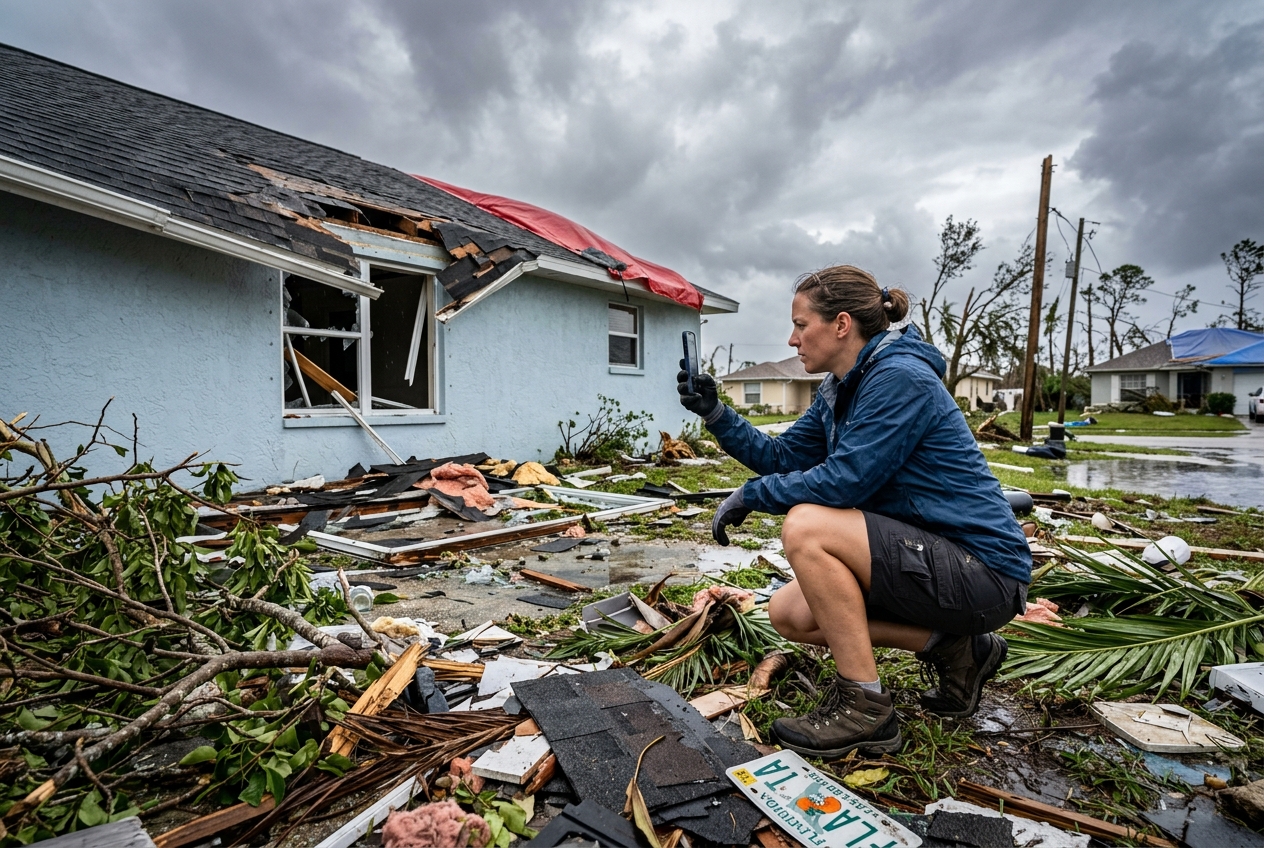
One of the main benefits of immediate reporting is preserving evidence. Hurricanes leave behind a trail of destruction, and insurance adjusters need clear, detailed information to assess the extent of damage accurately. By reporting as soon as possible, you allow your insurance company to capture those details while they’re still fresh. Photos, videos, and written descriptions taken right after the storm create a clear picture of the initial impact. That clarity can be crucial as your claim moves forward.
Early reporting also speeds up the processing period. When you report right away, you’re setting the stage for a quicker response, which means repairs can begin sooner and compensation decisions get made faster. Think of it like being first in line at a busy repair shop after a major storm. Quick action is particularly valuable in Florida, where contractors and repair services can get booked out for weeks following a large hurricane.
Immediate reporting also helps prevent further issues. Hurricanes weaken structures, leaving them vulnerable to additional damage. By acting swiftly, you help your insurer make timely decisions that could prevent further loss, whether through expedited repair work or temporary fixes that protect your property.
There’s also the peace of mind that comes with knowing you’ve done everything you can. Dealing with hurricane aftermath is never easy, but taking this step ensures your rights and interests are being safeguarded from the moment damage occurs.
Collecting Necessary Evidence
After a hurricane strikes, documenting the damage promptly can significantly impact the outcome of your insurance claim. Thorough, organized evidence is what supports the damages you’ve encountered. Start by safely assessing your property as soon as it’s feasible.
Take photographs and videos of all affected areas. Capture clear, detailed images from multiple angles, since these visuals help substantiate the extent of the damage. Include pictures of structural damage, roof issues, broken windows, and flooded areas. Document unaffected areas as well, for comparison. Natural light improves photo clarity, so work in daylight whenever possible.
Keep a written record alongside your photos. Jot down notes detailing the date, time, and location of each piece of damage, along with a brief description of what caused it. For example, note whether strong winds damaged the roof or floodwaters entered your home.
If you can do so safely, collect physical evidence like broken shingles, window panes, or other debris. Physical evidence often provides additional proof when filing your claim.
In Florida, where cleanup and repairs can begin quickly after a storm, holding onto receipts and invoices for immediate repairs or emergency purchases is critical. Document expenditures for items like tarps, plywood, and professional services. These records form an important part of your claims submission.
If your neighborhood in Palmetto faces widespread impact, consider reaching out to neighbors who could support your claim with their own accounts or photos. Building a complete picture of the hurricane’s impact on your home increases the likelihood of a satisfactory resolution.
Coverage varies depending on your policy and carrier, so understanding the specifics of your coverage and having proper evidence will keep your claims process on track.
Effective Communication with Insurers
Once the initial shock subsides, the insurance process becomes your path toward recovery. Effective communication with your insurer is key. Document all damage meticulously before you make that first call. Take clear photographs of affected areas and items, write detailed notes, and gather any relevant receipts. That documentation helps both you and your insurance company move the claim forward efficiently.
When you reach out to your insurer, have your policy number on hand. Clarify any questions about your coverage upfront to set realistic expectations. Ask specifically what damages are covered and what your deductible involves. Understanding this early saves you from surprises down the road.
Report the damages as soon as possible. Many policies have time limits for reporting after a loss, and acting quickly ensures you’re not inadvertently forfeiting coverage. Floridians especially should be aware of local flood and wind coverage specifics, since hurricane-related damages often require special consideration in the claims process.
Effective communication doesn’t stop at one phone call. Follow up regularly to check the status of your claim. Keep track of every interaction, noting who you spoke with and any response timelines you were given. That paper trail fosters transparency and can sometimes move things along faster.
In Palmetto, Florida, where seasonal storms are a reality, staying proactive with your insurer after a hurricane is essential. By understanding your policy, documenting thoroughly, and keeping the lines of communication open, you put yourself in a much stronger position for a timely and fair resolution.
Frequently Asked Questions
Why is timely reporting crucial for hurricane damage?
Timely reporting is essential because it helps expedite the claims process. After a hurricane, insurance companies handle a high volume of claims, and being one of the first to report gets you closer to the front of the line. Prompt reporting also allows for quicker assessments, which can lead to faster repairs and help prevent further damage. Delays can complicate the process and potentially affect your coverage options, since most policies have specific timeframes for reporting.
What evidence should I gather before reporting damage?
Gather comprehensive evidence before you file. Start with clear, detailed photographs or videos of all affected areas, using wide shots for context and close-ups for detail. Document structural damage, water ingress, and broken items. If possible, gather receipts or records for damaged belongings to verify their value. Keep notes on the date and time of the damage and any immediate repairs you made to prevent further issues.
How can prompt reporting affect claim outcomes?
Prompt reporting helps ensure your case is handled efficiently. Quick action facilitates timely inspections by adjusters, making it easier to establish the cause and extent of damage while it’s still fresh. That accuracy helps align compensation with actual damages. Reporting promptly also demonstrates due diligence on your part, which can strengthen your claim’s credibility and support a smoother resolution. Coverage details vary, so refer to your individual policy or carrier for their specific requirements.
Next Steps For You
Taking quick, organized action after a hurricane can make a significant difference in how your recovery unfolds. Reporting damage promptly helps ensure your claim is processed smoothly and speeds up necessary repairs. Documenting everything with photos, videos, and written notes gives your claim the evidence it needs to hold up. Prompt reporting keeps you aligned with most policy timelines and helps minimize further damage to your property. Pair that with clear, ongoing communication with your insurer and a solid understanding of your specific coverage, and you’re in a far stronger position to navigate the claims process. In Florida, where hurricanes are a fact of life, these steps are what protect your assets and get your recovery moving as quickly as possible. Contact us today to review your coverage and make sure you’re prepared before the next storm hits.