Building a Contact List
When a hurricane is heading your way, your emergency contacts matter just as much as your flashlights and bottled water. As Floridians, we know that preparation is everything during hurricane season. While stocking up on supplies and securing your home is crucial, having a list of essential emergency contacts at your fingertips can make all the difference when it matters most.
In Palmetto and other coastal areas, where the risk of hurricanes looms each year, knowing who to contact before, during, and after a storm protects your safety and the well-being of your loved ones. This list often includes local emergency services, utility companies, and medical facilities, along with your insurance agency for any claims that might arise. Staying informed and connected means having peace of mind amid the chaos that often accompanies severe weather.
At Anderson & Associates, we’re dedicated to helping our community navigate these tough times. That’s why we’re sharing advice on which numbers to have ready, so you can focus on what truly matters: keeping you and your family safe.
Building a Contact List
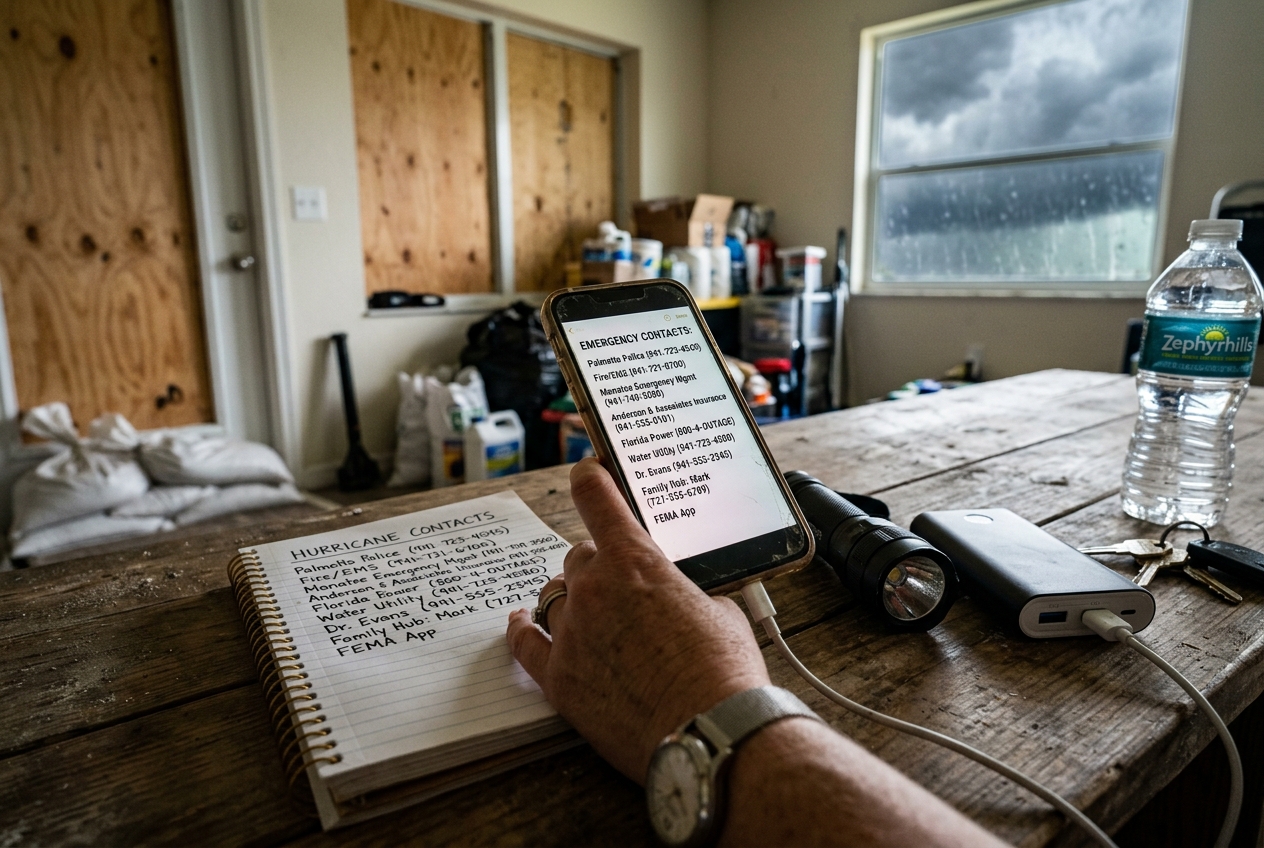
Creating a well-organized list of emergency contacts is crucial for anyone living in hurricane-prone areas like Florida. Knowing who to call and where to get timely assistance can make a significant difference when a storm rolls in. Start by gathering essential contact information for your household and making sure everyone knows how to access it.
First, prioritize local emergency services. This includes the Palmetto Police Department, Fire Department, and local emergency management office. These resources provide critical updates and assistance during hurricanes, so make sure to include their phone numbers and any emergency hotlines specific to your area.
Next, add your insurance agent and claims contacts to the list. For Florida residents, this is particularly important for handling potential damage quickly and efficiently. Include Anderson & Associates’ contact information if they’re your insurer, along with your policy number. Having that ready can speed up the claims process considerably.
Utilities are another important addition. Having direct contacts for your electric, water, gas, and even internet providers lets you report outages or issues without wasting time searching for a number. Most of these companies have dedicated emergency lines for exactly this kind of situation.
Include contacts for family and friends, both local and out of state. These should be people you can rely on for support or who may need updates on your situation. It’s worth identifying one person who can serve as a central point of contact if local communications become difficult. Think of them as your family’s communications hub during the storm.
Don’t forget healthcare contacts. This includes your primary care physician, local hospitals, and any specialists you or your family members may need. If you rely on regular medication, keep your pharmacy’s contact information handy as well.
Finally, add your workplace contacts to the list, including your employer and any team members you may need to reach in an emergency. Knowing how to contact colleagues keeps things running as smoothly as possible under difficult circumstances.
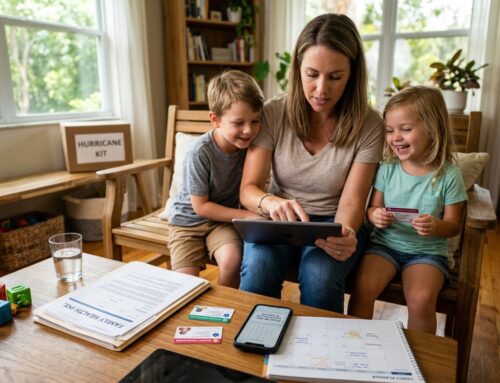
Keep this list updated and accessible. Print a copy and store it in a waterproof bag with your emergency supplies. Save the contacts on your smartphone and make sure they’re backed up to the cloud. A little organization now means far less scrambling when a storm is on the way.
Quick Access to Services
Good hurricane planning isn’t just about supplies and shutters. Knowing who to call during a storm can save precious time and spare you a lot of unnecessary stress.
Keep local emergency services at your fingertips. Program contact information for the Palmetto Police Department and Manatee County Sheriff’s Office directly into your phone. In emergencies, every second counts, and having these numbers ready is a simple step that’s easy to skip until you actually need it.
Don’t overlook utility services. Power outages are common during severe weather in Florida, so save your electricity provider’s contact details so you can report outages or downed power lines right away. The same goes for water and gas companies, especially if you need to flag service disruptions or safety concerns.
Health services deserve a spot on this list too. Know where your nearest hospital is and how to get there quickly, even under stress. If you or a family member depend on medical equipment that requires electricity, talk to your healthcare provider now about contingency plans. Keep your pharmacist’s number handy in case you need refills during an extended disruption.
For more localized support, include contact information for your homeowner’s association or neighborhood watch. These community connections are valuable both before and after a storm. Neighbors are often the fastest source of information about evacuation routes or which local stores are still open.
On the government side, the Florida Division of Emergency Management offers reliable storm tracking updates and recovery resources. Bookmark their site now so you’re not searching for it when conditions deteriorate and your connection is spotty.
With thoughtful preparation, having quick access to these services means you can stay focused on what matters most: the safety and security of your family and home.
Using Online Resources
When hurricanes approach, reliable information can be just as valuable as a full tank of gas. Several online platforms exist specifically to keep you informed and prepared.
Start by bookmarking the National Hurricane Center’s website. It provides real-time updates on storm paths, wind speeds, and hurricane watches or warnings. Understanding those updates helps you decide whether it’s time to evacuate or hunker down and stock up on essentials.
The Florida Division of Emergency Management’s website is equally useful for state-specific guidance. There you can find emergency alerts, shelter locations, and post-storm recovery assistance. Having those resources bookmarked before a storm gives you a structured plan rather than a frantic search.
Social media can serve as a surprisingly practical tool during hurricanes. Follow local government pages, weather channels, and emergency services on platforms like Facebook and Twitter. These accounts post live updates, advisories, and safety tips that sometimes surface faster than traditional news outlets.
Apps are worth downloading before storm season gets going. The FEMA app and NOAA Weather Radar both push notifications directly to your phone, so you’re not relying on remembering to check in. With alerts enabled, you’ll stay current even when you’re busy managing everything else.
Florida residents can also lean on community-driven online forums and neighborhood groups, where locals share real-time conditions on the ground. Road closures, store supplies, volunteer opportunities: these grassroots networks fill in the gaps that official channels sometimes miss, and they tend to spark the kind of neighbor-to-neighbor collaboration that makes a real difference after a storm.
Frequently Asked Questions
Who should be included in my emergency contact list?
Your list should cover several key areas. Start with family and friends who are outside the hurricane’s path and can provide support or pass along information. Add local contacts like your doctor and your insurance agent from Anderson & Associates. Include local emergency services such as the police and fire department, along with your utility companies. Having these numbers on hand means you can reach out quickly without losing time when it counts.
How can I quickly access emergency services during a hurricane?
Store important numbers both in your phone and on a physical notepad. This should include the state’s emergency management office, local shelters, and the National Hurricane Center. Emergency apps can also help you reach services quickly and receive real-time updates. Keep in mind that 911 is always available for immediate emergencies. Make sure your phone is fully charged before a storm hits, and keep a portable charger in your kit in case the power goes out.
What role do online resources play in emergencies?
Online resources provide up-to-the-minute information when you need it most. Local news station websites, city and county emergency management pages, and the Florida Division of Emergency Management are all reliable sources worth following. Their social media accounts often deliver real-time updates and instructions faster than a broadcast. Having access to your insurance policy through your Anderson & Associates account online can also help you file claims faster if property damage occurs. Just make sure the sources you’re using are credible, since misinformation spreads quickly during emergencies.
Next Steps For You
A solid list of emergency contacts is one of the most practical things you can put together before hurricane season peaks. At Anderson & Associates, we believe in being proactive. Having local emergency services, utility companies, healthcare providers, and your insurance contacts all in one place can make a real difference when a storm is bearing down. Whether you write them on a notepad or save them in an app, having that information ready reduces panic and helps you stay focused on what actually matters: keeping your loved ones safe and informed. Use the online resources, lean on your community, and take advantage of the digital tools available to you. Stay prepared, stay safe, and trust the network you’ve built to carry you through storm season.