Are you prepared for the next hurricane? In Florida, the reality of hurricane season is something we can’t ignore. Ensuring you have a well-stocked emergency kit is a vital step in protecting your family and home. Having the right supplies on hand can make a significant difference during these unpredictable storms.
While everybody’s needs are unique, there are essential items no kit should be without. From vital documents to basic survival essentials, each component plays a critical role during an emergency. If the power goes out or roads become impassable, you’ll want to ensure you’re more than just ready—you’ll want to be reassured.
In this article, we’ll explore the top items you should include in your hurricane emergency kit. Whether you’re a seasoned pro or new to Florida’s stormy weather, these recommendations can help you feel more secure and confident as hurricane season approaches. Let’s get started on making sure you and your family are protected, come wind and high water.
Hurricane Kit Essentials
When hurricanes approach, having a well-prepared emergency kit can make all the difference in how you weather the storm. In Florida, where hurricanes are a reality, understanding what makes up your emergency kit essentials is vital for safety and peace of mind.
Start with water. Each person should have at least one gallon per day, and aim to prepare for at least three days. If you have pets or require additional water for cooking, adjust accordingly. Bottled water is the easiest and safest choice.
Next, consider your food needs. Non-perishable items such as canned goods, granola bars, and dried fruits are excellent emergency kit essentials. Look for foods that don’t require refrigeration or cooking. Don’t forget a manual can opener if some of your supplies are canned foods.
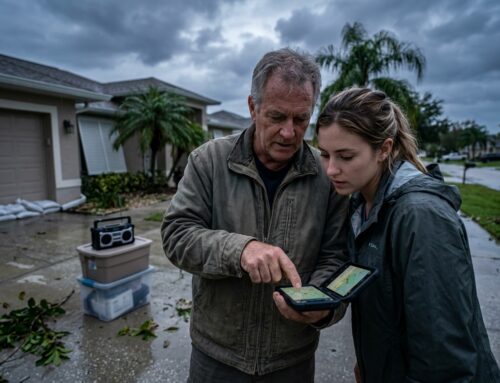
A flashlight with extra batteries is crucial. Florida’s power outages due to hurricanes can last from a few hours to several days. A battery-powered or hand-crank radio is also indispensable to stay updated on weather conditions and emergency instructions. Cell phones are a primary communication tool, so include a portable phone charger.
First aid supplies should not be overlooked. Your emergency kit should contain bandages, antiseptic wipes, gauze, a thermometer, pain relievers, and any prescription medications that might be necessary. If you have any chronic conditions, make sure to have enough medication on hand.
You should also have personal hygiene items like hand sanitizer, toilet paper, and sanitary wipes. These will help ensure you maintain hygiene even if regular services like running water are disrupted.
In Florida, personal documents are an important aspect of your emergency kit essentials. Keep copies of insurance policies, identification, and any important legal documents sealed in a waterproof bag.
Additionally, include a basic tool kit with items like a wrench or pliers to turn off utilities if needed. Finally, an emergency blanket and a change of clothes appropriate for Florida’s climate are important to keep everyone comfortable.
These emergency kit essentials provide a solid base to ride out the storm. Customize based on your personal needs but ensure these basics are always in place.
Food and Water Storage
When preparing your hurricane emergency kit, food and water storage must be a priority. Experts recommend at least a three-day supply per person, but having up to seven days can offer more peace of mind, especially in Florida where hurricanes can disrupt services longer than expected. This simple step is key to ensuring hurricane safety for you and your family.
Start with water, the most critical item. Store one gallon per person per day. This ensures enough for drinking, cooking, and minimal hygiene needs. Remember to rotate your water supply every six months to keep it fresh. Don’t forget about pets—they need water, too.
For food, non-perishable items are essential. Select foods that require minimal preparation, no refrigeration, and that your family enjoys. Canned goods like fruits, vegetables, and meats are staples thanks to their long shelf life. Be sure to include a manual can opener in your kit.
Granola bars, nuts, and dried fruits are excellent choices for snacks, providing crucial energy when you need it. Instant oatmeal packets can be prepared with bottled water and are a comforting option during stressful times. Look for ready-to-eat meals and soups; many only need boiling water to be appetizing.
Remember to consider dietary needs and allergies among your family members. If infants or elderly individuals are in your household, ensure you have baby formula or meal replacements suitable for them. It’s beneficial to keep a list of expiration dates and manage a rotation of items as part of your regular hurricane safety plan.
Finally, maintaining a small backup of camping gear with your food storage, like portable stoves or utensils, can be immensely helpful if there are long-term power outages. This allows for easy preparation of meals under challenging conditions. By preparing thoughtfully, you can ensure your family is ready to face any storm season disruptions in Palmetto or throughout Florida.
Important Documents and Records
When preparing your hurricane emergency kit, organizing your important documents and records is a crucial step. This part of your preparedness checklist ensures that you have access to essential information when you need it most. Start by gathering originals or copies of identification documents. Include passports, driver’s licenses, birth certificates, and social security cards. You’ll need these to verify your identity or that of your family members if you have to evacuate.
Next, consider your housing and financial records. Titles or deeds to property, insurance policies, and mortgage or lease agreements should all be included. Since Florida is prone to hurricanes, make sure your documents include specific provisions related to storm or flood damage. This will help you understand coverage details and make necessary claims more easily.
Your financial readiness is also vital. Ensure that you have recent bank statements, credit card information, and a list of any direct deposits or automatic payments. This information will assist you if you need to contact your financial institutions or manage your finances remotely due to evacuation or prolonged displacement.
Medical records should not be overlooked. Compile a list of prescriptions, any necessary medical equipment, and doctor or specialty care contacts. This ensures you can access your medical needs even if local medical facilities are overwhelmed or unavailable. If you or a family member have a condition requiring regular appointments or treatments, note the details.
Consider digital copies of these records as an extra layer of backup. Save scanned copies on a flash drive or a secure cloud storage with encrypted access. This way, you can retrieve them if the physical copies are damaged or lost. Remember that while technology is helpful, batteries and power may be limited during an emergency, so the hard copies should still be accessible.
Lastly, don’t forget to include a pen and notebook in your hurricane kit. Sometimes a simple note can be a lifesaver, allowing you to jot down important information or instructions for assistance. When you’ve completed gathering all these items, keep them in a waterproof, portable container that can be easily carried if you need to evacuate swiftly. This thoughtful organization will keep you one step ahead during a hurricane, providing peace of mind that your vital information is securely managed.
FAQ1: What are the must-have items in a hurricane emergency kit?
To prepare for hurricane season in Florida, a well-stocked emergency kit is essential. Key items to include are:
– Non-perishable food: Canned goods, protein bars, and dried fruit are good options.
– Water: At least one gallon per person, per day, for a minimum of three days.
– Flashlights and extra batteries: Power outages are common during hurricanes.
– First aid kit: Include bandages, antiseptic wipes, and any prescription medications.
– Battery-powered or hand-crank radio: Staying informed is crucial when power lines are down.
– Multi-tool or wrench: Useful for turning off utilities if necessary.
– Sanitation supplies: Hand sanitizer, moist towelettes, garbage bags, and plastic ties.
– Sturdy shoes and clothing: Preferably waterproof.
– Blankets or sleeping bags: To keep warm if you’re in a shelter.
FAQ2: How much food and water should I store?
For each person in your household, you should store at least one gallon of water per day for a minimum of three days. This covers drinking and basic hygiene. As for food, store at least a three-day supply of non-perishable items. Remember, it’s better to have more than you think you might need, as recovery efforts can sometimes take several days.
FAQ3: Should I include important documents in my emergency kit?
Absolutely. Keep copies of essential documents in a waterproof container within your emergency kit. This should include identification like passports and driver’s licenses, insurance policy information, medical records, and any contact information for family, friends, and local emergency management offices. Having these documents handy can ease the process of getting assistance and making claims after the storm passes.
Next Steps
Preparing for a hurricane in Florida means more than just watching the forecast—it’s about taking deliberate steps to ensure your well-being and that of your loved ones. A thoughtfully assembled emergency kit is an essential tool for resilience and peace of mind during storm season. With essentials like food, water, first aid supplies, and important documents securely packed, you’re setting a solid foundation for safety. In Palmetto and beyond, residents know the value of being ready when the winds pick up. Tailor your kit to suit your family’s unique needs and stay vigilant. By doing so, you’ll face hurricanes with confidence knowing you’ve done everything possible to protect what matters most.