Water damage can feel overwhelming whether it’s due to a burst pipe or a sudden storm. Here in Florida, where heavy rains and the occasional hurricane are part of life, knowing the essential steps to take after experiencing water damage can save you both time and stress.
First, focus on safety before anything else. Water and electricity don’t mix well, so if it’s safe to do so, turn off the electricity in the affected areas. Then, it’s crucial to address the source of the water. If it’s a leak or plumbing issue, try to stop the flow or contact a professional immediately. Removing water quickly is your next task. The longer water sits, the greater the chance for mold and further damage.
Remember—each situation is unique, and insurance coverage varies. Document the damage with photos and videos and report it to your insurance company as soon as possible. A proactive approach helps in navigating the claims process more smoothly. Taking these steps promptly can make all the difference in how effectively you can recover and restore your home.
Immediate Actions to Prevent Further Damage
Water damage can happen in an instant, whether from broken pipes, heavy rain, or Florida’s ever-present hurricane risk. Taking quick action can help mitigate the damage. Here’s a look at the immediate steps you should take.
First, stop the flow of water if you can. Locate and turn off the main water valve to prevent additional water from entering your home or business. This is one of the most crucial post-water damage steps. If the issue is weather-related, contact local authorities or professionals for immediate help.
Next, prioritize safety. Standing water can be a hazard, especially where there’s potential for electrical issues. Turn off electricity in the affected areas, but only if it’s safe to access the circuit breaker without stepping into water. Avoid using electrical appliances or standing in the water until a professional assesses the situation.
Once safety is handled, it’s time to remove standing water. Use mops, towels, or a wet/dry vacuum if you have one. Remove as much water as possible to prevent further damage and help with the drying process. Be thorough, especially in hard-to-reach areas like corners and under furniture.
Air circulation is also key in your post-water damage steps. Open windows and doors to ventilate the space if weather permits, promoting faster drying. Use fans and dehumidifiers to reduce moisture levels indoors. This can prevent mold growth, which becomes a concern after just 24 to 48 hours of exposure to wet conditions.
Finally, document everything. Taking photos and notes of the damage will be invaluable for your insurance claim. This documentation, even if it’s simply from your smartphone, provides evidence of what happened and supports your case for compensation. Remember that coverage can vary significantly by policy and carrier, so reviewing your insurance documents can also be helpful.
By following these initial actions promptly, you’ll be reducing potential long-term damage and setting the stage for a smoother claims process and repair experience.
Assessing the Extent of Damage
After ensuring everyone’s safety and stopping further water from entering, the next crucial step is assessing the extent of damage. This lays the groundwork for a smoother recovery process. Begin by examining each affected area to determine how far the water has spread and what materials are impacted. In Florida, excess moisture can quickly lead to mold growth due to our warm, humid climate, making it vital to act promptly.
Start your assessment by checking the flooring. Carpets and rugs often absorb moisture, and underneath them, water can seep into floorboards or concrete. Hardwood floors might warp, while tile surfaces could have hidden water underneath. Walls are another area of concern; water can easily wick up drywall, compromising structural integrity. Look for any staining, bubbling, or soft spots, which could indicate deeper damage.
Furniture and personal belongings are next on the checklist. Upholstered furniture can harbor water and facilitate mold growth, and electronics might need evaluation for water exposure. Make sure to document everything with photos or video, as this will be invaluable when discussing your claim with your insurance provider.
Don’t forget to assess less obvious areas, like basements or attics. In these spaces, water may go unnoticed until it has caused substantial damage. Electrical systems and insulation are particularly vulnerable in these areas.
Also, be mindful of outdoor areas. Standing water can erode landscaping and damage outdoor structures. In Florida, prolonged exposure to water might damage hurricane-proofing measures for windows or doors if you’ve invested in them.
As you assess the damage, it’s a good idea to make a list of everything affected. This can help prioritize repairs and streamline communication with contractors and insurance representatives as part of the recovery process. Remember, coverage varies by policy and carrier, so reviewing your insurance policy will help clarify what’s included in your protection plan.
Notifying Your Insurance Company
After experiencing water damage, notifying your insurance company is a vital step in managing the aftermath. Acting promptly can often make the insurance claims process smoother and help you understand the extent of coverage available.
Start by reviewing your current insurance policy. Understanding your coverage for water damage is crucial, as policies can differ significantly. For Florida residents, it’s important to note how your policy addresses common local risks like hurricanes or flooding. Remember, standard homeowners insurance typically doesn’t cover flood damage, so you’ll want to know exactly what’s included in your policy.
Once you’ve reviewed your policy, contact your insurance company as soon as possible. Most insurers have a specified window of time within which you must report a water damage claim. Delaying this step could affect your eligibility for coverage. When you call, have your policy number handy and be prepared to provide details about the extent of the damage.
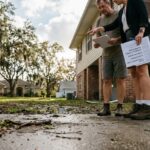
Document everything thoroughly. Take photos and videos to capture the condition of your property immediately after the damage occurs. This visual evidence is crucial for backing up your insurance claims, providing a clear picture of what happened before any cleanup or repairs begin.
While you’re notifying your insurance company, they may advise you on emergency measures you can take to prevent further damage. Following their guidance can be beneficial, as acting on their recommendations might prevent complications in your claim. Keep records of any actions taken, as well as receipts if you make immediate purchases related to mitigating the damage, like tarpaulins or fans.
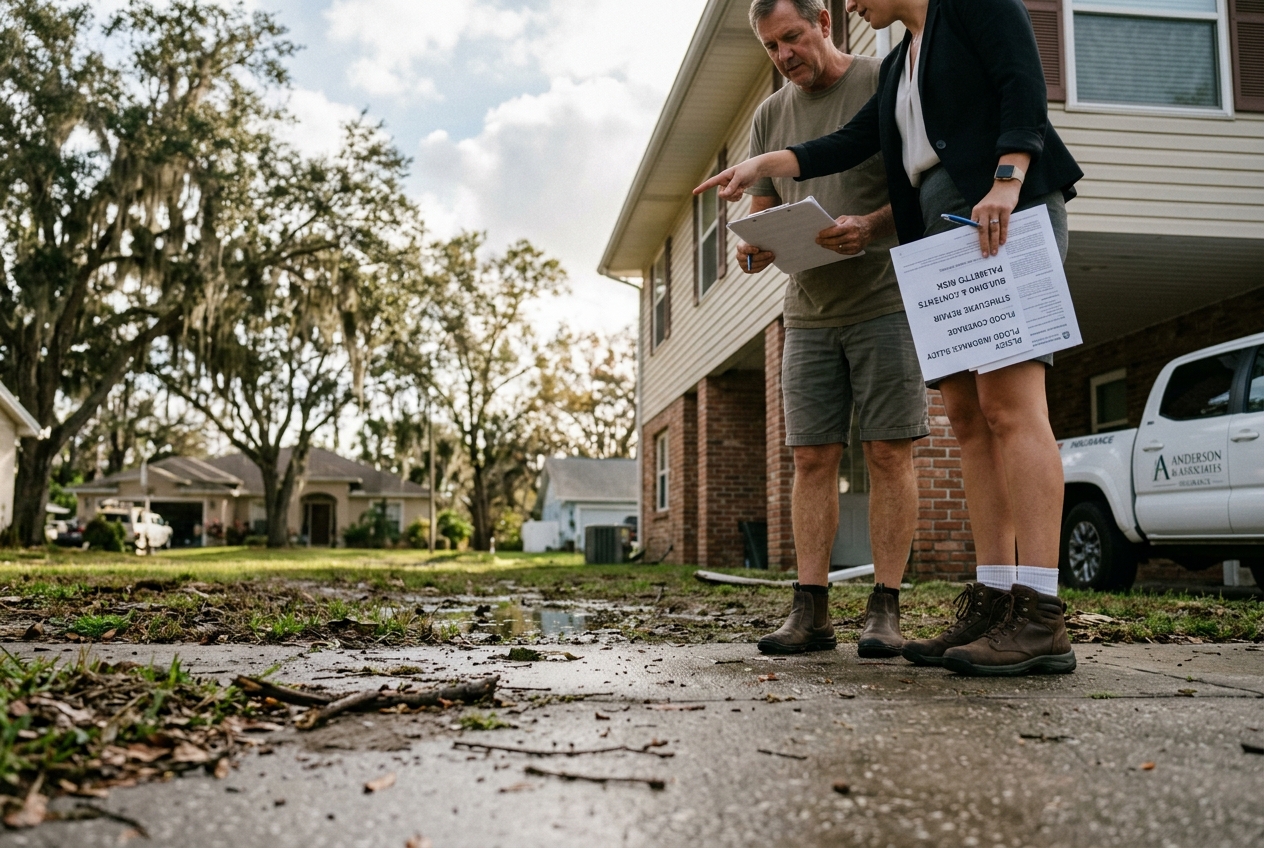
Be ready for the claims adjuster’s visit. Once your insurance company has been notified, they’ll likely send an adjuster to assess the damage. It’s helpful to have all your documentation ready to ensure the meeting is productive and that all aspects of the damage are accurately recorded.
In Florida, where water-related risks are ever-present, being proactive and detailed in this step will help secure the best possible outcome from your insurance claims process.
Frequently Asked Questions
FAQ1: What should be my first step after water damage occurs?
Your first step should be to ensure safety. Make sure all occupants are safe and avoid any areas with potential electrical hazards. Once safety is secured, stop the source of water if possible, such as turning off the main water valve. Afterwards, contact your insurance provider to report the damage. They can guide you on next steps specific to your policy and coverage.
FAQ2: How do I document water damage for insurance claims?
Thorough documentation is crucial for a smooth insurance claim process. Use your phone or a camera to take clear photos and videos of all affected areas and any damaged personal items. Make a detailed list of damaged belongings, including their value and purchase date if possible. Keep any receipts for emergency repairs or services. This documentation will support your claim and help adjusters assess the situation accurately.
FAQ3: When is it necessary to contact a professional for repairs?
You should contact a professional for repairs if the water damage is extensive or involves structural issues, mold growth, or complex electrical systems. Professionals have the expertise and equipment to properly handle and remediate severe damage. Additionally, if water damage stems from a natural disaster common in Florida, like a hurricane, professional assistance is often crucial to ensure your home is restored safely and comprehensively. Consult your insurance policy to understand coverage for professional services in these cases.
Next Steps
Taking decisive action after experiencing water damage can significantly influence the recovery process and restoration efforts. By prioritizing safety, addressing the source of water, and quickly removing it, you minimize potential damage and mold risks. Thorough documentation of the impact offers invaluable support during insurance claims, and proactive engagement with your provider can facilitate smoother resolutions. For Florida residents, familiarizing yourself with your policy’s specifics prepares you better for the unique challenges posed by local weather threats, helping ensure that repairs and claims proceed as effectively as possible.