Is Your Hurricane Insurance Ready for the Next Storm?
If you live in Florida, a regular hurricane insurance evaluation isn’t optional — it’s how you stay ahead of a season that doesn’t care about your schedule. The sunny skies and beautiful beaches are part of the charm, but hurricane season is an unavoidable reality. Understanding your coverage can make all the difference in protecting your home and finances when a major storm rolls through.
Many Florida homeowners assume their standard home insurance policy covers hurricane damage, but that’s not always the case. Wind and flood damage, often brought on by hurricanes, might require separate policies or endorsements. Your policy’s details matter, especially since the state’s unique geography and weather patterns create specific challenges. Flood risk alone varies significantly depending on where your home sits, and different policies handle that risk in very different ways.
If it’s been a while since you reviewed your policy, or if you’ve made recent home improvements, now is a good time to take a closer look. This guide will walk you through the key questions to ask and the steps to take so you can be prepared for whatever the season brings.
Assessing Current Hurricane Risks
Hurricanes are a fact of life for Floridians, which makes it essential to regularly conduct a hurricane insurance evaluation. Understanding your current risks helps ensure you have the right coverage in place to protect your home and assets.
Start by thinking about the geographical realities of living in Palmetto and the greater Florida area. This region is especially vulnerable to hurricanes given its coastal location, which can bring high winds, storm surges, and heavy rainfall. How close your property sits to the coast plays a major role in your risk profile. Homes nearer to the shoreline often face far greater threats from storm surges than those just a few miles inland.
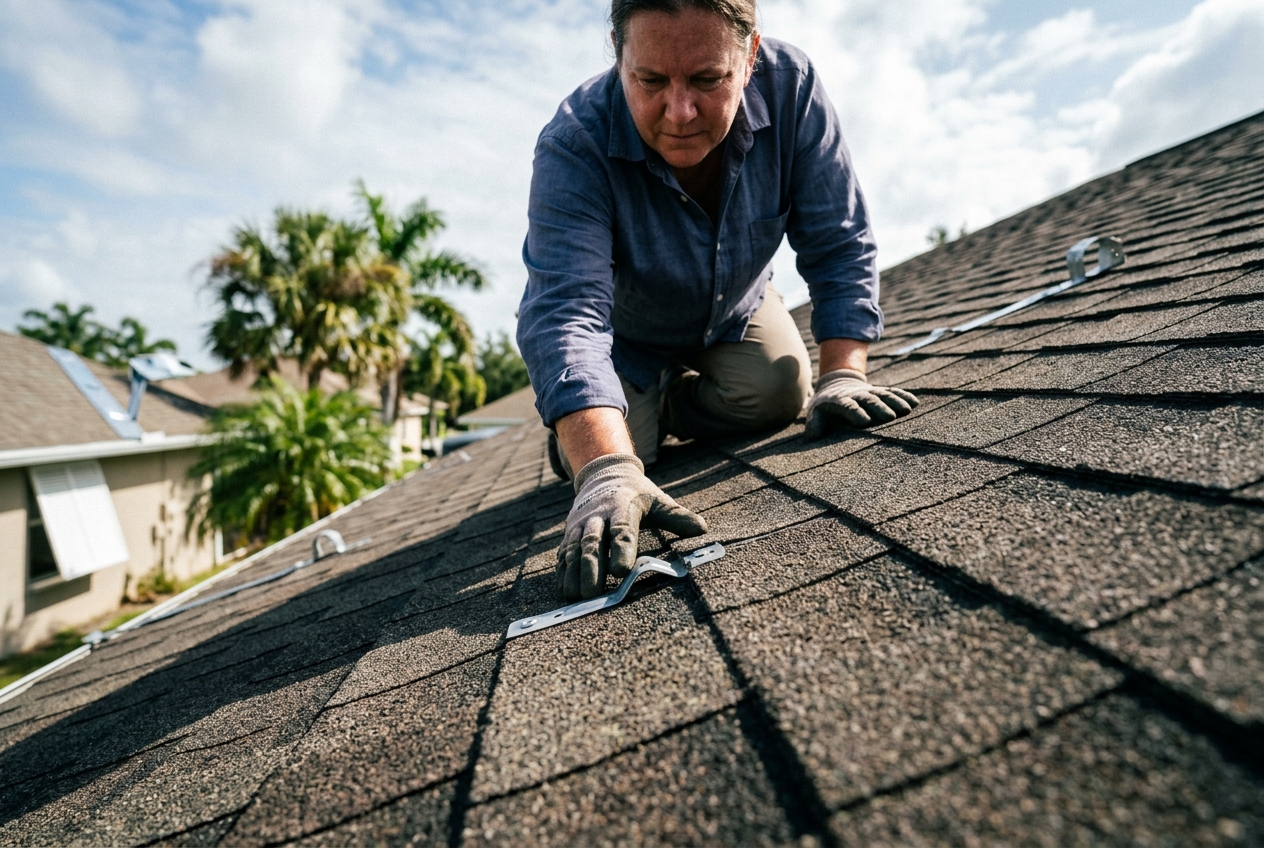
The construction of your home is another factor worth examining. Homes built to newer building codes often hold up better during hurricanes because of advanced wind-resistant materials and designs. If your home is older, it’s worth asking how its structure might affect your coverage needs or premiums.
Don’t overlook localized risk factors either. Large trees nearby or the natural slope of your land can influence flooding potential. Flooding isn’t always covered under standard hurricane insurance policies, so understanding your property’s specific vulnerabilities matters. These details can help you determine whether additional flood insurance is necessary. You can also check flood risk maps through the National Flood Insurance Program to better understand your property’s exposure.
Recent changes to your property deserve attention too. Renovations, new purchases, or landscaping updates can all shift your coverage needs. Insurance requirements can change alongside property updates, so keeping your policy in sync with current conditions is worth the effort.
It also helps to stay current on hurricane forecasts and preparedness guidance from the National Hurricane Center. Storms may be increasing in frequency or intensity, and being aware of that context keeps your hurricane insurance evaluation grounded in reality rather than outdated assumptions.
Finally, talking with a local insurance professional can give you personalized insight into the threats specific to your area. They work with current data every day and can help you make informed decisions about your coverage as hurricane seasons come and go.
Identifying Coverage Needs
A thorough policy review is one of the most practical steps in evaluating your hurricane insurance. It helps you understand what protection you actually have and where the gaps might be hiding.
Start with your home insurance policy. Typical homeowners insurance covers damage from high winds, but hurricanes often require more specialized coverage. Find the windstorm and hurricane sections in your policy and read them carefully. Some policies carry deductibles specifically for hurricane-related damages that are separate from your standard deductible. Knowing that number ahead of time helps you plan financially before a storm ever approaches.
Next, check whether your policy includes flood insurance. In Florida, heavy rains and storm surges can cause serious flooding, and most standard policies won’t cover it. If you don’t have flood coverage, consider a separate policy through the National Flood Insurance Program or a private insurer.
Mobile home owners should pay particular attention here. Many mobile homes require additional anchoring and specific endorsements for effective hurricane protection. Review whether your current plan includes those provisions or whether upgrades are needed.
Supplemental coverages are easy to overlook but can be indispensable during recovery. Additional living expenses coverage provides funds for temporary housing if a hurricane makes your home uninhabitable. Contents coverage protects your personal belongings inside the home. Both are worth confirming.
If anything in your policy is unclear, reach out to the team at Anderson & Associates in Palmetto, Florida. They can walk you through the details and recommend adjustments to align your coverage with your property’s needs and local risks. Those conversations are genuinely valuable when a storm is bearing down.
Keep in mind that coverage varies by policy and carrier. Scheduling regular policy reviews ensures your insurance keeps pace with any changes to your property or local regulations, and helps you avoid unexpected out-of-pocket costs after a hurricane.
Understanding Policy Limits
Understanding your policy limits is essential to storm readiness in Florida. A policy limit is the maximum amount your insurance company will pay for a covered loss, and you want to know that number well before a storm hits.
Every policy sets different limits for different types of damage. Your policy might cap wind damage at one amount and flood damage at another. In hurricane-prone areas like Florida, wind coverage is critical. Confirm that your wind damage limit is high enough to cover the full replacement cost of your home, and check whether your policy carries a separate deductible for hurricane events, since those can significantly affect what you’ll owe out of pocket.
Flood insurance limits deserve the same scrutiny. Standard homeowners policies typically don’t cover flood damage, so a separate flood policy is often necessary, especially in Palmetto and other coastal parts of Florida. The Florida Department of Financial Services offers helpful guidance for homeowners navigating these decisions. Knowing your limits helps you anticipate potential out-of-pocket expenses and plan accordingly.
Contents coverage is another area to examine closely. Take an inventory of your belongings and compare the total value to your policy’s contents limit. This simple exercise often reveals gaps people didn’t know existed. Think of it like checking the spare tire in your trunk before a road trip rather than after a blowout.
Finally, review your loss of use coverage. If a hurricane renders your home uninhabitable, this coverage helps pay for temporary housing and related expenses. Knowing the limit on this benefit helps you budget realistically during the repair process.
Reviewing all of these limits with your insurance agent ensures your coverage reflects your actual needs. Coverage varies by policy and carrier, so it’s always worth asking specific questions rather than assuming.
Frequently Asked Questions
What should I look for when assessing my hurricane insurance?
Focus on a few key areas. Check your policy’s specific coverage for hurricane-related damages, including wind and flood, since these often require separate endorsements. Standard homeowners policies frequently exclude flood damage. Understand your deductibles for hurricane claims, which may differ from your standard deductible. Verify your coverage limits, replacement costs for your home and belongings, and any provisions for alternative living expenses if you’re displaced.
How can I determine if I have adequate coverage?
Start by evaluating the replacement cost of your home and belongings at current market values. Compare that figure to your policy limits. Construction and material costs can swing significantly after a hurricane, so it’s worth building in some buffer. Also review your additional living expenses coverage so you’re not scrambling for a place to stay if your home becomes uninhabitable. A local insurance agent familiar with Florida’s specific risks can give you an informed, grounded perspective.
What additional endorsements might be necessary?
That depends on your location and risk profile. In Florida, a separate flood insurance policy is often recommended given the elevated flood risk during hurricanes. If windstorm coverage isn’t included in your standard policy, that’s another endorsement to consider. You might also look at coverage for higher-value personal property like jewelry or art, or protection for outbuildings on your property. Coverage details vary by policy and carrier, so review your documents carefully and ask your agent specific questions.
Next Steps For You
Evaluating your hurricane insurance is a core part of living in Florida, where storms are as common as the sunshine. Take time to understand the specifics of your current policy and identify any potential gaps, particularly around wind and flood damage. Stay informed about the risks your home faces based on its location, construction, and surrounding environment. Regular policy reviews give you the chance to update your coverage as your property and circumstances change. A knowledgeable local insurance agent can help you tailor your policy to reflect renovations, new belongings, and evolving storm patterns. Know your limits and understand the deductibles you may face following a hurricane. Taking these steps gives you a clear picture of where you stand and lets you approach hurricane season with real confidence in your protection. Coverage details vary by policy and carrier, so always verify the specifics with your agent. Ready to take the next step? Contact the team at Anderson & Associates to review your coverage today.