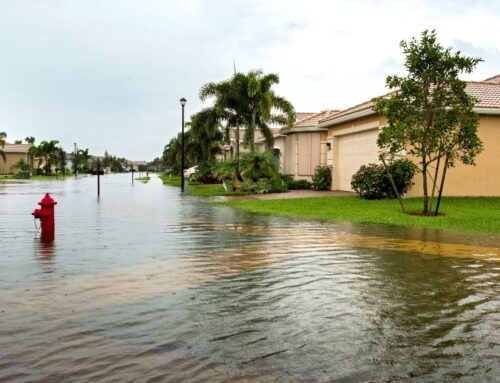
Are you ready for Florida’s unpredictable weather? With heavy rains and the ever-present threat of hurricanes, flooding is a real concern for residents throughout the state. While we all hope to avoid the worst, preparing your household for potential flooding is essential to protect your family and your property.
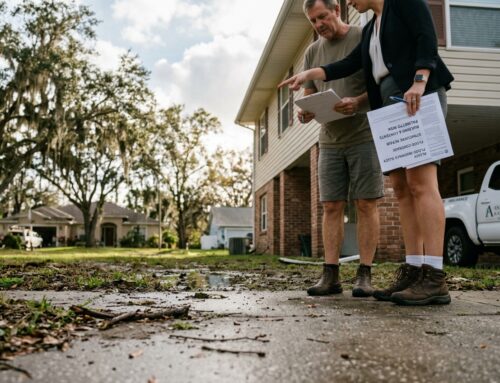
Understanding your flood risk is the first step in crafting a solid plan. Homes in Palmetto and other coastal areas are particularly vulnerable, so it’s crucial to assess your property’s elevation and proximity to flood zones. Even if you live further inland, remember that Florida’s flat terrain can lead to significant flooding during major storms.
Once you know your risk level, you can take practical steps to prepare. From assembling an emergency kit to safeguarding important documents, preparation can make all the difference during a flood event. You’ll also want to review your insurance policy to ensure you have adequate flood coverage, keeping in mind that flood damage is not typically covered by standard homeowners insurance.
In the heart of the Sunshine State, take a moment today to ready your home and family for tomorrow’s challenges. A little preparation now can save a lot of heartache later.
Creating a Family Emergency Plan
Flood preparation begins with creating a solid family emergency plan. Living in Florida, where the risk of flooding can be significant due to hurricanes and heavy rains, makes it even more crucial to have a plan that is tailored to your household’s needs. Start by gathering your family members to discuss the plan, making sure everyone is aware of their roles and responsibilities.
First, designate a safe meeting place. Select a location away from flood-prone areas where your family can gather if you become separated. This could be a nearby friend or relative’s house, or even a community center. Ensure that everyone knows the address and has reliable means to reach it. Regularly review and practice this part of the plan so that it becomes second nature.
Next, develop a communication strategy. Keep a list of essential phone numbers handy, including those of family members, friends, and local emergency services. In a flood preparation scenario, traditional phone lines might become unreliable. Consider using text messaging or social media as alternative methods to stay connected, as they can often work even when the phone calls don’t go through.
Incorporate an evacuation plan into your family emergency strategy. Be mindful of local evacuation routes and incorporate those into your plan. Keep track of your local news and weather updates, paying special attention to evacuation orders. Ensure your vehicle is fueled and ready to go in case you need to leave immediately. If you have pets, make arrangements for them as well, ensuring they can be transported quickly and safely.
As part of your flood preparation, compile an emergency kit. This kit should include basic supplies like water, non-perishable food, medications, flashlights, and a first-aid kit. Store these items in an easily accessible location known to all family members. Reevaluate and restock your emergency kit every six months to account for any expired products or changing family needs.
Lastly, consider the special needs of family members, such as young children, elderly relatives, or those with medical requirements, and tailor your plan to address these considerations. Being prepared for flooding not only protects your household but also brings peace of mind amidst Florida’s unpredictable weather.
Preparing Your Home for Floods
Ensuring household safety during flood threats starts with practical steps to prepare your home. Begin by understanding your property’s flood risk, especially since Florida’s flat terrain and proximity to water elevate this risk. Check local flood maps or consult with professionals to assess how vulnerable your home might be.
Once you’ve gauged your risk, focus on safeguarding your home’s lower levels. Relocate crucial utilities—such as electrical panels, circuit breakers, and heating systems—above potential flood levels. If that’s not feasible, at least ensure they are properly sealed and protected against rising waters. Consider installing flood vents in any crawl spaces to allow water to flow through rather than collapsing walls under pressure from floodwater.
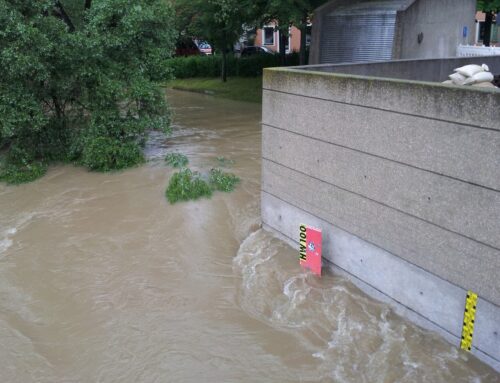
Creating barriers can also enhance household safety. With flood barriers or sandbags, you can divert water away from critical areas. Simple water barriers can prevent minor floods from turning into significant damage.
Pay attention to your home’s foundation and entry points. Seal basement walls with waterproof compounds to block water seepage. Doors and windows may need additional weather stripping to ensure they are airtight. If your property is particularly prone to flooding, explore installing sump pumps to efficiently pump out water that enters basements or crawl spaces.
While structural changes are vital, preventive maintenance is also key. Clear gutters, downspouts, and drains of debris to allow for proper water flow during heavy rains. Consider landscaping changes like rain gardens or swales that naturally redirect water away from your home.
Lastly, secure outdoor assets like propane tanks and outdoor equipment. Anchoring these items can prevent them from floating away or causing additional damage. By taking these steps, you significantly increase household safety by reducing the risk of flood damage. Remember, each home is different, and coverage varies, so consult with your insurance provider to ensure your home is adequately protected against flooding.
Emergency Supplies Checklist
When you’re in Florida, emergency planning for potential flooding is key. Having a well-prepared emergency supplies checklist can make all the difference in ensuring your household remains safe. Here’s what you should consider including in your emergency supplies:
1. Water and Non-Perishable Food: Store at least one gallon of water per person per day, for a minimum of three days. Stock up on non-perishable foods such as canned goods, granola bars, and dried fruits. Remember to include a manual can opener.
2. First Aid Kit: An essential part of your emergency planning should be a well-stocked first aid kit. Include bandages, antiseptics, pain relievers, and any prescription medications.
3. Flashlights and Batteries: Power outages are common during floods, so keep flashlights and extra batteries handy. Consider battery-powered or hand-crank radios to stay informed on weather updates.
4. Important Documents: Store copies of essential documents like IDs, insurance policies, and medical records in a waterproof container. This can save a lot of trouble in post-flood recovery.
5. Clothing and Blankets: Pack spare clothing, including rain gear and sturdy shoes, for each household member. Warm blankets are also crucial if the weather turns cold.
6. Basic Tools and Safety Gear: Include a wrench or pliers to turn off utilities if needed, and have plastic sheeting, duct tape, and a utility knife accessible.
7. Personal Hygiene Items: Gather items such as moist towelettes, garbage bags, and hand sanitizer. Maintaining hygiene is critical during prolonged emergencies.
8. Cash: ATMs might be unavailable during power outages, so keeping some cash in small denominations is wise.
9. Local Maps: In case of evacuation, have local maps at the ready. Familiarize yourself with your area’s flood zones and evacuation routes.
By incorporating these items into your emergency planning, you’ll be better prepared to handle the challenges that come with flooding. Regularly check and update your supplies to ensure that everything is current and ready to go at a moment’s notice.
Frequently Asked Questions
FAQs: How to Prepare Your Household for Potential Flooding
FAQ1: What should be included in a family emergency plan?
A solid family emergency plan covers communication, evacuation routes, and safety strategies. Start by designating a family meeting spot outside your home if evacuation is necessary. Share updated contact information so each family member knows how to reach one another. Discuss various evacuation routes in your area, especially noting higher ground locations. Assign roles, like who will grab the emergency kit, who will handle pets, and how you’ll assist family members needing extra help. Keep a list of emergency contacts, such as local authorities and nearby shelters, and review the plan regularly.
FAQ2: How do I prepare my house for potential flooding?
Begin by inspecting your home for vulnerabilities. Clear gutters and downspouts of debris to help direct water away from your property. Consider installing sump pumps in basements or low areas prone to collecting water. Store valuable possessions and important documents in waterproof containers or move them to higher levels. Elevating electrical appliances and ensuring that electrical systems are flood-resistant can help safeguard your property. Look into flood barriers or sandbags as a temporary measure when there’s an immediate threat. Remember, flood coverage can vary, so review your insurance policies to see what’s covered.
FAQ3: What supplies should be in my flood emergency kit?
Your flood emergency kit should cover basic needs for at least 72 hours. Include bottled water, non-perishable food, and manual can openers. Pack a battery-powered or hand-crank radio to stay informed about weather updates. Have flashlights, extra batteries, and a first aid kit ready. Important documents, such as identification and insurance policies, should be stored in a waterproof bag. Extra clothing, blankets, and personal hygiene items are essential, as are any necessary medications. Cash, in small bills, can be useful if ATMs are down. Finally, pack items like laptops and chargers, which can be crucial for staying connected during emergencies.
Next Steps
By knowing your property’s flood risk and creating a family emergency plan, you’re taking key steps to safeguard your home in flood-prone Florida. Preparing your home and assembling an emergency kit equips you to better face the unexpected challenges of heavy rains and hurricanes. Remember that coverage varies by policy and carrier, so reviewing your insurance to understand what’s protected against flood damage is essential. Taking these proactive measures helps ensure your household’s safety and minimizes potential damage if flooding does occur.