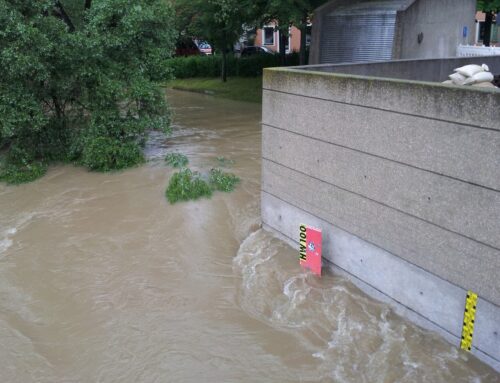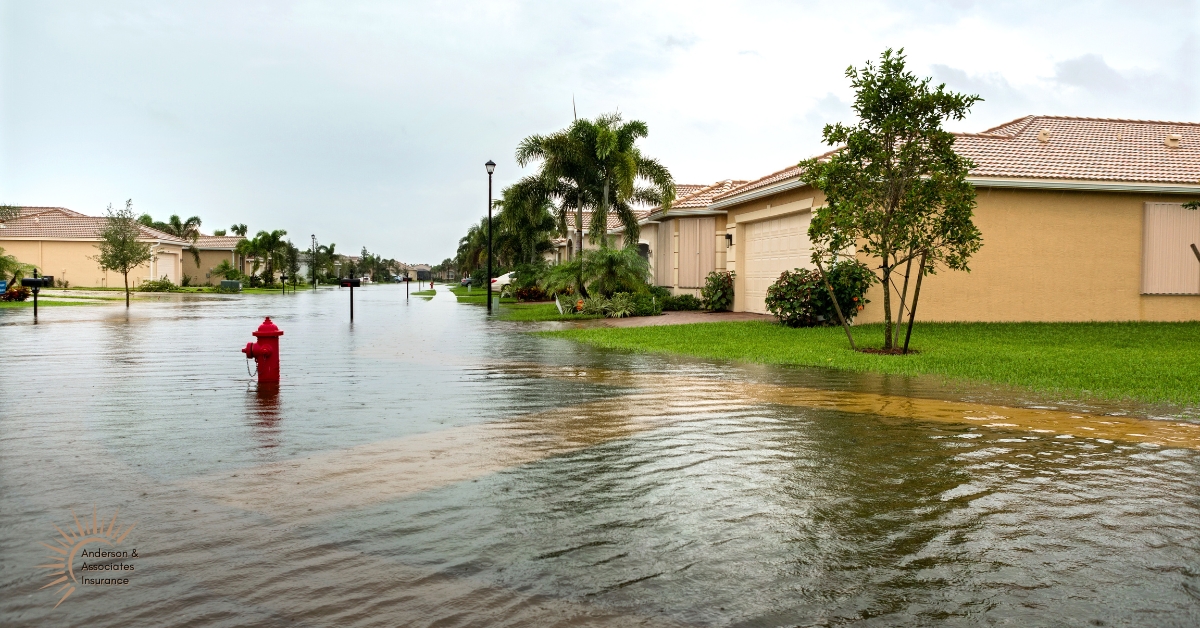
Spring in Florida often arrives with a mix of beautiful blooms and unpredictable weather. Are you prepared for the potential challenges ahead? As refreshing as early spring showers can be, they sometimes bring along an increased risk of flooding, especially in areas like Palmetto. Whether it’s from heavy rainfall or the overflow from near bodies of water, being proactive about flood protection can save you stress and expenses down the road.
Understanding how to shield your home from flood risks begins with knowing your specific vulnerabilities and taking action before the water rises. While insurance can offer a financial safety net, it’s important to also focus on practical steps that minimize your home’s exposure to flood damage. Remember, flooding isn’t covered under typical homeowners insurance policies. Specific flood insurance is necessary, and coverage can differ widely between policies and insurers.
In this article, we’ll walk you through essential tips and considerations to help you stay dry and safeguarded as spring unfolds. With a little forethought, you can enjoy the season’s beauty while keeping your home secure.
Identifying Flood-Prone Areas
Identifying which areas are more susceptible to flooding can significantly reduce spring flood risks for Florida homeowners. Being aware of your home’s flood-prone status is the first step in safeguarding your property. Florida is known for its unique topography and weather patterns, making certain regions more vulnerable to flooding, especially during the spring.
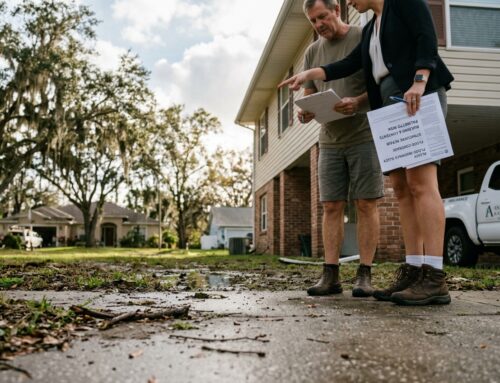
Start by examining the Federal Emergency Management Agency (FEMA) maps. These maps offer detailed insights into flood zones across the state. They’re a valuable resource for identifying if your property falls within a high-risk flood area. Homes located in flood zones are more likely to experience flooding during heavy rainfall, which is common in early spring.
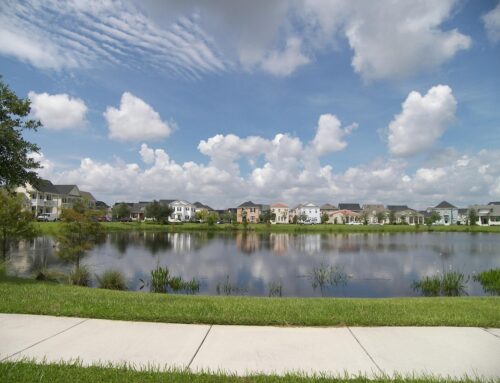
Local factors also contribute to spring flood risks. Palmetto’s proximity to bodies of water, such as the Gulf of Mexico and various canals, increases the potential for flooding. Additionally, low-lying areas and neighborhoods with poor drainage are more susceptible. Checking with local government resources or the county’s floodplain management department can provide detailed maps and studies specific to your neighborhood.
Pay attention to natural indicators around your property. For example, if your yard tends to pool water during minor showers, it’s a sign that the land has poor drainage and could experience significant flooding during more intense storms. Noticing these warning signs early helps you take preventive measures before the spring rains begin.
Being proactive means assessing changes in your immediate environment, too. New construction and development projects can alter water runoff patterns, potentially increasing flood risks in previously safe areas. Staying informed about local urban planning allows you to assess the evolving flood risks that may impact your home.
As soon as you identify your home’s level of risk, consider discussing flood insurance options with your insurance agent. Flood coverage is crucial in Florida, as standard homeowners insurance typically doesn’t cover flood damage. Understanding your property’s risk and acquiring adequate insurance coverage will offer peace of mind as you navigate potential spring flood risks.
By actively identifying these flood-prone areas and understanding your risk, you can better prepare and protect your home from the spring flood dangers that are a natural part of living in Florida.
Implementing Preventive Measures
Florida’s early spring brings its own set of flooding challenges, but taking preventive measures can significantly enhance your home’s protection. With Palmetto and other areas prone to unexpected downpours and rising water levels, it’s wise to ready your home before problems arise.
First, assess your property’s drainage system. Clear gutters and downspouts of debris to ensure proper water flow away from your home. Clogged systems can lead to water pooling around your foundation, increasing flood risk. Consider installing splash blocks or extenders to direct water further from the house, boosting your home protection against water damage.
Proper landscaping can also play a crucial role. Grading the land around your home to slope away from the foundation can prevent water from settling near your walls. Planting native vegetation with deep roots can reduce soil erosion and enhance absorption of excess water, further safeguarding your property.
Seal any cracks or gaps in your foundation and around doors and windows. This reduces the chance of water seeping into your home during heavy rain. Waterproof sealants or caulking can be effective barriers that bolster your overall home protection strategy.
Flood barriers like sandbags or flood gates are another practical measure. These can be set up around doors and other vulnerable entry points when heavy rain or storms are forecasted. For more permanent solutions, consider having a professional install a sump pump in your basement or crawl space. This device can actively remove water that accumulates, reducing flood damage potential.
Lastly, check your home insurance policy. Standard plans often don’t cover flood damage. Incorporating flood insurance provides additional financial protection tailored to these specific risks. Remember, coverage varies by policy and carrier, so it’s essential to review your options carefully.
By implementing these preventive measures, you’ll be enhancing your home protection against the unpredictable nature of Florida’s early spring climate.
Using Insurance for Added Protection
Insurance can play a crucial role in flood prevention strategies for your home. While it’s true that policies vary by carrier and specific terms apply, understanding your options can help you add a layer of protection, particularly in flood-prone areas like Florida.
Flood insurance isn’t automatically included in standard homeowners policies, so you’ll typically need a separate policy provided through the National Flood Insurance Program (NFIP) or private companies. This type of insurance covers damage to your home and belongings caused by floods, which can be especially important in Florida given our susceptibility to intense storms and coastal flooding.
When selecting flood insurance, consider the base flood elevation (BFE) in your area. Insurers use this measurement to assess your property’s risk level—homes at or above the BFE may be eligible for reduced insurance rates. Understanding your property’s elevation and its impact on insurance costs can be a smart step in your flood prevention efforts.
Aside from the structure, flood insurance can also protect your belongings. Think about the value of your home’s contents—furniture, electronics, and personal items. With adequate coverage, you can avoid significant financial setbacks in the aftermath of a flood.
Some policies offer additional coverage options for mitigation purposes, like grants for elevating furnaces or installing flood vents. Taking advantage of these can not only help prevent flood damage but also lead to potential insurance premium discounts.
It’s important to review and update your policies regularly. Florida’s landscape and your neighborhood’s infrastructure might change over time, affecting your flood risk. Engaging with a local insurance agency familiar with Palmetto’s specific needs is wise, as they can help tailor a policy that’s best suited to your home’s unique situation.
Remember, assessing risk and ensuring adequate flood insurance coverage is a proactive step that can spare you from considerable stress and expense when floods occur.
Frequently Asked Questions
FAQ1: What areas of my home are most vulnerable to spring floods?
During early spring, areas of your home most vulnerable to floods typically include basements, ground-floor rooms, and garages. These spaces are especially at risk due to their proximity to the ground. In Florida, properties in low-lying areas or near bodies of water may face increased vulnerability. You should also pay attention to entry points such as doors, windows, and any gaps in the foundation where water could seep in.
FAQ2: Which preventive measures are effective against flooding?
To help protect your home from floods, consider several preventive measures. Begin by ensuring gutters and downspouts are clear of debris so they can direct water away from your home effectively. Landscaping can also play a role; grading the land around your property to slope away from the house can keep excess water at bay. Installing a sump pump in basements and sealing basements and foundations with waterproof coatings are additional steps that can provide extra security. For Florida residents, it’s crucial to ensure that drainage systems are robust, especially since the state is prone to heavy rainfalls.
FAQ3: How can flood insurance protect me during spring floods?
Flood insurance can be a crucial safety net during spring floods. It offers financial protection by covering damage to your home and belongings caused by floodwaters, which standard homeowners insurance typically does not cover. Given Florida’s susceptibility to floods, having a flood insurance policy can give you peace of mind. It’s important to understand that coverage varies based on the policy, so when choosing a plan, ensure you discuss specifics with your insurance agent to understand what’s included and how it applies to your particular situation. Be aware of policy inception dates, as some policies may have a waiting period before coverage takes effect.
Next Steps
Spring’s early days bring a mix of beauty and potential flooding risks to Florida, especially in areas like Palmetto. Being prepared can make a significant difference in safeguarding your home. Identify flood-prone zones, maintain a proper drainage system, and implement preventive steps such as landscaping improvements and reinforcing your home’s foundation. Investing in flood insurance is also essential, as typical homeowners policies do not cover flood damage. With tailored coverage and proactive measures, you can protect not only your home but also your peace of mind as spring rains arrive.