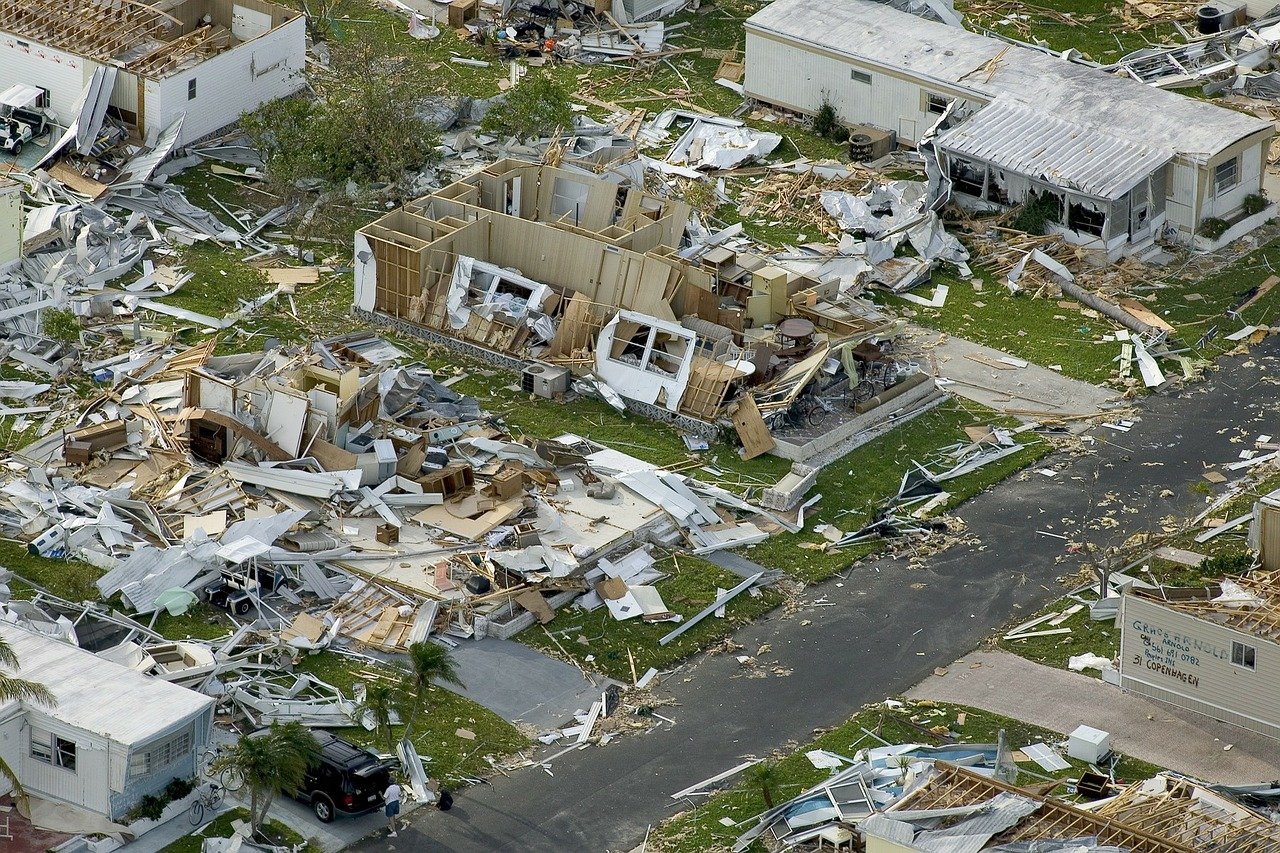
Is your home ready for hurricane season? In Florida, we know how important it is to prepare well ahead of time. Hurricanes aren’t just a possibility; they’re a reality of living in the Sunshine State. But having a solid preparedness plan can make a world of difference in ensuring your family’s safety and the protection of your property.
Start by assessing your current insurance coverage to see what wind damage or flooding events it includes. Remember, coverage details vary by policy and carrier, so it’s crucial to know what you’re covered for. Next, think about creating a checklist that includes securing your home’s exterior, stocking up on emergency supplies, and establishing a clear evacuation route. It’s also smart to have a communication plan in place with family members and neighbors, especially in case phones and internet go down.
Taking these steps not only gives you peace of mind but also ensures that you’re ready to face the challenges that come with Florida’s hurricane season. Having a plan doesn’t take the storm away, but it does help make it manageable.
Understanding Potential Threats
Living in Florida means being familiar with hurricane season. To create an effective hurricane preparedness plan, understanding the potential threats hurricanes bring is crucial. These threats are not just about high winds; they encompass a range of hazards that can significantly impact your safety and property.
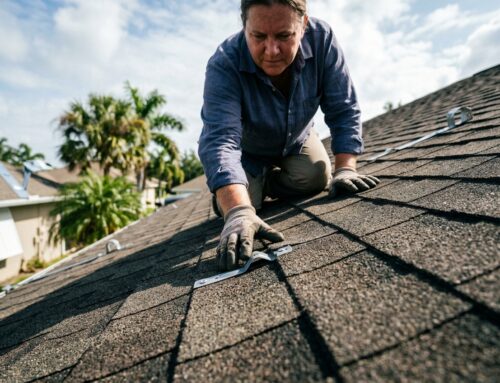
Wind is a primary concern during a hurricane. Strong gusts can damage roofs, windows, and trees, leading to potential hazards both inside and outside your home. It’s important to assess your property and identify areas that might need reinforcement, like older windows or loose shingles. Consider investing in hurricane shutters for added protection.
Flooding is another significant threat. Even if you don’t live directly by the coast, heavy rainfall can lead to dangerous flooding inland. This is particularly relevant in low-lying areas of Florida. Checking your flood zone status and having flood insurance is a wise part of any hurricane preparedness plan, as standard homeowners insurance typically does not cover flood damage.
Storm surges can cause catastrophic damage, especially along coastal areas. This phenomenon occurs when the hurricane’s winds push seawater onto the land, potentially several feet above normal tidal levels. Knowing your evacuation zone is critical, as areas prone to storm surges may be evacuated first.
Power outages are common during and after hurricanes. They can last for days or even weeks, depending on the severity of the storm. Having a plan for backup power, like a generator, and stocking up on non-perishable food and water will help you ride out extended outages.
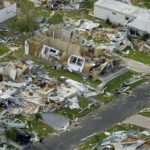
Lastly, consider the aftermath of a hurricane. Downed trees and power lines, damaged infrastructure, and communication outages can all impede recovery efforts. Part of your hurricane preparedness should include building a network of emergency contacts and having a plan for where to go if your home is not habitable post-storm.
Understanding these threats and planning accordingly can make a significant difference in how you and your family weather the storm. By being informed and prepared, you are taking proactive steps to protect your loved ones and your property.
Preparing Your Home and Family
Before the next storm season approaches, it’s essential to ensure that both your home and family are ready for whatever hurricanes may come your way. In Florida, where hurricanes can be a common occurrence, planning ahead is key to family safety. Here are some practical steps you can take to keep your loved ones secure.
Start by assessing your home’s vulnerabilities. Check the condition of your roof, windows, doors, and garage door. Reinforcing these areas can significantly reduce damage during high winds. Consider installing storm shutters or impact-resistant glass, which can help protect windows from flying debris. If you’re tackling home improvements, make sure they’re compliant with local building codes, which are designed with storms in mind.
Securing outdoor items is just as important for family safety. Loose garden furniture, toys, and tools can become dangerous projectiles during a hurricane. Store these items indoors or anchor them securely to prevent any unnecessary risks.
Preparing your family is just as crucial as readying your home. Develop a family emergency plan that includes evacuation routes and a designated meeting point outside the danger zone. Practice this plan regularly so everyone knows what to do and where to go if you need to leave in a hurry. Remember to consider pets in your planning. Identify pet-friendly shelters or hotels well in advance.
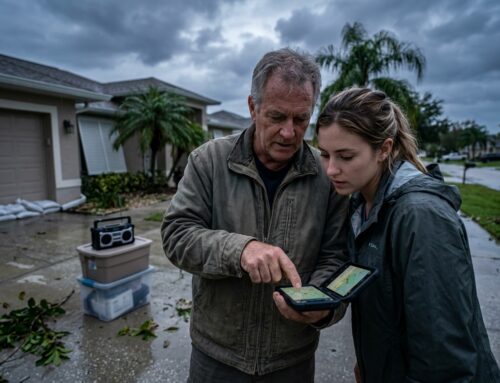
Stock your home with essential hurricane supplies. This should include enough water, non-perishable food, medications, and first-aid supplies to last at least a week. Flashlights, batteries, and a battery-powered radio are also important to keep your family safe if the power goes out. It’s good practice to keep important documents like insurance policies, birth certificates, and IDs in a waterproof container.
Communication is crucial for family safety during hurricanes. Make sure all family members know how to contact each other if separated. Establish a point of contact outside the immediate area, who can help relay information and updates. With these preparations, you can feel more confident about protecting your family and home this hurricane season.
Steps for Effective Evacuation
A well-orchestrated evacuation is a crucial component of emergency planning, especially for Florida residents who may face the threat of hurricanes. Without the stress and confusion of a last-minute scramble, your family can stay safer and more focused. Start by identifying evacuation routes and shelter options in advance. The Florida Division of Emergency Management provides detailed maps of these routes. Make sure everyone in your household is familiar with these routes to ensure a smooth and swift exit when the time arises.
Create an emergency kit that can be easily grabbed and taken with you. This kit should include essentials like water, non-perishable food, medications, important documents, and basic hygiene items. Also, don’t forget to pack items specific to Florida’s needs like insect repellent and sunscreen. It’s important to regularly update your kit, checking expiration dates and adjusting for any changes in your family’s needs.
Communication is another key aspect of emergency planning. Designate an out-of-state contact to act as a liaison for family check-ins. Having an external point of contact can provide peace of mind and help coordinate plans if your family becomes separated. Charge all electronic devices in advance and consider investing in a portable power bank to stay connected during power outages.
Pet owners should include their furry friends in evacuation plans. Not all shelters accept pets, so identify pet-friendly options ahead of time. Be sure to pack their food, any medications, and comfort items to reduce stress during the evacuation.
Additionally, transportation logistics should not be left to the last minute. If you rely on public transit, research the hurricane evacuation bus routes available in your area. Have your vehicle checked for roadworthiness ahead of time and keep your gas tank at least half full during hurricane season to avoid fueling delays.
Thorough emergency planning and preparedness can make an evacuation less chaotic and more manageable. Even the most severe storm can be approached with confidence when you’ve made the right preparations.
FAQ: Create a Hurricane Preparedness Plan That Works
FAQ1: What are the key elements of a hurricane preparedness plan?
A solid hurricane preparedness plan involves several crucial components. Start by identifying safe evacuation routes and establishing a communications strategy to stay connected with family members. Ensure that your home has adequate insurance coverage, making sure it includes wind and possibly flood coverage, given Florida’s unique risks. Secure your property by reinforcing doors and windows, trimming trees, and securing loose outdoor items. It’s also essential to have current emergency contact information readily available and keep important documents in a waterproof container.
FAQ2: How can I keep my family informed and safe during a hurricane?
Keeping your family informed and safe begins with staying updated through reliable sources like local news channels and the National Weather Service. Create a communication plan, including how you’ll stay in touch and where to meet if separated. Sign up for emergency alert systems that provide real-time updates. Discuss these plans with your family regularly so everyone knows what to do. If advised to evacuate, do so promptly and follow local authorities’ instructions closely.
FAQ3: What items should I have in a hurricane emergency kit?
A well-prepared emergency kit is a must. It should include essentials such as water (one gallon per person per day for at least three days), non-perishable food, a manual can opener, and a basic first aid kit. Include a flashlight with extra batteries, a battery-powered or hand-crank radio, and a phone charger. Don’t forget prescription medications, copies of important documents, and a small amount of cash. Consider adding additional items to meet the unique needs of your family, like baby formula or pet supplies, as necessary.
Next Steps
Being well-prepared for hurricane season in Florida is about more than just stocking up on food and water. It involves understanding the distinct threats these storms present and creating a detailed plan to address each one. From securing your home against wind and flood hazards to having a reliable evacuation and communication plan, each step you take contributes to your family’s safety. Coverage checks, emergency supply kits, and knowing your local evacuation routes are critical factors that help you handle what hurricane season may bring. With these strategies in place, you can face Florida’s hurricanes with greater confidence, knowing you’ve done everything possible to protect your loved ones and property.