Is your home ready for the next big storm? Hurricanes are a fact of life in Florida, and while we hope the season passes quietly, it’s crucial to be prepared. Taking proactive steps to secure your home can make all the difference when strong winds and heavy rain are on the way. Preparation isn’t just about peace of mind—it’s about ensuring the safety and protection of your family and property.
Florida’s unique landscape and weather conditions mean that each hurricane season, residents face potential risks like storm surges, flooding, and structural damage. To navigate these challenges, you’ll want to have a solid plan in place. From stocking up on essential supplies to improving your home’s defenses, each action you take can lessen the impact and speed up recovery.
Understanding your home’s vulnerabilities is the first step. Whether it’s reinforcing your roof, safeguarding windows, or securing outdoor items, every measure contributes to a resilient safety plan. As we move into hurricane season, let’s look at practical ways to fortify your home and ensure your family’s safety throughout any storm that comes our way.
Securing Windows and Doors
Securing your windows and doors is a crucial step in hurricane home prep. Strong winds and debris pose significant threats to these vulnerable points, and protecting them can make a big difference in minimizing storm damage.
Start with your windows. Installing impact-resistant windows is the most effective solution. These windows are specifically designed to withstand high winds and flying debris, and they can be a wise investment for Florida homeowners given the regular threat of hurricanes. If impact-resistant windows are not an option, consider storm shutters, which are available in several types like aluminum panels, accordion shutters, and roll-down versions. Each type has its own installation process, so make sure to follow the manufacturer’s guidelines or consult a professional.
For temporary solutions, plywood can be a reliable protector in a pinch. Using 5/8 inch exterior-grade plywood, cut it to fit your window openings snugly. Secure the plywood with screws and bolts, ensuring that there is no exposed edge. Pre-drilling holes can also save you time when a hurricane is imminent. Remember: duct tape is not an effective solution and will not protect your windows from hurricane conditions.
Your doors, especially double doors and sliding glass doors, also need attention during hurricane home prep. Reinforce them with proper hardware like sturdy door locks and deadbolts to reduce the risk of them being blown open. For sliding glass doors, consider using a metal or wooden brace to prevent the door from being lifted out of its track. If your doors have glass panels, these may benefit from the same protection measures as your windows, such as impact-resistant glass or storm shutters.
Securing your windows and doors is not just about installing the right gadgets. Regularly check for any signs of wear and tear or structural weakness and fix these promptly. Little steps taken now can bring significant peace of mind as hurricane season approaches. Always remember that coverage varies by policy and carrier, so checking your insurance policy can help ensure you’re adequately protected against storm damage.
Removing Potential Hazards from Yard
To effectively engage in storm-proofing your home, removing potential hazards from your yard is critical. Florida’s hurricane season can turn everyday items into dangerous projectiles that threaten your property and safety. Start by assessing your yard for loose objects like garden tools, planters, outdoor furniture, and decorations that could become dangerous in high winds.
Firstly, bring inside any items that are small and portable. These include potted plants, wind chimes, and outdoor toys. For larger furniture, like patio tables and chairs, consider storing them in a garage or shed if possible. Secure items that cannot be easily moved by anchoring them to solid structures. Using bungee cords or straps can effectively hold heavier pieces in place, minimizing the risk of them being lifted by gusty winds.
Trees and shrubs can also pose a serious risk during hurricanes. Trim trees and shrubs regularly to remove weak branches that might break off during a storm. Make sure to keep branches at a safe distance from your home and power lines. Hiring a professional arborist can be a wise investment to ensure your trees are in the best shape before a storm hits.
Don’t forget about your gutters and downspouts. Clear them of debris to ensure water can flow freely. Clogged gutters can result in water damage or even structural damage to your home when they overflow during heavy rains.
For homeowners with pool areas, secure pool equipment and cover the pool to keep debris out. If you have fencing around your yard or pool, make sure it is sturdy and free of loose panels or hinges.
While storm-proofing your yard might take some effort, it substantially enhances your home’s resilience during Florida’s hurricane season. Remember, coverage varies by policy and carrier, so check with your insurance provider to understand your policy’s specifics regarding storm-related damages. Taking these steps ahead of time can help to minimize risk, protect your home, and give you peace of mind when a hurricane looms.
Essential Supplies to Stock Up On
When a hurricane threatens your Florida home, thorough preparation is key to property readiness. Stocking up on essential supplies ensures you and your family can weather the storm safely and comfortably. Here’s a comprehensive list of items to have on hand.
Start with water, your most critical supply. Plan for at least one gallon per person per day, aiming for a minimum three-day supply. Don’t forget about pets and any unexpected guests who may seek shelter with you. Water is not only for drinking, but also for basic sanitation needs.
Non-perishable food is next. Canned goods, dried fruits, nuts, and protein bars are excellent choices because they’re easy to store and require no refrigeration. A manual can opener is essential if you rely on canned goods. Consider options like peanut butter or canned tuna for protein. Again, stock enough for everyone in your household for at least three days.
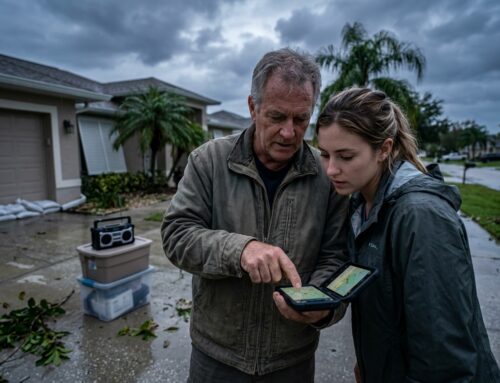
A battery-powered or hand-crank radio can be your lifeline for updates from local officials and emergency services. Storms may disrupt power, so this tool is vital for staying informed. A NOAA Weather Radio, specifically, can provide life-saving alerts.
Backup power sources, such as portable phone chargers or power banks, ensure you can keep your devices charged, maintaining communication with others. It’s important to recharge these devices whenever you have power.
Lighting is another key consideration. Gather flashlights and extra batteries. LED lanterns work well, too, and some are even solar-powered. Avoid using candles, as they pose a fire risk.
Include a first aid kit in your readiness plan. It should contain bandages, antiseptic wipes, and any necessary prescription medications. Remember to include basic pain relievers and any special medications.
Finally, don’t forget personal hygiene products like soap, hand sanitizer, and feminine products. Trash bags can be useful for sanitation purposes, and don’t overlook any special needs your family may have.
Achieving property readiness requires planning ahead and assembling these storm supplies well before a hurricane is forecasted. Being prepared will help protect your family and your home against nature’s fury.
FAQ: How to Prepare Your Home for a Hurricane
FAQ1: What areas of my home should I secure before a hurricane
Ensuring your home is ready for a hurricane in Florida involves securing several key areas. Start with doors and windows, as they are most vulnerable to high winds. Garage doors should also be reinforced, as they can be a potential weak point. Check the roof for loose shingles and secure any outdoor items like patio furniture or garden tools that could become projectiles. Always keep gutters and drains clear to prevent water backup.
FAQ2: Are there cost-effective ways to protect windows and doors?
Absolutely, there are several budget-friendly options to safeguard your windows and doors. Plywood is a popular choice for many homeowners. It’s inexpensive and can be secured over windows for added protection. Another option is storm shutters, which can range in cost but provide excellent protection and can be reused every hurricane season. Reinforcing doors with stronger hinges or adding a deadbolt can also be done without breaking the bank.
FAQ3: Can temporary solutions provide adequate protection during a storm?
Temporary solutions can offer reasonable protection, but they should be chosen carefully based on the intensity of the expected storm. Plywood, for example, is a temporary solution that can effectively shield your windows if installed properly. However, it’s crucial to remember that while temporary solutions can minimize damage, they may not offer the same level of protection as permanent fixtures like impact-resistant windows or professional-grade storm panels. Always evaluate your specific situation to ensure your selected methods are appropriate for the forecasted conditions.
Next Steps
Getting your home prepared for hurricane season in Florida involves a combination of planning, securing, and stocking up on essentials. By reinforcing vulnerable points like windows and doors, removing potential hazards from your yard, and maintaining a supply of necessary items, you improve your ability to withstand the impact of storms. These proactive measures not only safeguard your property but also enhance your family’s safety and comfort as hurricanes approach. Evaluating your preparedness and ensuring your insurance coverage aligns with your needs are crucial steps in facing Florida’s unpredictable hurricane season with confidence.