Repairing mold damage to your home may cost you a fortune. It’s better to plan ahead and take necessary precautions instead of dealing with the consequences. In this article by Markham Services, you’ll learn everything you need to know about keeping that pesky mold out of your home.
Check your AC
Do you have humidity levels steadily reaching over 60%? It’s time to check how your air conditioner (AC) is doing. There are many things that could’ve gone wrong with your AC.
Proper temperature, cleaning coils, and periodic cycles of turning on and off are all important aspects you should always check and ensure. When the condensation drain pipe isn’t dripping on a regular basis, the pipe might be blocked and water has accumulated inside the unit.
Sometimes the water drips to the floor as well. Any serious problems with any type of water problems always require the inspection of an expert focusing on HVAC issues.
There’s another thing that concerns ACs and mold. You should make sure that your unit is properly sized for the house and also for the climate. Having an oversized unit makes cooling the house down quicker. The downside then comes from the inefficient moisture removal from the indoor air. Units that are too small tend to elevate your costs while not doing too much about the temperature and humidity.
Introduce direct sunlight
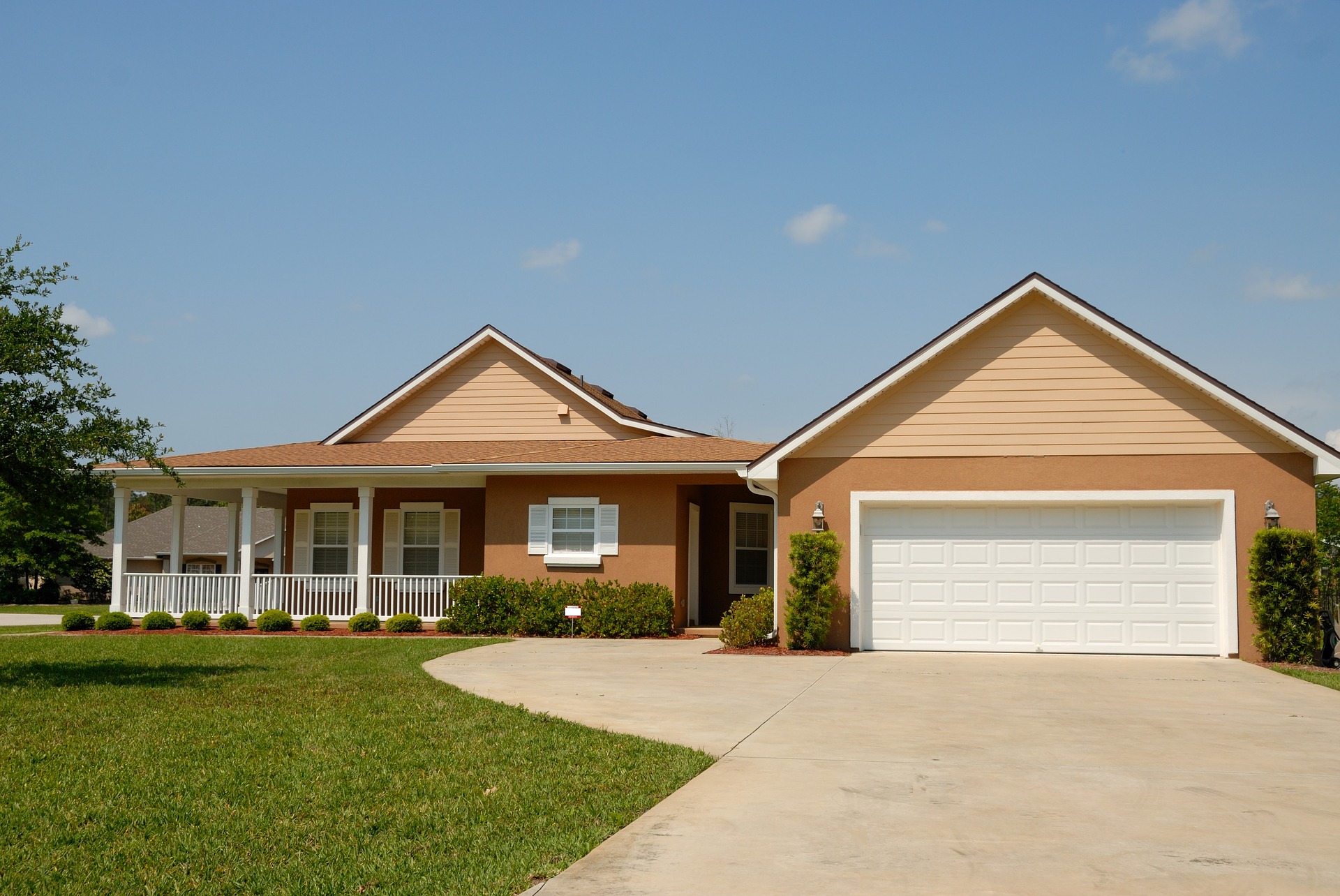
Mold loves damp and dark. Try to allow as much sunlight as possible to reach your house in order to keep it mold-free.
You can trim trees and do some gardening for keeping the foliage from blocking any direct sunlight from reaching the house’s exterior. It’s a well-known fact that houses hidden away behind lots of trees and bushes are an easier target for many species of mold.
Regulate the temperature
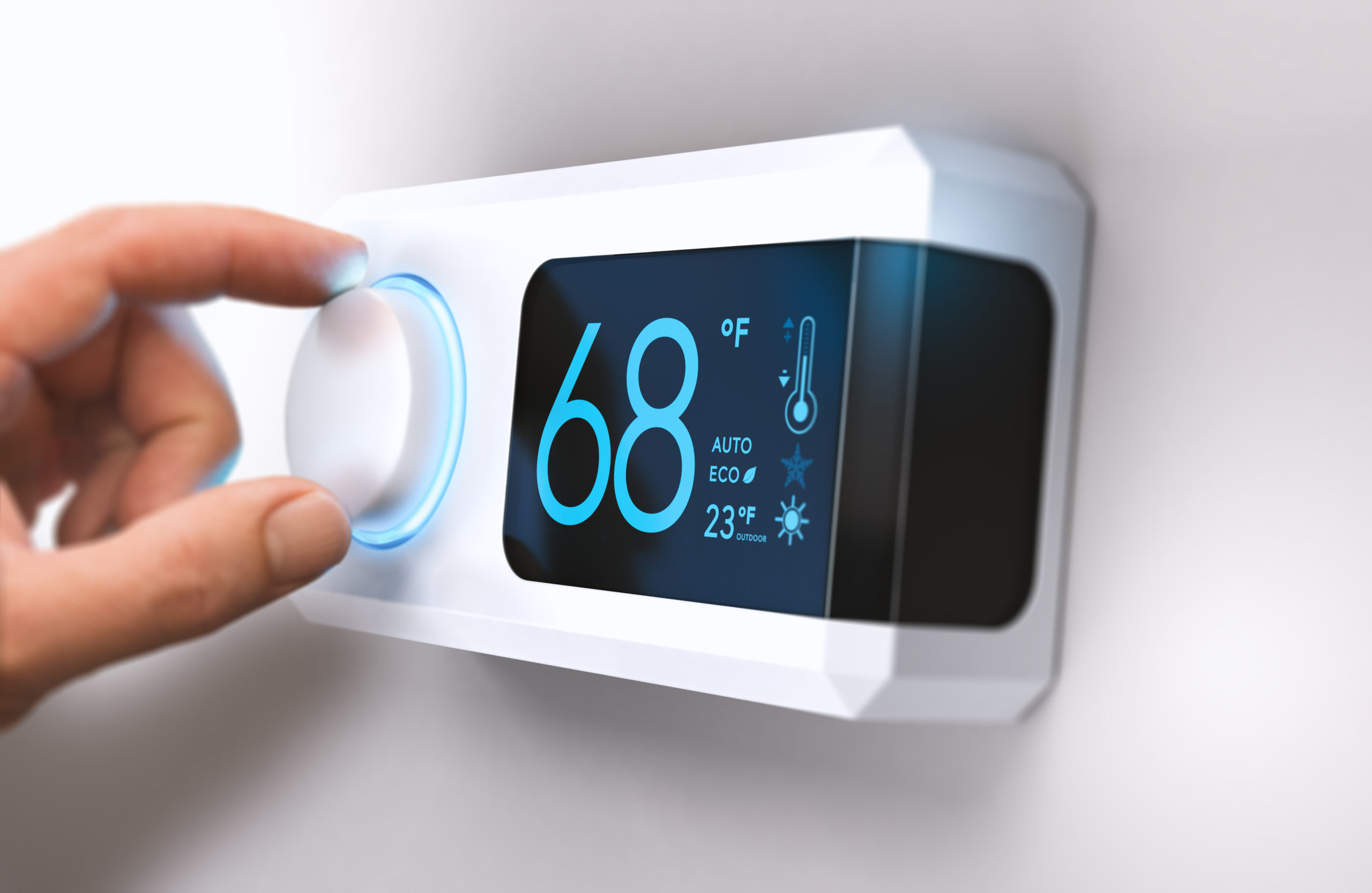
Keeping the perfect indoor temperature is a delicate balancing act. Mold growth is affected by your air conditioner settings primarily because of the link between temperature and moisture.
Setting the thermostat too high keeps the device from dehumidifying the air in an efficient manner. But when you keep the thermostat settings too low, there’s a greater chance of creating cold surfaces that invite vapor condensation. For most homes, 78 degrees F stands for a balanced temperature that keeps the moisture issues at bay.
Repair the leaks
There are many parts of your house that could be leaking. Check your roof, walls, foundation, basement, and plumbing for any leaks. If you find any leaks that have developed over the time or suddenly find a new one, then get them repaired as soon as possible.
All kinds of leaks just raise the humidity levels, resulting in an even favorable environment for different mold strains.
And did you know that sprinklers can pose a threat that equal to any potential leaks? If your sprinklers are hitting the house’s exterior on a regular basis, then it’s time to move them a bit further away.
The constant influx of water creates a very inviting and nicely humid environment for mold species. More sunshine and less water is the way to go when it comes to keeping your house mold-free from the outside.
Track the humidity levels
Mold thrives on excessive moisture. Having a working indoor humidity monitor allows you to keep an eye on the changing moisture levels. Always make sure that your humidity is monitored and regulated.
You’d want to keep the relative humidity anywhere between 35% and 50%. In some regions, it’s almost impossible to keep them under 52% to 55% during the peak summer period. There are many types of mold that start growing when the relative humidity hits levels above 70%. The cheapest monitors can be bought for less than $30.
Use mold-resistant products
This tip goes out for all those doing renovations in their homes. There are mold resistant materials such as drywall and paint products that have been designed to combat any potential mold issues.
Regular drywalls are quite susceptible to mold, yet the paperless one features fiberglass, which makes its surface exceptionally water-resistant. Additionally, you can use mold inhibitors when painting your walls or other surfaces.
How to keep mold out of your home?
Combating mold is a top priority for many homeowners. You should keep the temperature around 78 degrees F and repair any leaks to minimize the risk of developing excessive humidity in your house.
Track the humidity levels and control the temperature. Also, check how your AC is doing after discovering strange readings.
Allow for plenty of direct sunlight to warm up the house’s exterior, and when you plan on doing some renovation, go for the products that have been certified as mold-resistant. These investments and simple tips might save you from mold trouble in the future.