Understanding Boat Insurance Types
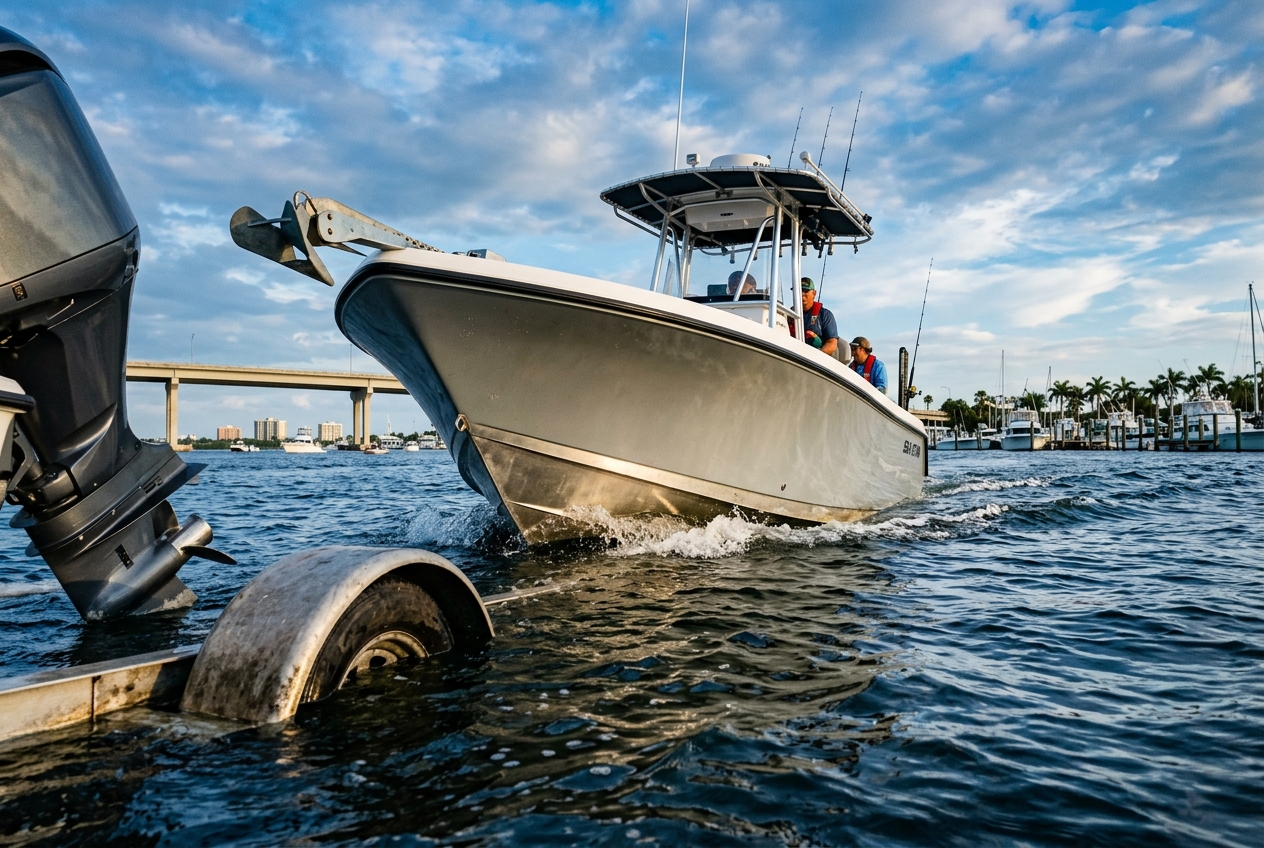
Living in Florida, you’re never too far from the water. Whether you’re cruising Tampa Bay or fishing off the coast, owning a boat opens up a world of recreational possibilities. But before you set sail, have you thought through the boat insurance basics you need to know?
For many, a boat is more than just a pastime. It’s an investment. Protecting that investment is crucial, given Florida’s unique risks like hurricanes, storms, and ever-fluctuating water levels. Even experienced captains face accidents and unexpected events, and boat insurance provides a real safety net.
There’s a lot more to boat insurance than just covering the boat itself. Policies can include liability coverage, protection for your motor, trailer, and even personal belongings on board. Different bodies of water and regional laws may also have specific insurance requirements.
Before you drop anchor on a decision, understanding the basics of boat insurance can help you make an informed choice that meets your needs and protects your time on the water. We’ll walk through the essential aspects, helping you navigate your options and find the best policy for your peace of mind.
Understanding Boat Insurance Types
Boat insurance can be puzzling, but understanding the different types puts you on the right course. For Florida residents who love their time on the water, knowing your options is key to protecting both your vessel and your wallet.
Liability Insurance covers damages your boat might cause to other boats, docks, or individuals. In Florida’s busy waterways, this is often the most critical coverage to carry. It helps pay for accidents where you’re found at fault, including legal fees and damages.
Physical Damage Insurance protects your boat from physical harm, whether due to a collision, fire, theft, or hurricane damage. Florida’s weather can turn fast, making this coverage particularly valuable. It can cover your boat outright or on an agreed value established when the policy begins.
Personal Effects Coverage protects valuables you bring on board, like fishing equipment, clothing, and personal electronics. Think of it as a safety net for the gear you’d hate to lose overboard on a rough day out on Tampa Bay.
Uninsured Boater Coverage works similarly to uninsured motorist coverage for your car. It steps in if someone with insufficient insurance hits you on the water. With so many boaters in Florida, this one’s worth taking seriously.
Medical Payments Coverage covers medical expenses for you and your passengers if someone is injured on your vessel. Accidents can happen on even the calmest days, and having this coverage means one less thing to worry about.
Each type of coverage serves its own purpose, letting you focus on smooth sailing while staying protected. Review all your options with a knowledgeable agent, since coverage varies significantly by policy and provider. You can learn more about boat insurance basics from the Insurance Information Institute.
Factors Affecting Premiums
Several factors influence what you’ll pay for boat insurance, and knowing them can help you make smarter decisions tailored to your situation.
The type of boat you own plays a significant role. Larger, more expensive boats generally carry higher premiums because of their replacement value and the potential for costly repairs. The age of your boat matters too. Newer boats may cost more to insure due to their value, but they often benefit from modern safety features that can bring your rate down.
Where you store your boat is another key factor. In a hurricane-prone state like Florida, boats kept in marinas or on the coast face greater storm exposure, which typically means higher premiums. Store your boat in a secure inland location and you may see lower rates. Permanent home docking solutions can also work in your favor, since insurers often view them as lower risk than transient or unsecured docking spots.
Your cruising area affects costs as well. Navigating local Florida waters will likely come with a different premium than sailing through the Caribbean. Extended ranges increase risk, and that gets reflected in your price.
Your personal boating history matters, too. A clean record with no prior claims helps keep costs down. A history of accidents or claims can push premiums up because insurers see more risk.
Finally, the type of coverage you choose, whether comprehensive or liability-only, directly shapes your premium. Comprehensive coverage offers broader protection but comes at a higher cost. Liability-only coverage is less expensive but won’t cover damage to your own boat.
In Florida, balancing these factors is worth the effort. Tailor your policy to address specific local risks like storms and flooding so you’re adequately covered without overextending your budget.
How to Get the Right Coverage
Getting the right boat insurance starts with understanding what you actually need. Whether you’re sailing Florida’s Gulf Coast or cruising through its many lakes, the right coverage gives you genuine peace of mind on the water.
Start by assessing your situation. Consider the type and value of your boat, how often you use it, and where you store it. Hurricanes are a real concern in Florida, so look into policies that include storm damage protection. If you dock at one of Palmetto’s many marinas, theft and vandalism coverage should also be on your list.
Next, get familiar with your coverage options. Liability coverage protects you if you’re at fault in an accident causing injury or property damage. Uninsured boater coverage steps in if you’re hit by someone without sufficient insurance. Given Florida’s diverse waterways, salvage and wreck removal coverage is worth considering too.
Don’t overlook the finer details. Medical payments coverage handles minor injuries on your boat regardless of fault. Check whether your policy includes equipment coverage for personal items, fishing gear, or devices like GPS units.
Read your policy terms carefully. Understanding exactly what’s included and what’s excluded is essential, as coverage can vary significantly by policy and carrier. Talk through specific concerns with your agent, whether that’s hurricane preparedness or adjustments for seasonal use.
Consider bundling options as well. If you have home or auto insurance, combining policies may simplify things and potentially earn you a discount. Reach out to Anderson & Associates to explore bundling opportunities and find a policy that fits your needs.
With the right coverage in place, you can enjoy Florida’s waters knowing you’re prepared for whatever comes your way.
Frequently Asked Questions
1. What types of boat insurance coverage are available?
Boat insurance can be tailored to your specific watercraft and how you use it. Common types include liability, which covers damage you might cause to others; physical damage, protecting against repairs or replacement if your boat is harmed; and uninsured/underinsured boater coverage for accidents involving an inadequately insured boater. You might also find options like personal effects coverage, towing and assistance, or specialized coverage for fishing gear or navigation systems. Coverage specifics vary by policy and carrier, so reviewing your options thoroughly is always a good idea.
2. How are boat insurance premiums determined?
Several factors come into play. Insurers typically consider the type and value of your boat, its age, where you store it, and how often and where you use it. In Florida, hurricane exposure and flood risk are additional considerations given the state’s weather patterns. Your boating experience and claims history also carry weight. Since each insurance company has its own underwriting criteria, comparing multiple quotes is a smart move.
3. Are there discounts available for safety courses?
Yes, many insurers offer discounts if you complete approved safety courses. These courses show your commitment to safe boating, which reduces the risk of accidents. The Florida Fish and Wildlife Conservation Commission offers a variety of boating safety classes that may qualify for a discount. Check with your insurer about which courses are recognized since completing one can lower your premiums while sharpening your skills on the water.
Next Steps For You
Boat insurance isn’t just another box to check. It’s a smart way to protect your investment and your time on the water. Florida’s conditions can be unpredictable, and a comprehensive policy makes sure you’re covered across nearly any scenario. From liability protection on busy waterways to storm damage coverage, the right policy lets you get out on the water with real confidence. Take stock of your boating habits, review the details with a knowledgeable agent, and you’ll be well-positioned to choose coverage that genuinely works for you and your vessel. Anderson & Associates is here to help you find the right fit — don’t hesitate to get in touch.