Are You Ready When a Hurricane Hits?
In Florida, hurricane season isn’t just a possibility. It’s a yearly reality. Having a solid hurricane response plan can make all the difference for you and your loved ones. From safeguarding your home to building out a real emergency plan, every step you take helps reduce chaos when a storm rolls in. With storm surges, wind damage, and flooding as genuine threats, Floridians have to be ready. Your loved ones, pets, and property are counting on it.
In this blog, we’ll walk you through practical steps to be ready before, during, and after a hurricane strikes. From stocking up on supplies and securing insurance policies to understanding evacuation routes and managing repairs, it’s all here in one place. Getting these preparations in place offers peace of mind and helps protect everything you care about. Here’s how you can safeguard yourself and your home against hurricanes while navigating the unique challenges of the Sunshine State.
Immediate Response Strategy
When a hurricane hits, your immediate response strategy plays a crucial role in ensuring your safety and minimizing damage. Preparation matters, but knowing what to do right after the storm arrives is just as important.
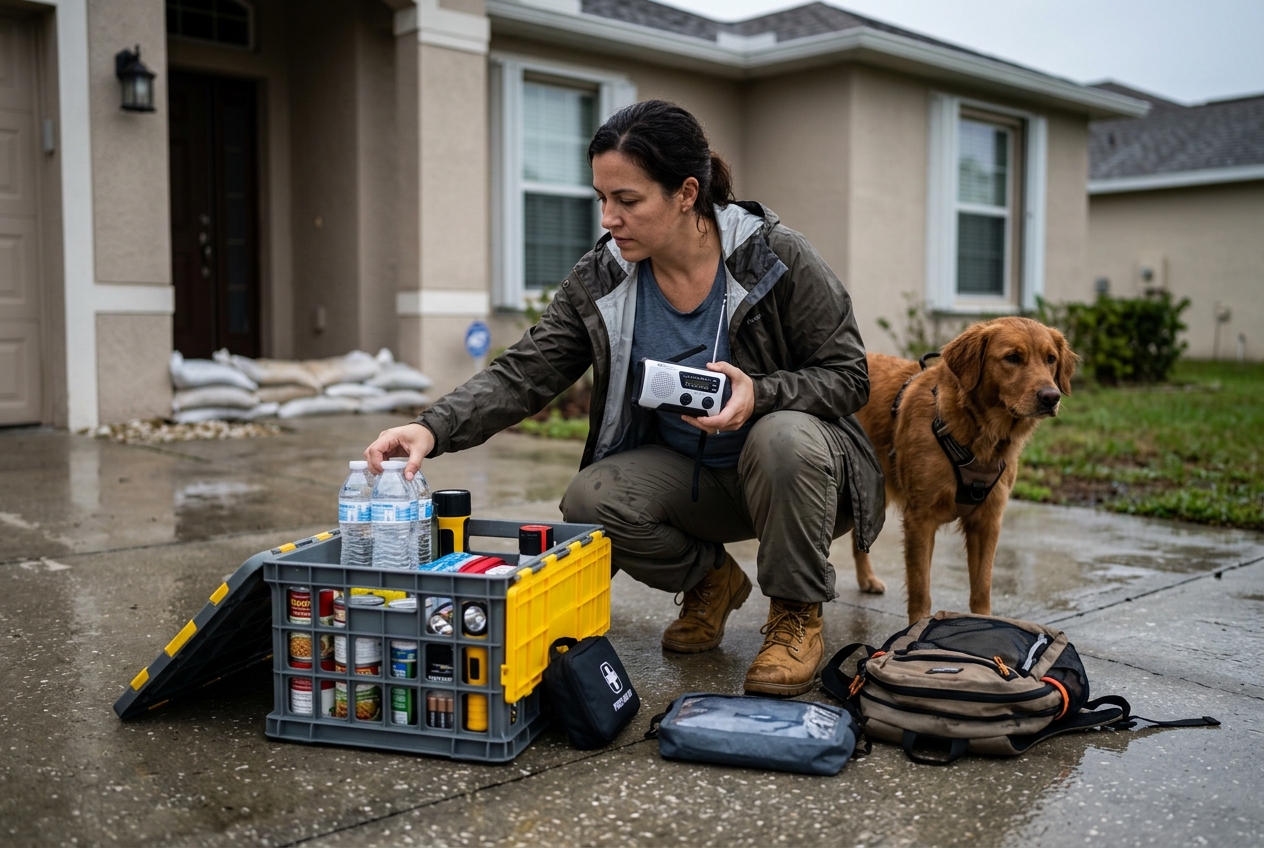
First, prioritize safety above all else. Stay indoors and avoid venturing outside until officials declare it safe. Hurricanes leave behind real hazards, including downed power lines and debris. Keep an emergency kit within reach, packed with essentials like food, water, medication, and a battery-powered radio, so you have what you need even if services go down.
Listen closely to local authorities for updates and instructions. A reliable hurricane response means staying informed, so tune into local news or use official apps from the National Weather Service. Information about weather changes, road closures, and evacuation notices can be lifesaving. If you’ve ever watched a post-storm press conference where officials urge people to stay off the roads, that guidance exists for good reason.
If the power is out, conserve your phone battery by limiting use to essential communications. Skip the candles and use flashlights to reduce fire risk. Report outages or downed power lines to local utilities as soon as it’s safe to do so.
Assessing your immediate surroundings is also necessary. Check your home for structural damage like leaks or cracks, and stay alert for gas leaks or electrical shorts. If you smell gas, get out immediately and contact authorities once you’re safe.
Your hurricane response should also include reaching out to family and neighbors. Use texts or social media to update loved ones on your status, since cellular networks may be overloaded. A quick check-in can ease anxiety and make sure everyone is accounted for.
Each step of your hurricane response should put health and safety first. The aftermath can feel overwhelming, but a clear action plan helps you navigate the impact far more effectively.
Ensuring Family Safety
During a hurricane, your family’s safety comes first. Knowing the right steps to take can make a real difference, and it starts with keeping everyone informed. Keep a battery-powered weather radio handy or use a reliable emergency app on your phone to track the storm’s path and any official advisories.
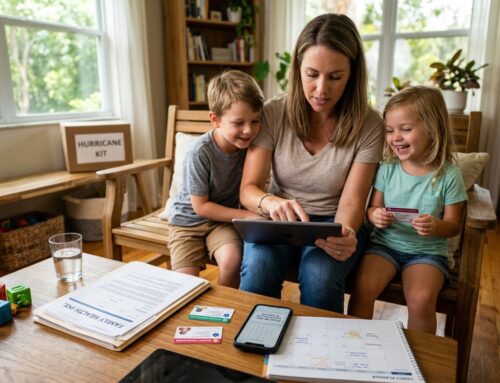
Identify a safe shelter location before the storm arrives. Ideally, that’s an interior room on the lowest floor of your home, away from windows and doors. Stock it with water, non-perishable food, flashlights, and extra batteries. If you need to evacuate to a public shelter, have a grab-and-go emergency kit ready with important documents, medications, and basic first aid supplies. The FEMA hurricane preparedness guide offers a helpful checklist for putting that kit together.
Communication matters before and during the storm. Establish a plan with your family ahead of time. Decide on a meeting place if you’re separated and agree on how you’ll check in with each other. Texts often go through when calls don’t, so lean on those.
Children can become scared and anxious during storms. Explain what’s happening calmly and give them a role, like helping gather supplies. Quiet activities can help keep them occupied and ease their nerves.
If you have pets, build them into your safety plan. Stock enough pet food, water, and medications for several days and keep their carriers or leashes easy to grab. Not all emergency shelters allow pets, so research pet-friendly options in your area before you need them.
Florida’s storm dynamics also mean securing your home is critical. Bring in loose outdoor items and protect windows with shutters if you have them. Most importantly, make sure your family is in a safe location before the storm arrives.
Staying informed, organized, and prepared helps you and your family weather the storm safely.
Communicating with Emergency Services
Effective communication with emergency services is a critical part of hurricane crisis management in Florida. Before anything else, make sure your mobile devices are fully charged ahead of any potential outages. A backup power bank can keep your communication lines open when the grid goes down.
After a hurricane, local emergency services will likely be overwhelmed. Reserve 911 for life-threatening emergencies only. For non-critical issues, contact local agencies directly and consider saving those numbers in your phone now, before you need them. Cities like Palmetto and surrounding areas often have specific hotlines for reporting downed power lines, flooding, or blocked roads. The Florida Division of Emergency Management maintains up-to-date resources, including local contacts and evacuation routes, that are worth bookmarking now.
Text messages tend to be more reliable than calls when cellular networks are congested. Texting requires less bandwidth and often gets through when a call won’t. If you need to reach emergency services, send a short, clear message with your location and a description of the issue.
Social media is also increasingly used by emergency management agencies to share real-time updates. Follow local agencies on Facebook and other platforms for the latest news. They may use those channels to communicate directly with residents, which can be invaluable both for receiving and sharing information.
A battery-powered or hand-crank radio can keep you informed if cellular and internet services go down entirely. Tune into local stations for live updates on weather conditions, relief efforts, and emergency directives.
For residents with hearing impairments, most Florida counties offer emergency text and TTY services. Familiarize yourself with those options well before an emergency, as part of your broader crisis management strategy.
And remember, communicating with emergency services is only part of managing a hurricane. Keeping your family and neighbors informed and connected matters just as much. A communication plan set up in advance ensures everyone knows how to reach out for help and where to find reliable information.
Frequently Asked Questions
FAQ1: What immediate actions should be taken during a hurricane?
The most important thing is to stay safe. Move to an interior room on the lowest floor if you’re in a sturdy building, away from windows. If you’re in a mobile home or temporary structure, relocate to a designated shelter before the storm hits. Keep your emergency supplies close, including a flashlight, batteries, non-perishable food, and water. Monitor local news or a weather app for updates if it’s safe to access devices, and follow instructions from local officials. The American Red Cross hurricane safety guide is a solid resource to review before storm season begins.
FAQ2: How can I ensure communication with emergency services?
Before a hurricane, charge all your devices and consider picking up a portable charger. Keep a hard copy of important phone numbers, including local emergency services, hospitals, and family contacts. During the storm, use texts or social media when possible, since networks can get congested. If your calls won’t go through, text your location and situation to request help. Keep 911 reserved for true emergencies, and understand that response times may be longer during a major storm.
FAQ3: What should I do once the storm has passed?
Stay informed about ongoing hazards like flooding or downed power lines. Avoid driving or walking through flooded areas. Check on family and neighbors, especially those who are elderly or need extra assistance. Report damaged power lines or gas leaks to the appropriate authorities. Document any property damage with photos for insurance claims and start that process as soon as you can. Coverage varies by policy and carrier, so contact your insurance provider for specific guidance.
Next Steps For You
In Florida, hurricanes are an expected part of life. Having a clear and effective preparedness and hurricane response strategy isn’t optional. By putting your family’s safety first, staying informed through reliable channels, and keeping communication open with both loved ones and emergency services, you can reduce the impact these storms have on your life. Make thoughtful preparations before hurricane season, follow a solid action plan during and after the storm, and keep the focus on safety and well-being. That’s how you protect what matters most. If you want to make sure your insurance coverage is where it needs to be before the next storm season, now is the right time to take a closer look.