Are You Ready If Your Family Needs to Evacuate?
In Florida, unpredictable weather, hurricanes, and even wildfires can trigger sudden evacuation orders with little warning. Having a family evacuation plan in place before that happens is what separates a stressful scramble from a confident exit. Whether it’s stocking essential supplies or setting up a communication plan, small steps now make a real difference when time is short.
For Floridians, a well-thought-out evacuation plan isn’t just wise, it’s crucial. More than a checklist, it’s about safeguarding your loved ones in high-pressure situations where every minute counts. Balancing the needs of different family members including children, elderly relatives, or pets adds complexity, but getting it right is what makes for a smooth exit.
Taking time now to get organized can cut through the confusion of an emergency. From packing a go-bag with necessities to knowing your evacuation routes cold, preparation eases the anxiety of an unplanned departure. This guide offers practical tips to help your family act quickly and confidently if the need arises.
Creating an Evacuation Plan
The foundation of any good family evacuation plan is preparation and communication. Living in Florida, where hurricanes and severe storms are a yearly reality, means you want a solid plan in place long before an evacuation order hits.
Start by identifying the specific risks your family might face. In Florida, that usually means preparing for hurricanes and flooding. Understanding your local evacuation zones is essential since those zones determine where and when you’d need to leave. Check the Florida Division of Emergency Management website or your local emergency services for zone details in Palmetto and surrounding areas.
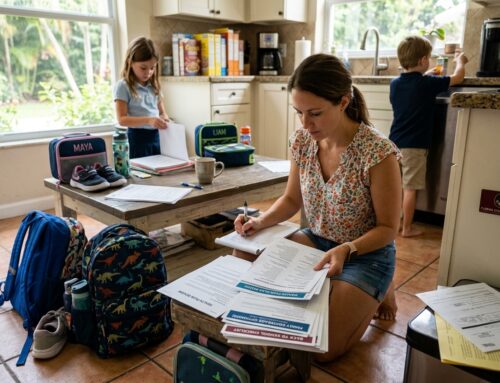
Next, establish clear roles and responsibilities within your family. Decide who grabs what during an evacuation and how you’ll communicate if you get separated. A simple list works well here: one person handles the go-bag, another grabs the pets, another secures the documents. Knowing your job in advance removes hesitation when it matters most.
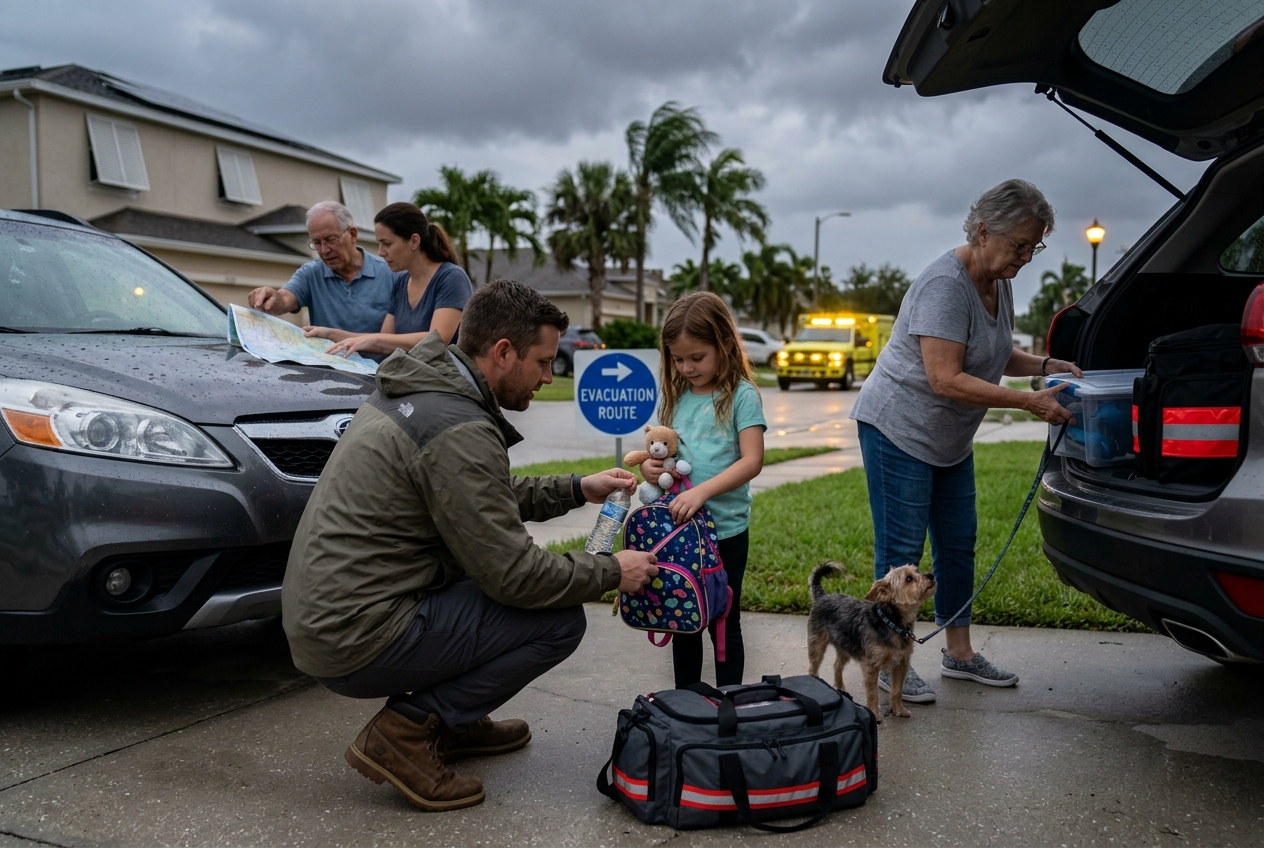
Planning your evacuation route is equally important. Familiarize yourself with at least two different routes to a safe location, accounting for potential road closures or traffic. During a major evacuation, main highways can jam up fast. Having alternatives isn’t just a time-saver; it’s genuine peace of mind.
Communication runs through every part of a solid evacuation plan. Identify a point of contact outside your immediate area who knows your plans and can relay information if local lines go down. Make sure every family member has a way to get in touch, whether that’s a charged mobile phone or a walkie-talkie for short-range use.
Don’t skip the practice. Regular drills help everyone understand their responsibilities and reduce panic when a real evacuation happens. Think of it like a fire drill at school; the more familiar it feels, the calmer everyone stays. Review and update your plan annually, or whenever your family’s circumstances change like new school locations or a job change, to keep everything current.
A well-thought-out family evacuation plan ultimately comes down to one thing: making sure your family can act quickly and efficiently when it counts.
Designating Meeting Points
Designating meeting points is one of the most practical steps you can take for keeping your family connected during an evacuation. Given how fast conditions can shift during a Florida hurricane, having these spots locked in ahead of time removes a lot of guesswork.
Choose two meeting points. The first should be close to home, like a nearby park or school, for situations where you evacuate quickly without traveling far. The second should be outside your neighborhood, perhaps in a nearby town or city, in case local roads become impassable or the immediate area is unsafe.
During an emergency, typical routes may be closed, so think through alternate paths to each meeting point. Use local landmarks and straightforward directions when walking family members through these routes, especially younger kids. A practice run or two goes a long way toward building everyone’s confidence.
Make sure all family members, including children, know the meeting points and understand the plan. Talking about emergencies can feel heavy, but using encouraging language and explaining the reasoning behind the plan helps kids feel prepared rather than scared.
Technology can help here too. Keep everyone’s devices charged when a storm is approaching. Family locator apps are useful for tracking where everyone is, but don’t rely on them entirely since cell service can be spotty during emergencies. Knowing how to read a physical map and follow written directions still matters.
Build these meeting points into your broader emergency discussions. A brief family check-in once or twice a year to review and update the plan keeps everyone on the same page. Adjust the locations if you move, your kids change schools, or local conditions shift.
Sorting out these details now removes a significant layer of stress if an evacuation ever becomes necessary in Palmetto or beyond.
Packing for an Evacuation
When a hurricane is bearing down on Palmetto or another emergency forces you out of your home fast, your evacuation kit is what keeps your family comfortable, healthy, and informed. Packing it in advance means you’re not making decisions under pressure.
Start with health essentials. Pack a first aid kit with bandages, antiseptic wipes, and all prescribed medications. Keep several days’ worth of medication on hand since pharmacies may not be accessible. The American Red Cross recommends these basics to help you handle minor injuries and keep up with health needs while you’re away.
Pack a change of clothes and sturdy footwear for everyone. Lightweight, durable fabrics suit Florida’s humidity well. Tuck in rain gear too. If roads are flooded or the sky opens up, you’ll be glad you have raincoats and waterproof shoes.
Documentation matters more than most people realize until they need it. Secure important papers like IDs, insurance policies, and medical records in waterproof bags. Save digital copies on a USB drive or in cloud storage as a backup. This step alone can speed up recovery significantly after an emergency passes.
Aim for at least a three-day supply of food and water per person. Non-perishable snacks and canned goods work well, and don’t forget a manual can opener. For infants, pack formula and baby food. Bottled water is non-negotiable.
Entertainment and comfort items deserve a spot in the kit too. Books, small toys, or a tablet can keep children occupied during what might be a long and uncertain wait. A favorite blanket or stuffed animal provides more emotional comfort than you might expect.
Finally, pack for your pets. Include enough food, water, and medications to last several days. Keep leashes and carriers where you can reach them quickly. Your pets are family members, and their needs belong in your plan.
Putting this kit together before a storm is named takes the pressure off entirely. When the evacuation order comes, you grab and go.
Frequently Asked Questions
What is the best way to plan a family evacuation route?
Start by identifying multiple routes from your home to designated shelters or safe areas. Familiarize yourself with local evacuation routes provided by Florida emergency management agencies. Practice these routes with your family so everyone is comfortable with the directions. Keep a physical map in your evacuation kit in case GPS is unavailable, and always have a backup route ready for road closures or heavy traffic.
How can I ensure my family stays calm during an evacuation?
Preparation is the biggest factor. Walk through your evacuation plan with your family well in advance so no one is surprised by what’s expected of them. Assign specific roles to each person to give them a sense of purpose and control. For children, explain the process simply and let them help with tasks like packing their own bag. Mindfulness techniques like deep breathing can also help manage anxiety in the moment.
What essentials should be packed for a short-notice evacuation?
Prepare a go-bag for each family member with important documents, medications, a flashlight, and a first aid kit. Add non-perishable snacks, bottled water, a change of clothes, and personal hygiene items. For families with infants, include diapers and baby formula. If you have pets, pack their food, leashes, and medications. A battery-operated radio can be invaluable for staying informed during power outages. Tailor each bag to individual needs, but keep these core items ready to grab at a moment’s notice.
Next Steps
Being prepared for an emergency evacuation in Palmetto comes down to thoughtful planning and regular practice. By building a detailed family evacuation plan that includes specific roles, designated meeting points, and mapped-out routes, you give your family the ability to respond quickly and safely when it matters most. Pack a well-stocked kit tailored to everyone’s needs, your kids, elderly relatives, and pets included. Review and update the plan regularly so it stays current and stress-free to execute. Clear communication and defined roles are what turn a scary situation into a manageable one.
For added peace of mind, make sure your home insurance coverage is up to date before storm season arrives. If you have questions about your policy or want to review your options, contact the team at Anderson Insurance Group. We’re here to help you protect what matters most.