For many homeowners in Florida, flood insurance feels optional—something to consider only if you live in a clearly designated floodplain. But as recent storms have proven, flooding doesn’t respect maps or property lines. Even homes outside of high-risk zones can face significant water damage from heavy rainfall, storm surge, or overflowing drainage systems.
So, should Floridians who live outside of FEMA’s official flood zones still get flood insurance? Let’s look at the pros and cons to help you make an informed decision.
The Case for Getting Flood Insurance
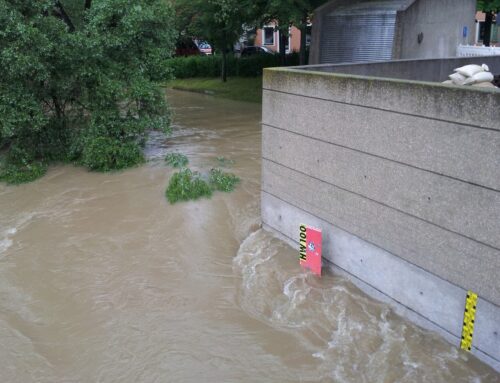
Flooding Can Happen Anywhere: Nearly one in four flood insurance claims come from properties outside of designated high-risk areas. Florida’s flat terrain, high water tables, and intense rainfall make flooding possible almost anywhere in the state. Even a few inches of water inside your home can cause tens of thousands of dollars in damage to flooring, drywall, and electrical systems. Localized flooding from stalled thunderstorms or hurricanes that dump heavy rain—like Irma, Ian, Helene, and Milton—can overwhelm drainage systems in minutes. Having coverage means you’re not relying solely on savings or disaster aid to rebuild.
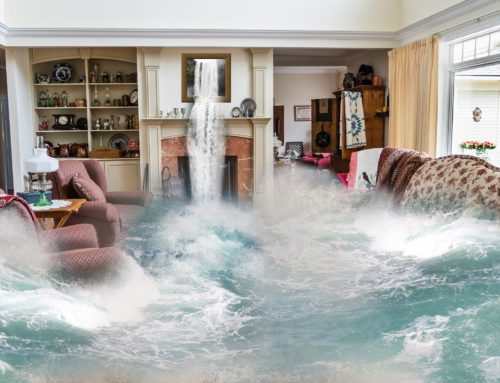
Standard Homeowners Insurance Doesn’t Cover Flood Damage: Many homeowners are surprised to learn that a standard homeowner’s policy does not cover flooding. That means if water enters your home from the ground up—through doors, walls, or foundation cracks—it’s not covered unless you have a separate flood policy. Flood insurance through the National Flood Insurance Program (NFIP) or private carriers fills that critical gap, providing financial protection when water intrusion isn’t covered elsewhere.
Peace of Mind During Storm Season: Florida’s hurricane season runs from June through November, and even a glancing blow from a storm can bring flash floods or storm surge. Knowing you’re insured gives you confidence to weather the storm—literally and financially. Flood insurance also makes property ownership more predictable. Instead of facing a potential five- or six-figure loss, you’ll have a defined deductible and coverage limits.
Affordable Options for Low-Risk Areas: One of the biggest misconceptions about flood insurance is that it’s expensive. While premiums can be high in coastal or high-risk areas, homes outside flood zones often qualify for significantly lower rates. In some cases, policies cost less than $500 a year—less than many people pay for monthly streaming services.
The Case Against Getting Flood Insurance
Added Cost to Your Annual Budget: For homeowners watching expenses closely, adding another insurance premium can feel unnecessary—especially if you’ve never experienced flooding. While policies in lower-risk zones are cheaper, they still add to your yearly costs.
Limited Coverage Caps: NFIP policies cap building coverage at $250,000 and contents coverage at $100,000. Homeowners with higher-value properties may need supplemental private flood insurance to be fully protected, which increases cost.
Perceived Low Risk: If your home sits on elevated ground or has excellent drainage, you may feel comfortable taking the chance without flood coverage. Some homeowners prefer to self-insure, setting aside emergency funds for potential repairs.
Finding the Balance for Your Coverage
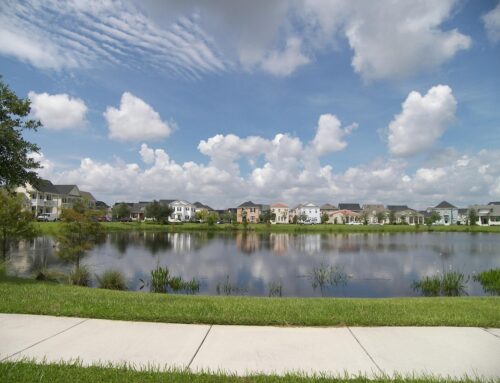
Ultimately, the decision to purchase flood insurance comes down to your risk tolerance and financial situation. Even if you live outside a mapped flood zone, areas once considered “safe” are now experiencing flooding from record rainfall and aging stormwater systems.
If your home is in Florida, you’re already in a state where flooding is part of the natural landscape. For many homeowners, the relatively small annual premium is worth the peace of mind and financial protection.
Anderson Insurance Can Help You Decide
You don’t have to live on the water to be at risk—and you don’t have to wait for disaster to find out what’s covered. Flood insurance can be one of the most valuable additions to your homeowners protection plan, even in so-called “low-risk” areas.
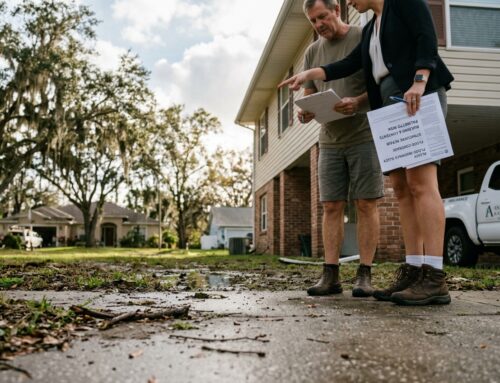
When setting your budget for the coming year, take the time to speak with an insurance professional who understands Florida’s unique flood risks. A personalized quote can help you see how affordable peace of mind really is. Because in Florida, it’s not a question of if it will rain—it’s how ready you’ll be when it does.
Anderson & Associates Insurance Group has been helping Manatee County, Florida homeowners to get the coverage they need for decades.
Disclaimer:
The information provided in this article is for general educational and informational purposes only. Coverage options, terms, and pricing can vary by insurer, property type, and location. Always consult with a licensed insurance professional to discuss your individual situation and specific coverage needs.