Identifying Seasonal Risks
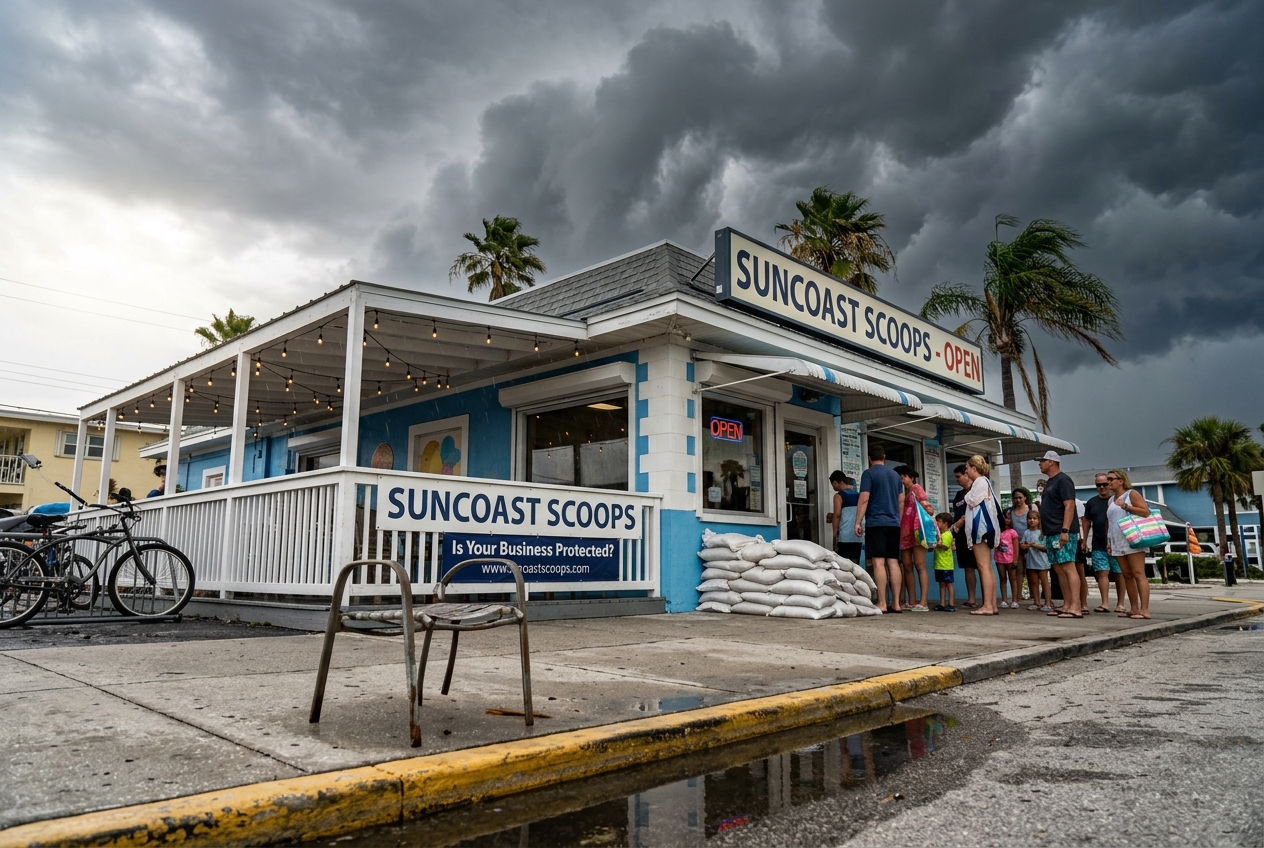
Summer in Florida is no joke for business owners. The heat, unpredictable weather, and influx of tourists create a perfect storm of challenges. Hurricane season alone, running June through November, can test even the most prepared operation. From increased foot traffic that might lead to accidents, to storm damage affecting your commercial property, the risks add up fast.
Business protection should be front of mind before the season hits. Beyond nature, summer often means events, promotions, and heightened activity, which can increase liability. Make sure your commercial insurance is as ready for summer as you are. Evaluate your current policy to ensure it covers the specific risks associated with the season. From property and liability insurance to safeguarding against flood and wind damage, there are multiple facets to consider when securing your business.
While no one can prevent the unexpected, having a robust insurance plan helps you stay resilient against whatever summer brings. Take the time now to review your coverage and address any gaps before the busiest season hits. You can focus more on serving your customers and less on worrying about the what-ifs.
Identifying Seasonal Risks
Summer in Florida brings its own set of challenges for business owners. Identifying seasonal risks is the first step toward effective business protection. The summer months often mean increased activity for both businesses and the natural environment, which can affect operations and safety.
One major concern is the heightened risk of hurricanes. These powerful storms can disrupt business operations and cause significant damage to property. Ensuring that your business is covered for wind damage and flooding is crucial. Assessing your current insurance policy with a professional can help identify any gaps in coverage specific to summer threats.
Another seasonal risk is the increased potential for power outages. Extreme heat often leads to high electricity demand, putting a strain on power grids. A restaurant with a walk-in freezer full of inventory, for example, could face thousands in losses from a single outage. Consider investing in backup generators to ensure your business can continue operating even when power is lost, and check whether your business insurance covers lost revenue due to power outages.
With summer also comes a rise in tourism. While it presents an opportunity for increased business, it also means greater liability risks. More customers can lead to a higher chance of accidents on your premises. Review your commercial liability insurance to make sure it adequately covers any incidents that might occur during this busy season.
Heatwaves are another risk that can affect both employees and equipment. High temperatures can lead to heat-related illnesses, impacting your workforce. To protect your employees, ensure you have policies in place that address working conditions during extreme heat. Overheating can also damage sensitive equipment, leading to costly repairs or replacements. Confirm that your insurance policy provides protection for such eventualities.
By identifying and preparing for these seasonal risks, you can strengthen your overall business protection strategy. Discuss any concerns with your insurance provider to tailor a plan that suits your specific needs during the summer months.
Ensuring Comprehensive Coverage
Florida businesses face some unique challenges due to the state’s climate and environment. Ensuring comprehensive coverage can help protect your business from the unexpected. Here are some key areas to consider:
Hurricane Preparedness: Hurricane season stretches from June 1 to November 30. These storms can bring high winds and heavy rainfall, posing significant threats to property and operations. Commercial property insurance typically covers damage from wind, but confirm that your policy explicitly includes it. Also consider business interruption insurance to cover income losses if a hurricane forces you to close temporarily.
Flood Insurance: Standard commercial property insurance doesn’t usually cover flood damage, which is a real concern during the rainy summer months. Evaluate your flood risk, particularly if you’re in a coastal or low-lying area like Palmetto, and explore a separate flood insurance policy through the National Flood Insurance Program or a private carrier.
Liability Coverage: Summer often brings an increase in foot traffic, raising the potential for accidents on your premises. General liability insurance can help protect your business if a customer or visitor is injured and files a claim. In areas prone to storms, ensure your policy addresses specific summer risks such as falling debris or slip hazards from water.
Heat-Related Concerns: Florida’s intense summer heat can affect employees, especially those working outdoors or in non-air-conditioned environments. Workers’ compensation insurance will be crucial if an employee suffers from heat-related illness. You’ll also want to review your coverage around equipment that could fail or be damaged due to high temperatures.
Coverage varies by policy and carrier, so carefully review your current policies with an insurance professional. Taking the time to adjust your coverage now can head off unforeseen summer risks and give you peace of mind throughout the season.
Implementing Risk Management
To address summer risks effectively, business owners should consider a robust risk management strategy that includes comprehensive insurance coverage. Florida summer brings its own set of challenges, from hurricanes to high temperatures that can affect operations and safety.
Start by identifying potential risks specific to your business and location. Evaluate how hurricanes might impact your operations, from structural damage to business interruption. Make sure your commercial property insurance covers hurricane-related damages, and take the time to actually read your policy rather than assuming what’s included. The Florida Division of Emergency Management also offers helpful guidance tailored specifically for business owners preparing for seasonal threats.
Once you’ve identified the risks, look into different types of insurance coverage. Business liability insurance can be a safety net in case of lawsuits or claims. For businesses using vehicles, commercial auto insurance can protect against damages or losses due to accidents. Discuss all possible risks with your insurance agent to tailor the right policies for your needs.
Beyond insurance, proactive measures can further reduce risk. Develop an emergency response plan that outlines procedures during extreme weather events and train employees on those procedures so everyone knows their role. Simple actions like securing outdoor furniture or backing up data regularly can go a long way in minimizing threats.
Maintain regular communication with your insurance provider as well. This ensures your current policy reflects any changes in your business operations or assets. As Florida experiences varied seasonal risks, you may need to adjust your coverage accordingly.
Risk management is an ongoing process, not a one-time checklist. Regularly assess your strategies and policies to ensure they remain effective. With the right coverage and proactive measures in place, you can protect your business from the uncertainties summer brings and keep your operations stable no matter what the season throws at you.
Frequently Asked Questions
What seasonal risks should businesses prepare for?
In Florida, summer brings a variety of risks that can impact your business. The intense heat can lead to equipment failures or damage, especially if your business relies on machinery or refrigeration. Hurricanes and tropical storms are also prominent risks during the summer months, posing threats such as wind damage, flooding, and power outages. Businesses located near the coast need to prepare for storm surges as well. The increased chance of wildfires should not be overlooked, particularly if your business is near wooded areas.
How can I safeguard my business against these risks?
Start with a thorough risk assessment to identify vulnerable areas. Implement a preparedness plan that includes regular maintenance checks on equipment, securing outdoor items that could become projectiles during high winds, and ensuring your building is up to code for storm resilience. Develop a communication plan to keep staff informed and establish an emergency response plan tailored to your business needs. Regularly back up important data and documents, and consider investing in a backup power supply to keep operations running smoothly during outages.
What insurance options are available for summer-related incidents?
There are several options worth exploring. Business interruption insurance can be crucial if a natural disaster causes you to halt operations temporarily. Commercial property insurance typically covers damage from storms like hurricanes, although flood coverage may need to be purchased as a separate policy. Consider an umbrella insurance policy for an added layer of protection that goes beyond the limits of your standard coverage. Always review your policy details carefully, since coverage varies by policy and carrier, to ensure your business is adequately protected.
Next Steps For You
Navigating summer in Florida requires a proactive approach. This time of year combines increased activity and unpredictable weather, making a thorough review of your risk management strategies and insurance coverage essential. From protection against hurricanes and floods to addressing higher liability exposure due to increased foot traffic, there’s real planning involved. Evaluating your insurance policies with an eye toward specific summer risks can help close any gaps and offer better protection. Prepare now, and your business will be ready to serve your customers no matter what the season throws your way.