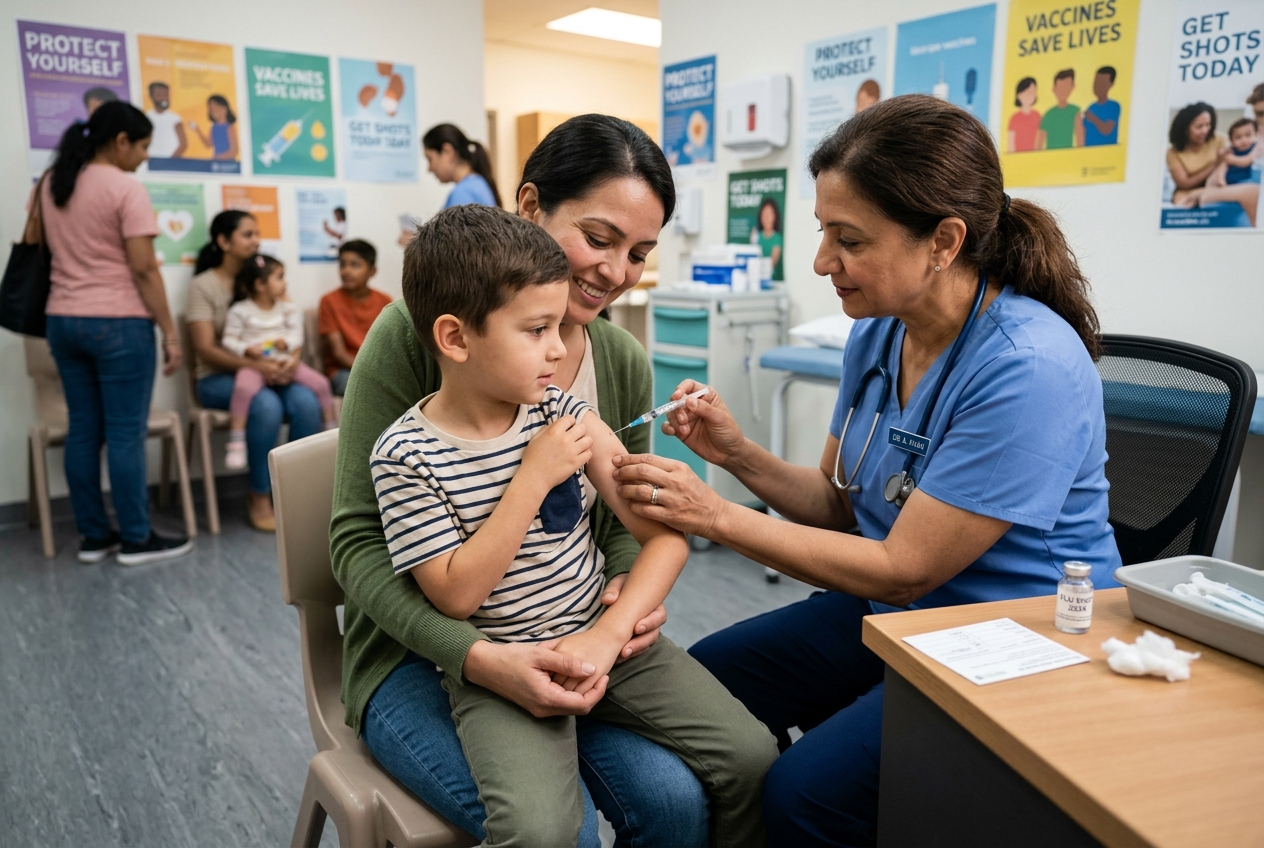
Vaccines save lives — and the immunization benefits reach far beyond keeping yourself out of the doctor’s office. Preventive care shields us from diseases that once devastated entire communities, and it reduces the healthcare costs that burden all of us. Vaccines have eradicated or controlled illnesses that used to kill thousands every year. Regular check-ups, screenings, and a healthy lifestyle round out a solid defense against health threats that are largely preventable. Understanding the role of immunization and preventive measures protects not just you, but everyone around you.
Key Immunizations Required
Immunization benefits extend far beyond individual protection, playing a crucial role in community health. Key immunizations for children and adults are foundational in preventing the spread of infectious diseases. For infants and young children, vaccines such as MMR (measles, mumps, rubella), DTaP (diphtheria, tetanus, pertussis), and polio are essential. These protect against diseases that once caused significant morbidity and mortality.
As children grow, additional vaccines like HPV (human papillomavirus) and meningococcal become important to prevent certain cancers and meningitis. Adults shouldn’t overlook immunizations either. The annual flu shot and the Tdap booster every 10 years are recommended to maintain immunity against influenza and pertussis.
Elderly individuals benefit significantly from pneumococcal and shingles vaccines, reducing the risk of pneumonia and shingles outbreaks. Immunization benefits are amplified when coverage is widespread, contributing to herd immunity and protecting those who can’t receive vaccines due to medical reasons. Think of it like a neighborhood fire brigade: the more people who participate, the safer everyone is, including those who can’t hold a hose.
The COVID-19 pandemic drove this point home. The rapid development and deployment of COVID-19 vaccines were pivotal in reducing severe cases and hospitalizations worldwide.
Immunization benefits also include real cost savings by preventing disease-related healthcare expenses. Vaccines are a cost-effective public health strategy that reduces the burden on healthcare systems and keeps populations healthier overall. Staying up to date on vaccinations is vital for preventing the resurgence of diseases we’ve worked hard to control.
Adhering to recommended immunization schedules is a critical part of preventive care, safeguarding individual and community health against a wide range of infectious diseases.
Accessing Preventive Services
Most insurance plans cover preventive services at no cost to you, including screenings and vaccines. Check your plan details to understand what’s available. If you’re unsure where to start, your primary care provider can walk you through which services apply to your age, health history, and risk factors. You can also review what preventive services are typically covered under most health plans.
Healthcare Monitoring Tips
Staying current with your health means more than just getting vaccinated. Schedule routine check-ups even when you feel fine. Many conditions, including high blood pressure and early-stage cancers, show no obvious symptoms until they’ve progressed. Catching them early makes treatment far more effective and less costly.
Track your vaccination history and flag any gaps with your doctor. Keep a record of screenings you’ve had and when the next ones are due. Small habits like these reduce your risk substantially over time. If you have questions about what your coverage includes, reach out to Anderson Insurance Group for guidance.
Frequently Asked Questions
What immunizations are crucial for children and adults?
Children should receive vaccines like MMR, DTaP, and po