Homeowners’ Insurance: 5 Things You Need to Know
Understanding how homeowners' insurance works in Florida is essential to protecting your property and finances. Here are the top five things you need to know.



Understanding how homeowners' insurance works in Florida is essential to protecting your property and finances. Here are the top five things you need to know.

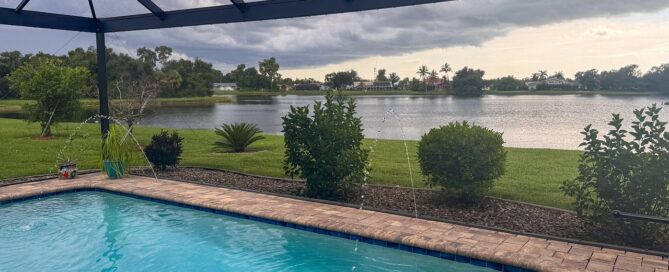
Under Florida law, pools and trampolines are known as “attractive nuisances”, and they can expose homeowners to liability if a child is injured while trespassing.

One of the most effective ways to safeguard your home during hurricane season is by installing hurricane shutters.

Conducting an annual home inventory is vital for Florida homeowners, particularly when maintaining proper insurance coverage and ensuring smooth claims processing after a loss.
Between hurricanes, flooding, and vacancy risks, your second home in Florida deserves a well-tailored insurance strategy.
One of the most common sources of confusion for property owners in Florida is the difference between water damage and flood damage.

What qualifies as high-risk exposure in a homeowners insurance context — and why should Florida homeowners pay special attention?

If you are thinking of remodeling your kitchen or adding a pool, you may be wondering just how these renovations will affect your homeowner's insurance policy.
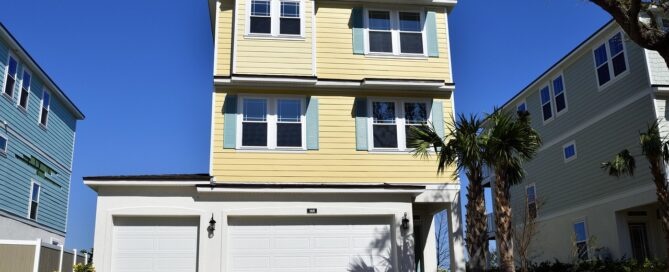
Exploring the insurer exits, new market entrants, and broader trends that have shaped Florida's homeowners insurance market in the last year.
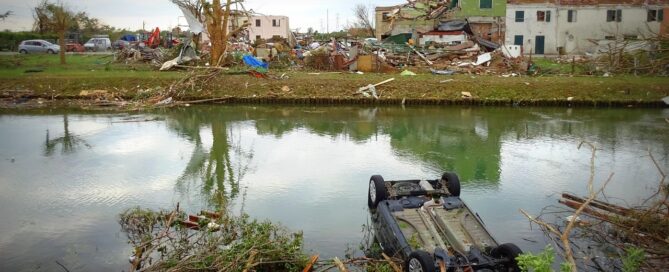
There are likely to be significant insurance impacts associated with Helene and Milton- what can Florida residents expect in their premiums?