Homeowners in Florida often enjoy features like swimming pools, trampolines, or playsets in their yards. But while these amenities add fun and value to the home, they can also create legal and financial risks. Under Florida law, these are known as “attractive nuisances”, and they can expose homeowners to liability if a child is injured while trespassing. The big question is: Does homeowner’s insurance in Florida cover attractive nuisances?
The short answer is yes, usually. However, coverage and protection depend on the specific situation, the policy terms, and whether reasonable steps have been taken to mitigate the hazard.
What are Attractive Nuisances?
An attractive nuisance is a legal concept referring to a dangerous condition or object on someone’s property that is likely to attract children who don’t understand the risks. Even if the child is trespassing, Florida law may hold the property owner liable if:
- The hazardous condition is likely to attract children
- The child is too young to understand the danger
- The risk is significant
- The homeowner failed to take reasonable steps to prevent access.
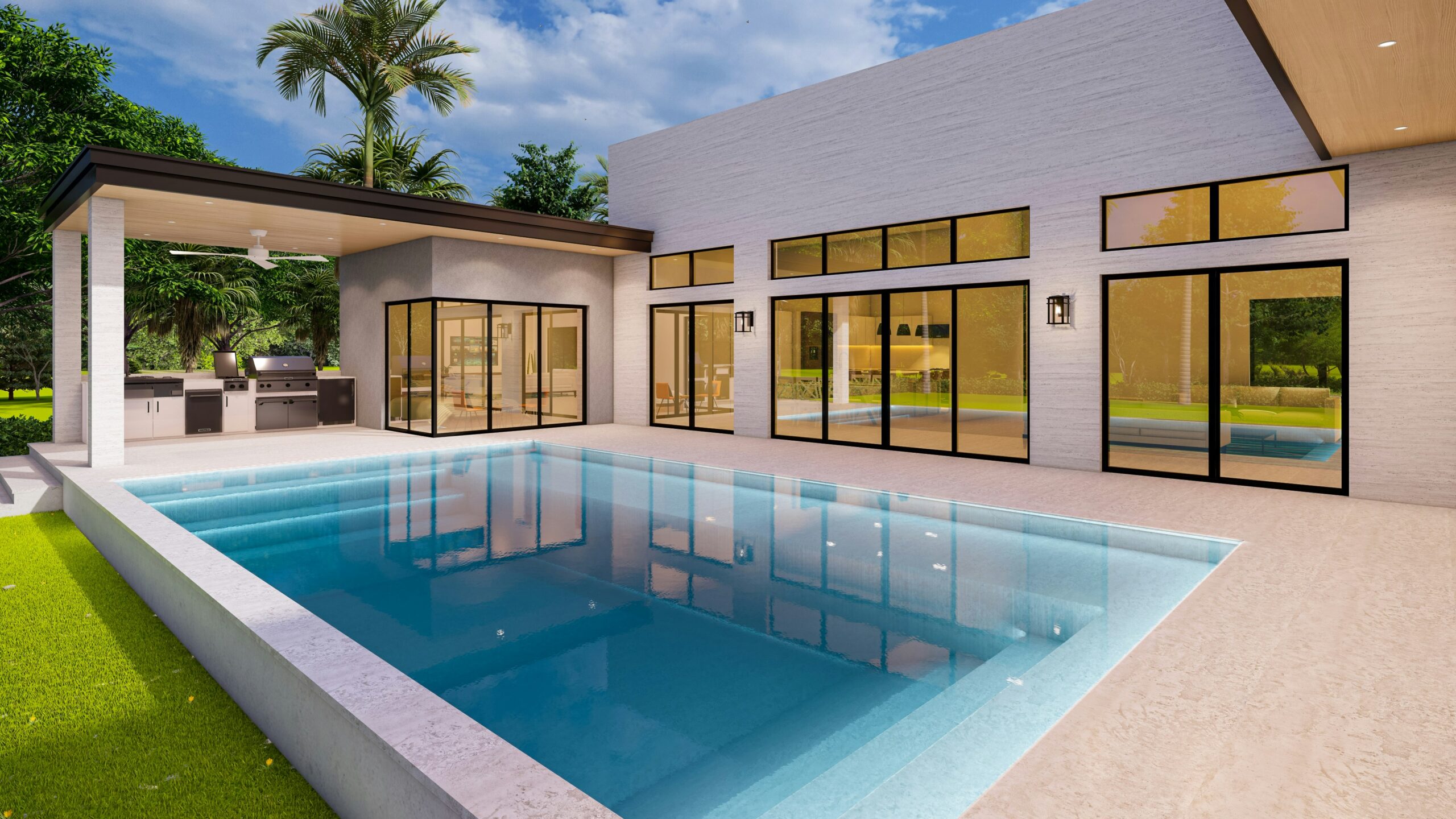
Common examples of attractive nuisances in Florida include swimming pools, trampolines, abandoned vehicles, unsecured construction materials or equipment, treehouses, or open wells or ponds.
How Homeowner’s Insurance Comes Into Play
Most standard homeowner’s insurance policies include personal liability coverage that can help protect you if someone is injured on your property—including children drawn in by attractive nuisances.
If a child is injured while trespassing because of these attractive nuisances, your policy may:
- Cover medical expenses
- Cover legal fees if you’re sued
- Pay damages awarded by a court or through a settlement
However, coverage isn’t unlimited. Insurers expect homeowners to exercise a reasonable duty of care. That means you must secure or eliminate known hazards, especially those that pose a risk to children.
What Can Affect Your Coverage Protection?
Failure to Take Precautions: Insurance companies may deny or reduce coverage if you didn’t take steps to minimize the risk. Necessary precautions may include installing a fence around a pool, leaving construction materials or power tools in the open or allowing children to play unsupervised on a trampoline.
Policy Exclusions or Limits: Some policies specifically exclude coverage for certain high-risk items unless you’ve added them as a rider or endorsement. Common exclusions include trampolines, diving boards, treehouses and home playground equipment. If you own one of these features, you may need to notify your insurer and purchase extra coverage.
Negligence or Intentional Acts: Your policy is unlikely to cover injuries resulting from gross negligence or intentional harm. For instance, if you knew a dangerous condition existed and did nothing to correct it, or worse, created a trap or hazard, your insurer might refuse to pay.
Best Practices for Homeowners Regarding Attractive Nuisances
To reduce risk and maintain coverage, Florida homeowners should:
- Install fencing and gates around pools (as required by state law)
- Use pool covers or alarms
- Secure trampolines with enclosures and lock them when not in use
- Keep tools and hazardous materials locked away
- Supervise children while using outdoor equipment
Expert Tip: If one of these attractive nuisances are on your property, check your policy for exclusions and talk to your agent about additional coverage to protect you.
Anderson and Associates Insurance Group Can Help
While homeowner’s insurance typically covers injuries related to these features, coverage depends on your actions as a homeowner and the specifics of your policy. Call Anderson & Associates Insurance Group today to update your homeowners policy or to ask any questions you may have. We will provide the guidance you need to ensure you are protected from any unforeseen events.