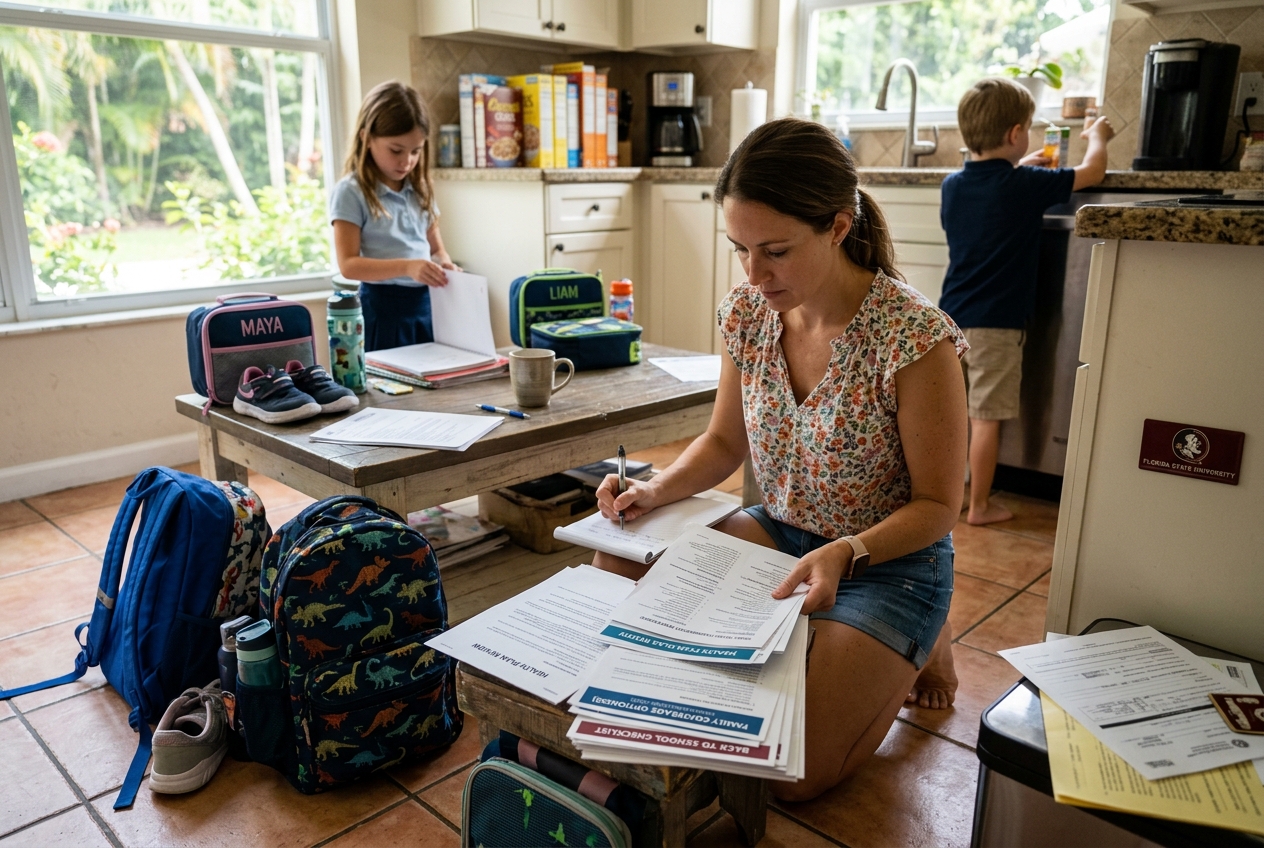
Is Your Family Health Plan Ready for Back to School?
Is your family health plan ready for the upcoming school year? As back-to-school preparations swing into gear, now is a good time to make sure your coverage actually fits your family’s needs. From routine check-ups to those unexpected trips to the doctor, having a solid plan in place can do a lot for your peace of mind.
Florida families face unique challenges when it comes to health coverage. Think about how seasonal risks like flu season and extracurricular injuries could affect your healthcare needs throughout the year. Reviewing your family health plan now helps you avoid unwelcome surprises later.
Coverage varies by policy and provider, so take a moment to dig into the specifics. Check whether your plan covers specialist visits or referrals your kids might need during the school year. Understanding co-pays and potential out-of-pocket expenses before things get busy is a lot easier than figuring it out mid-semester.
A little planning today can go a long way in keeping your children healthy and safe as they head into a new school year.
Assessing Family Needs
When evaluating family health plans, start by taking stock of what your family actually needs. Look at your current healthcare requirements and think ahead to what might change once the school year starts. Consider each family member’s medical history. Do your kids need annual checkups, vaccinations, or regular treatment for a chronic condition? Pinning down these needs early helps you figure out which plan benefits really matter.
Children’s needs can shift quickly from one year to the next. A teenager playing varsity soccer faces a very different set of healthcare risks than a kindergartner cycling through every cold that goes around the classroom. Both situations call for good coverage, just in different ways. Checking whether your family health plan holds up for both is worth the time.
Consider your budget, too. Think about how much you’re comfortable spending on premiums, copays, and deductibles. Family health plans can vary significantly in cost depending on the coverage they offer, and finding the right balance between financial constraints and necessary benefits takes some thought. Getting clear on this before the school year starts helps you avoid sticker shock later.
In Florida, the local climate adds another layer to think about. Warm weather can bring seasonal allergies and skin conditions that require ongoing medication, so double-check whether those treatments are covered under your plan.
Mental health coverage deserves a look as well. A new school year can raise stress levels for both kids and parents, and having access to therapy or counseling can make a real difference. The National Institute of Mental Health offers helpful resources for families navigating mental health support. Confirm that your plan allows for adequate mental health care, including therapy sessions if your family needs them.
Working through all of these factors puts you in a much better position to choose a plan that supports your whole family well into the school year and beyond.
Evaluating Available Plans
As part of your back-to-school prep, it’s worth taking a close look at the family health plan options available to you. Start by reviewing the types of plans offered in Florida, including HMOs, PPOs, and EPOs. Each works differently, and those differences matter when you’re planning around children’s healthcare needs.
With an HMO (Health Maintenance Organization), you’ll typically choose a primary care physician and need referrals to see specialists. That structure can help keep costs manageable, though it does require a bit more coordination on your end. If your kids have ongoing health concerns or you expect frequent doctor visits, an HMO can actually work well for keeping care organized.
PPOs (Preferred Provider Organizations) give you more flexibility in choosing providers and specialists, with no referrals required. That can be a real advantage if your children are active in school sports or clubs and might need quick access to specific medical services. The tradeoff is that PPOs tend to come with higher premiums and out-of-pocket costs.
EPOs (Exclusive Provider Organizations) sit somewhere in the middle. You can see any in-network provider without a referral, but out-of-network care generally isn’t covered except in emergencies. For families who want flexibility without the full cost of a PPO, an EPO can be a reasonable middle ground.
Beyond plan type, pay close attention to copayments, deductibles, and out-of-pocket maximums. These details shape what you’ll actually spend over the course of a school year. Also look carefully at whether the plan covers services your family is likely to use, including mental health support, which tends to become more relevant during high-stress stretches of the academic calendar.
Coverage details can vary quite a bit by policy and carrier, so reading the fine print closely is the best way to make sure your family is genuinely prepared for whatever the school year brings, whether you’re in Palmetto or anywhere else in Florida. If you’re unsure where to start, HealthCare.gov is a useful resource for exploring your enrollment options.
Choosing Comprehensive Coverage
Selecting the right family health plan means doing a real coverage review, not just a quick skim. Comprehensive coverage goes beyond routine check-ups and common illnesses to protect your family from unexpected, high-cost health events. In Florida, that matters more than most places, given the range of health concerns tied to our climate and environment.
A strong plan typically blends preventive care, emergency services, and specialist access. When reviewing your options, check that the plan covers immunizations, annual physicals, and age-appropriate screenings. The American Academy of Pediatrics provides excellent guidance on well-child visits and vaccination schedules that can help you know what to expect. These are especially relevant for kids heading back into classrooms and shared spaces. Also take a close look at the plan’s provider network and confirm that your preferred doctors and local facilities in Palmetto are included, since going out-of-network can add up fast.
Prescription drug coverage is another area worth scrutinizing. Many plans use formularies that determine which medications are covered, so verify that any regular prescriptions your family relies on are included. With flu season overlapping with the school year, you’ll want to know you can get necessary medications quickly when you need them.
Florida families should also pay attention to how a plan handles specialist referrals. Between asthma, allergies, and the general wear and tear of an active school year, the need for a specialist can come up more often than you’d expect. A plan that makes the referral process straightforward saves you both time and frustration.
Finally, look carefully at urgent care and emergency coverage. Florida families need to be ready for the unexpected, whether that’s a hurricane-related injury or a sudden illness on a Tuesday afternoon. A solid policy will spell out what’s covered for emergency room visits and urgent care, along with any applicable copayments.
Keeping all of these factors in mind during your coverage review puts your family in a genuinely strong position heading into the school year. Families in Florida may also want to explore the Florida Children’s Health Insurance Program (CHIP) as an additional resource for coverage options.
Frequently Asked Questions
How can I assess if my current health plan fits my family’s needs?
Start by reviewing what your plan actually covers. Think through your family’s regular health needs, including doctor visits, prescriptions, and any ongoing treatments. Confirm that your preferred providers are in-network, since out-of-network care can get expensive quickly. Review your deductibles, copayments, and premiums to make sure they still fit your budget. If you’re expecting significant changes, like adding a new family member, factor those in. Looking back at how well the plan has served you over the past year is often the most honest way to judge whether it’s still working.
What should I look for in new health coverage options?
Look for plans that cover the full range of services your family is likely to need, including preventive care, emergency services, and specialist visits. Check that the provider network is accessible and convenient for where you live. Get clear on the cost structure, including premiums, out-of-pocket limits, and coverage caps. Also consider whether the plan is flexible enough to accommodate life changes. Given Florida’s specific risks, including potential hurricane-related injuries, make sure emergency and urgent care coverage is solid before you commit.
When is the best time to change health insurance plans?
Open enrollment is generally your best window for switching plans, since you can make changes without needing a qualifying reason. Outside of that period, certain life events such as a change in family size or employment can open up a special enrollment window. Keep an eye on deadlines so you don’t miss your chance. Aligning a plan change with the start of the school year can also make sense, since that’s often when your family’s routines and healthcare needs are easiest to predict.
Next Steps For You
Thinking carefully about your family health plan before the school year starts can make a real difference when it counts. Getting clear on your coverage needs, understanding how different plans fit your budget, and accounting for Florida’s unique environment and your kids’ activities puts you in a strong position heading into the fall. Review the specifics of any plan you’re considering, and don’t hesitate to reach out to the team at Anderson Insurance Group to talk through your options. Taking these steps now means fewer surprises later and a healthier, less stressful school year for your whole family. Learn more about everything Anderson Insurance Group has to offer your family today.