Insurance fraud isn’t just a legal issue—it’s a community problem. At Anderson & Associates Insurance Group, we take pride in helping Florida homeowners protect what matters most. But when fraud enters the picture, it affects everyone: insurers, honest policyholders, and entire neighborhoods.
In recent years, Florida has seen a sharp rise in fraudulent homeowners’ insurance claims. These schemes may seem like “small lies” to some, but they carry major consequences—including rising premiums, denied coverage, and even criminal charges. Here are the most common types of homeowners’ insurance fraud in Florida, and why getting involved is a risk no homeowner should take.
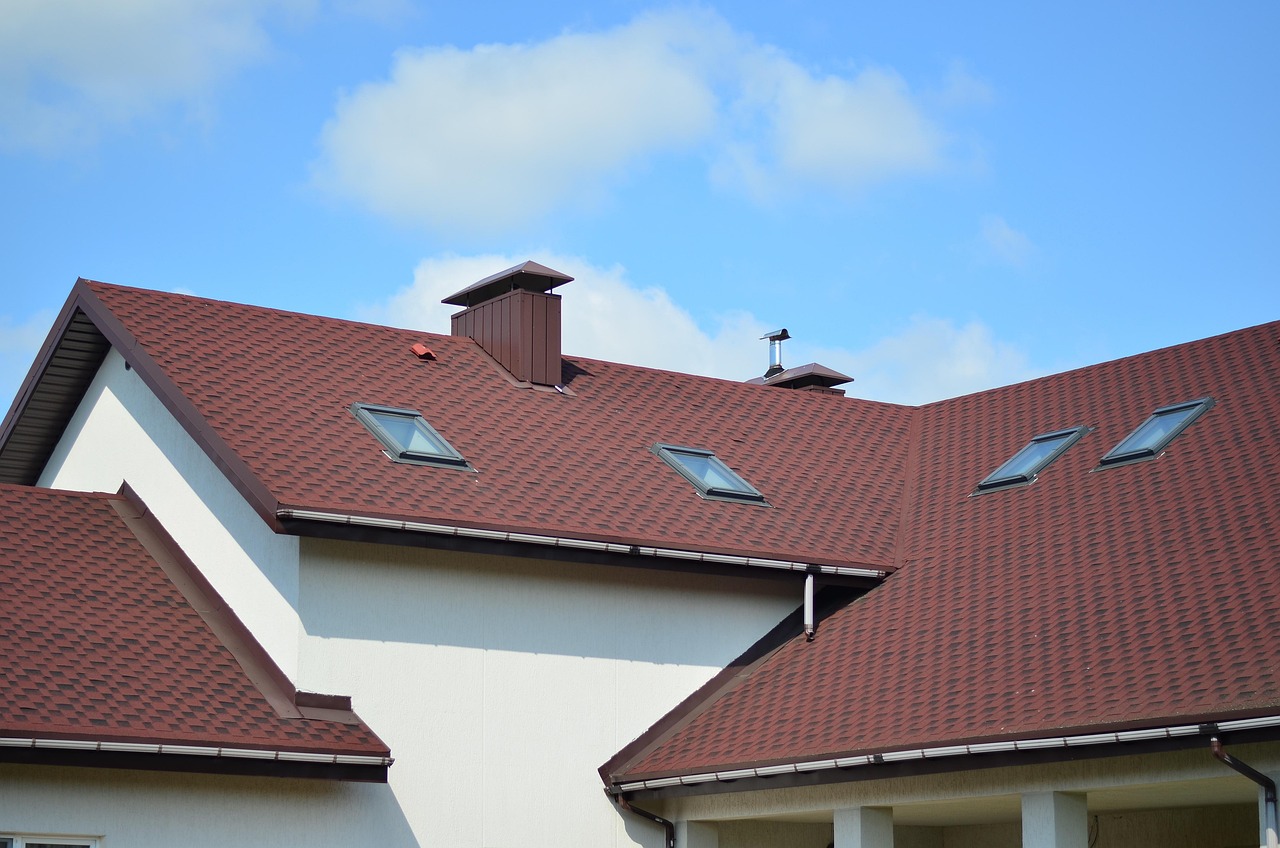
- Roofing Scams and Inflated Storm Claims: One of the most frequent schemes we see involves roofing contractors soliciting door-to-door after a storm. A contractor offers a “free roof inspection,” claims damage even if none exists, and asks you to sign an Assignment of Benefits (AOB) form—transferring your rights to them. They then submit an inflated claim or charge for repairs that were never completed. In some cases, no work is done at all. YOUR RISK: Signing an AOB can remove you from the decision-making process. Worse, if the claim turns out to be fraudulent, your name is still on the policy—meaning you could be legally liable.
- Fake or Exaggerated Water Damage Claims: Water damage from burst pipes or A/C leaks is common in Florida. But unfortunately, so are exaggerated or staged water damage claims. Warning signs include:
- Contractors encouraging you to “pad” the claim
- Reporting damages long after the actual incident
- Inflated repair estimates that don’t match the real damage
- Arson or Fake Fire Losses: Some fraudsters intentionally set small fires or falsely claim valuable items were lost in a blaze. Others use existing damage from a previous incident to support a new claim. This is not only insurance fraud, but potentially arson, which carries severe criminal penalties in Florida.
- False Theft or Vandalism Claims: Falsely reporting stolen property—especially electronics, jewelry, or luxury goods—is another common scheme. Fraudsters may stage break-ins or submit fake receipts and documentation. It may seem harmless, but remember: fraud investigators verify everything, including your purchase history and police reports.
- Staged Vandalism or Self-Inflicted Damage: In some cases, homeowners damage their own property—like breaking windows or appliances—to file a claim. These incidents often unravel quickly once insurance investigators review evidence or obtain surveillance footage.
The Real Costs of Insurance Fraud: Insurance fraud doesn’t just affect the company that pays the claim. It drives up everyone’s premiums, slows down claims processing, and creates mistrust across the board. Florida already faces an insurance crisis due to weather volatility. Fraud makes it worse by increasing insurer losses and making companies more reluctant to offer affordable coverage.
What Homeowners Should Know
- Avoid signing AOBs without fully understanding them
- Work only with licensed, reputable contractors
- Report suspicious activity to the Florida Department of Financial Services
- Always document damage truthfully and accurately
Honesty Protects Everyone from Insurance Fraud
Filing a fraudulent claim is a dangerous shortcut to take. You risk losing your coverage, facing legal action, and increasing costs for everyone else.
At Anderson & Associates Insurance Group, our job is to help you stay protected. If you need help understanding your homeowners policy, or if you’re unsure about a claim, contact our professional team. We’re here to guide you—honestly, ethically, and always with your best interests in mind.
Disclaimer:
The information provided in this blog is for general informational purposes only and should not be considered legal, financial, or insurance advice. Anderson & Associates Insurance Group is not a law firm and does not offer legal representation. Every insurance policy and claim situation is unique, and readers are encouraged to consult with a licensed insurance professional or legal advisor regarding their specific circumstances. Use of this blog does not create any client, advisory, or agent relationship with Anderson & Associates Insurance Group.