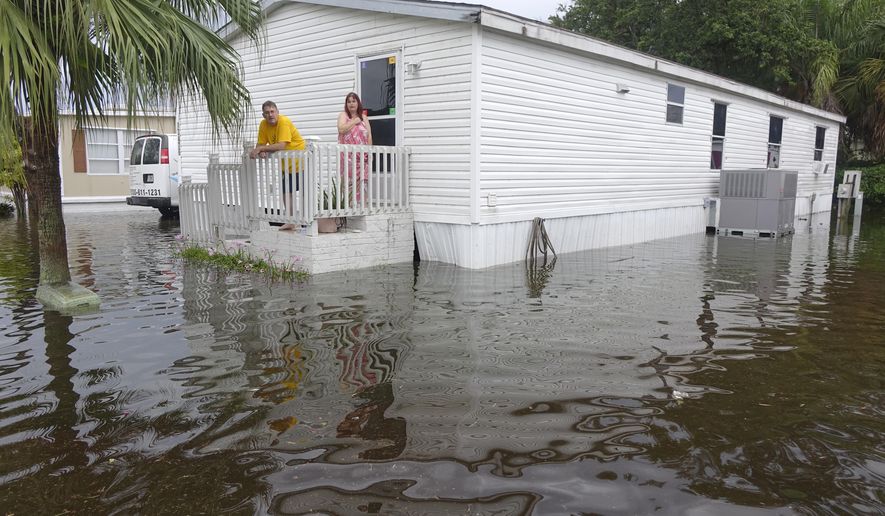
If your home flooded during last year’s hurricanes, you’re probably wondering what that means for your flood insurance rates moving forward. In Florida, where hurricanes and heavy rains are part of life, flood insurance is essential — but it’s also changing. Recent updates to how policies are priced mean that your past flood damage could impact what you pay in the future. Let’s break down what to expect and what you can do about it.
Disclaimer: Specific insurance companies may have different policies and guidelines, and laws are subject to change. Please check with your professional insurance agent before making any financial decisions or policy changes.
Flood Insurance Basics in Florida
Most homeowners in Florida get their flood insurance through the National Flood Insurance Program (NFIP), which is run by FEMA. Rates are typically based on a few key things:
- Where your home is located (its flood zone)
- How high your home sits compared to the base flood level
- The structure’s age and design
- Your flood history (recently added to calculations)
If you filed a claim after last year’s hurricane, that claim is now part of your policy’s record and may affect what you pay going forward.
FEMA’s New Pricing Model: Risk Rating 2.0
In 2021, FEMA introduced a new method for pricing flood insurance, known as Risk Rating 2.0. It’s designed to make rates more accurate by focusing on your individual property’s flood risk — not just what zone it’s in. So instead of just looking at a map, FEMA now also considers:
- How close your home is to water
- How much would it cost to rebuild
- Whether your home has flooded in the past
If your home had flood damage last year, that history will now play a bigger role in how your premium is calculated — and that could mean a higher rate at your next renewal.
Multiple Claims Can Trigger Bigger Increases
If last year’s storm was the first time your home flooded, you may only see a moderate increase. But if you’ve filed multiple claims over the years, your property could be flagged as a Repetitive Loss or Severe Repetitive Loss property. In those cases, your premium might rise more sharply, and you could have fewer options through the NFIP.
What You Can Do to Keep Costs Down if Your Home Flooded
One of the best ways to manage future premium increases is to reduce your home’s flood risk. If you’ve made improvements since the storm, let your insurer know. Even small changes can have a big impact on your rate. FEMA offers rate breaks for things like:
- Elevating your home or critical equipment like HVAC units
- Adding flood vents or barriers
- Getting an updated Elevation Certificate
- Participating in local flood mitigation programs
Questions? Call Anderson & Associates Insurance Group
Having your home flood is stressful enough — worrying about insurance rates afterward shouldn’t add to that. While it’s true that recent claims can raise your premium under FEMA’s new Risk Rating 2.0 system, you still have options. Between mitigation steps and exploring private flood insurance, you can take control of your coverage and costs.
The most strategic move is to schedule an appointment with a local insurance agent who is familiar with Florida’s flood insurance landscape. They can help you review your current policy, explore alternatives, and make sure you’re protected without overpaying. Anderson & Associates Insurance Group is a family-owned agency that has been providing quality insurance programs and exceptional customer service for decades. If your home flooded last year and you need guidance and expertise, call us today. We understand the insurance climate and offer policy options from multiple brokers – giving you options when the water begins to rise.