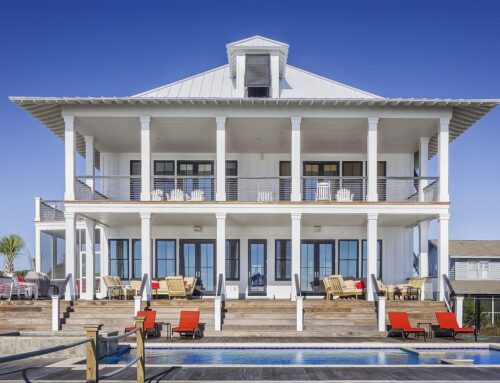
The Florida lifestyle is amazing – but it can also be unpredictable. From hurricanes to heavy traffic, residents need to stay prepared for anything.
Insurance coverage in Florida isn’t just a formality; it’s a critical part of financial protection. This article will explore the key levels of coverage people typically need to protect themselves on the road, at home, and at work, along with an explanation of why each matters.
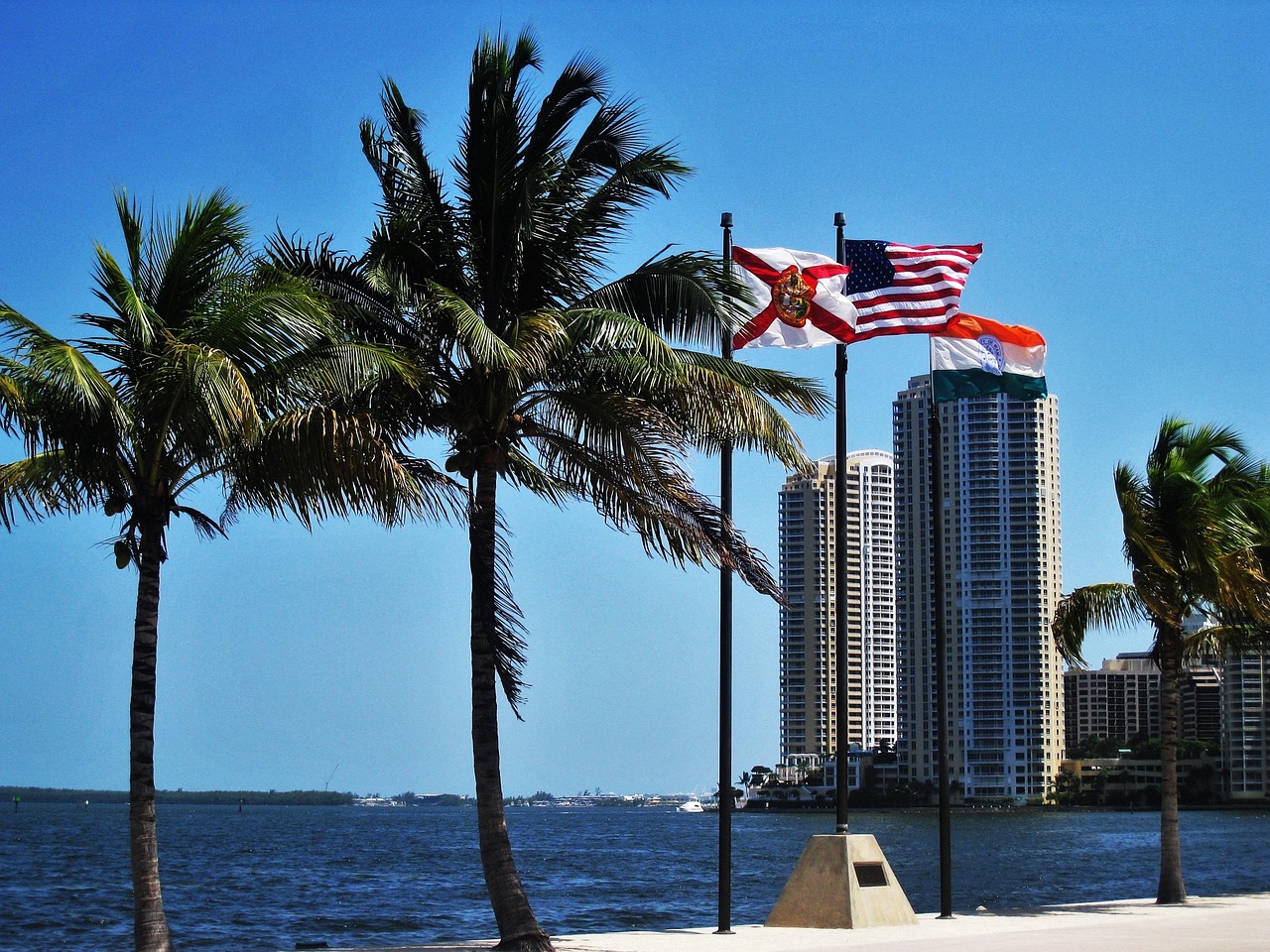
- On the Road: Auto-Related Coverage: Florida is a no-fault insurance state, which means your own policy pays for your injuries in many situations, regardless of who caused the accident. Because of this unique system—and because Florida has one of the highest rates of uninsured drivers—drivers must be thoughtful about the layers of protection they carry.
Required Coverage- Personal Injury Protection (PIP): The minimum level of coverage required by law is $10,000. PIP pays for medical costs and lost wages for you and certain passengers, regardless of fault. However, hospital bills can quickly exceed $10,000, so most residents choose more than the minimum.
- Property Damage Liability (PDL): This type of coverage is also required, with a minimum limit of $10,000. The coverage pays for damages you cause to someone else’s car or property.
Strongly Recommended Coverage
- Bodily Injury Liability (BIL): Surprisingly, this typr of insurance is not required in Florida except in certain cases (such as after serious driving violations). BIL protects you if you injure someone in an accident. Without it, you could be held personally responsible for high medical costs and legal claims.
- Uninsured/Underinsured Motorist Coverage (UM/UIM): This coverage is essential in a state where many drivers carry only minimum coverage—or none at all. UM/UIM helps pay medical costs if another driver injures you and doesn’t have enough insurance.
- Comprehensive and Collision: These policies pay for damage to your own vehicle from accidents, storms, theft, flooding, or even falling tree limbs (a real risk during hurricane season).
- Rental Reimbursement and Roadside Assistance: These represent helpful but optional add-ons that provide convenience and reduce out-of-pocket costs after an accident.
- At Home: Property and Liability Coverage: Florida homeowners and renters face unique exposures, including hurricanes, floods and sinkholes. Because of these risks, property insurance in the state is more specialized than in most others.
For Homeowners- Homeowners Insurance (HO-3 or HO-5 Policies): Covers the structure, personal belongings, and liability. However, standard policies exclude flood and often limit wind coverage.
- Hurricane/Windstorm Coverage: Windstorm coverage is typically included in required policies – but may require a separate rider and deductible. Given Florida’s vulnerability to storms, strong wind coverage is non-negotiable.
- Flood Insurance: Floridians are often surprised to learn that flood insurance is not included in standard homeowners insurance. It is typically available through the National Flood Insurance Program (NFIP) or private carriers. Even homes outside high-risk flood zones often suffer flooding during major storms.
- Sinkhole Coverage: Florida is one of the few states where sinkholes are common due to our shallow water table. Catastrophic ground collapse is generally included in a standard policy, but full sinkhole coverage may need to be purchased separately.
- Personal Liability Coverage: This coverage protects you if someone is injured on your property – or if you accidentally damage someone else’s property (including situations away from home).
- Umbrella Insurance: An umbrella policy adds an extra layer of liability protection—usually in increments of $1 million. Useful for homeowners with a pool, large property, or substantial assets.
Renters need:
- Renters insurance for belongings and liability
- Flood insurance if they live in low-lying or coastal areas
- At Work: Employment-Related Coverage: Whether employer or employee, work-related insurance protects your income and stability.Workers’ Compensation (for Employers and Employees): Florida requires most employers to carry workers’ comp to cover injuries, medical treatment, and lost wages. For workers, this ensures care without litigation; for employers, it reduces liability.Disability Insurance: The state does not provide disability insurance. Individuals should consider:
- Short-term disability for temporary illnesses or injuries
- Long-term disability for an extended inability to work
Professional Liability Insurance: This type of insurance is essential for professionals such as doctors, lawyers, real estate agents, architects, and consultants. It protects against claims of negligence or errors.
Business Insurance (for the Self-Employed): Business insurance includes general liability, property coverage, commercial auto, and business interruption insurance—especially important during hurricanes.
A Florida lifestyle requires layered protection. With thoughtful coverage, Floridians can navigate their state’s unpredictability with confidence.
Take control of your risk in 2026. Call Anderson & Associates Insurance Group today to learn more about comprehensive coverage for the way you live.