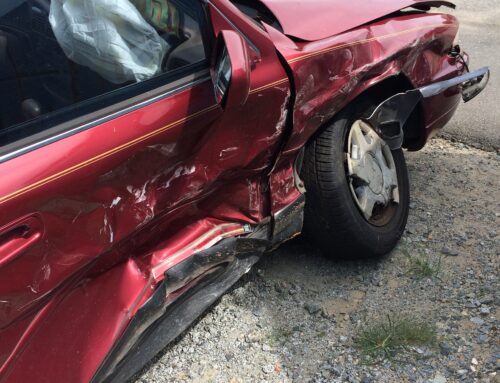
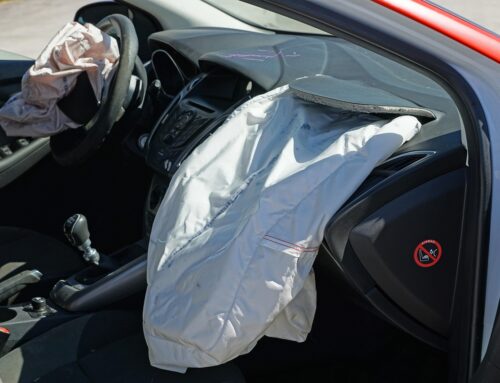
Have you ever wondered what you should do right after a car accident? Whether it’s a small fender bender on 8th Avenue in Palmetto or a more serious collision, knowing the right steps can be crucial. In Florida, where roads are often busy and weather conditions can change in the blink of an eye, being prepared is more important than ever.
First, take a moment to breathe. The seconds following an accident can be stressful, but staying calm will help you think clearly. Your safety, and the safety of others, is the top priority. After ensuring that everyone is okay, it’s important to document the scene and gather necessary information. This can be vital for any future insurance claims. Remember that while it’s necessary to share information with the other driver involved, not every detail needs to be shared on social media.
In the Sunshine State, road incidents can happen anytime, but knowing how to handle them effectively can save you time, stress, and potential complications with your insurance later on. We’ll walk you through the steps to take immediately after an accident, ensuring that you’re prepared and protected.
Ensuring Safety at the Scene
After an accident, your first priority should be ensuring everyone’s safety, including your own. Start by checking yourself for any injuries. If you’re injured, try to remain calm and call 911 immediately if you’re able. If you’re unhurt, take a moment to assess the situation around you.
If you’re on a busy road, it may be safest to stay inside your vehicle until help arrives. However, if there is a risk of fire or you’re in a dangerous position such as in the path of oncoming traffic, carefully move to a safer area. Your safety and the safety of others should guide your decision.
In Florida, where rainstorms can quickly impair visibility, having reflective triangles or flares in your emergency kit can be invaluable. Place them at a safe distance to alert other drivers of the accident. Turning on your hazard lights is another post-accident step that can help improve visibility.
Ensure that children and pets are secured or kept calm while remaining aware of their surroundings. If you have passengers, check on their condition as well. Many injuries are not immediately apparent, so encourage anyone involved to stay still if they’re injured. Avoid discussing fault or specifics of the incident immediately at the scene.
Contact emergency services as soon as you’re able. It’s important for a police report to be filed even for minor accidents. Accurate reports can help with insurance claims later. First responders are trained to handle these situations and can offer aid to anyone who needs medical attention.
Remember that post-accident steps can differ slightly depending on the specific circumstances. However, prioritizing safety, seeking medical assistance when necessary, and alerting other drivers to the accident are vital components of ensuring the well-being of everyone involved. Always remain as calm as possible to make effective decisions during this stressful time.
Collecting Essential Information
During the moments following a car accident, staying calm and focused is crucial. Part of an effective crash response involves collecting essential information. This information not only helps when filing an insurance claim but can also protect your interests.
Start by ensuring your safety and the safety of others around you. Once it’s safe to do so, gather the details of the accident. Begin with the other driver’s information. This includes their name, phone number, address, and driver’s license number. Verify these details with their license to ensure accuracy. Collect their vehicle registration and insurance information as well.
Next, document the accident scene. Use your smartphone to take photos from multiple angles. Capture the condition of the vehicles, including any visible damage and license plates. If there are tire marks on the road, traffic signs, or signals relevant to the incident, photograph them too. These pictures can provide a clear visual account when discussing your crash response with your insurance agency later.
Equally important is identifying potential witnesses. If anyone stopped to help or saw the crash occur, ask for their contact information. Witness statements can offer invaluable third-party views to support your version of events. Remember to stay polite and refrain from discussing fault—simply gather the facts.
In Palmetto and throughout Florida, it’s necessary to keep weather conditions in mind. If the crash happened in poor weather or wet road conditions, note those details as they may be relevant to your insurance adjuster.
Keep all collected information organized. Once you’ve returned to a safe location, use this data to accurately detail your crash response when reporting to your insurance provider. Remember, insurance policies vary, so having comprehensive documentation will help ensure you’re prepared for any policy nuances specific to Florida.
Being thorough in your information gathering after a collision can make a significant difference in the claim process and ensure a smoother recovery for all involved.
Beginning the Claims Process
After ensuring everyone is safe and exchanging information at the scene, it’s time to begin the claims process. This is where an insurance claim guide can come in handy, especially for Florida residents dealing with specific local considerations like hurricane-damaged vehicles or heightened flood risks.
First, contact your insurance provider as soon as possible. Many insurers have apps or online portals for convenience, but a phone call can ensure you fully understand the next steps. Clearly describe the accident and provide any evidence you’ve gathered, such as photos or eyewitness accounts. Remember, each policy may have different requirements, so following your carrier’s specific instructions is crucial.
While reporting the accident, have necessary information on hand. This includes your policy number, details from the crash scene, and contact information for the other party involved. The insurance representative will guide you on what additional documentation is needed, but having a thorough record will speed up the process.
Florida’s unique environment means you may face extra questions about weather conditions during the incident. If poor weather played a part, mention this to your insurer. Whether it’s a sudden storm or a slippery roadway due to rain, these details can be significant for your claim.
Next, keep track of any communication with your insurance provider. Whether through emails, app notifications, or calls, an organized record will ensure nothing falls through the cracks. This is part of shaping your own insurance claim guide, which will be particularly helpful if you need to provide further information or dispute any part of the claims process.
Florida drivers should also remember the potential implications on their insurance premiums. Depending on your coverage, responsibilities in the accident, and your claims history, your rates might change. Discuss these aspects with your insurer to make informed decisions.
Every insurance policy is different, and coverage can vary significantly. Stay informed about your policies and choose the best course of action based on your specific situation.
Frequently Asked Questions
FAQ1: What should I do immediately after a car accident?
First, ensure everyone’s safety. If possible, move to a safe location away from traffic. Check for injuries and call 911 if medical assistance is needed. In Florida, it’s important to report accidents to law enforcement, especially if there are injuries or significant property damage. Stay calm and do not admit fault at the scene, as this can complicate the claim process later.
FAQ2: How can I document the scene for insurance purposes?
Start by taking clear photos of the accident scene. Capture all vehicles involved, any visible damages, license plates, and relevant road conditions or traffic signs. If there are witnesses, gather their contact information and ask if they are willing to provide a statement. Write down details of the accident while they are fresh in your mind, such as the time, location, and circumstances leading up to the crash. This documentation will be helpful when filing your insurance claim.
FAQ3: When should I contact my insurance company after a crash?
Notify your insurance company as soon as possible after the accident. This is crucial for starting the claims process promptly. Florida has specific timelines within which claims must be reported, so don’t delay. Be prepared to provide the accident details you’ve documented, as well as a copy of the police report if one was filed. Remember that coverage can vary by policy and carrier, so understanding your specific coverage is important.
Next Steps
An accident can turn your day upside down, but knowing what to do next can bring some order to the chaos. Taking a few deep breaths, prioritizing everyone’s safety, and gathering essential information sets the stage for a smoother claims process. Ensuring you have all your documents ready when you contact your insurer can speed things up and minimize stress. In Florida, always consider how local elements like weather might affect those steps. Staying organized will not only help you navigate insurance more effectively but also prepare you for the unexpected challenges that can come with a car accident.