Re-evaluating Your Coverage
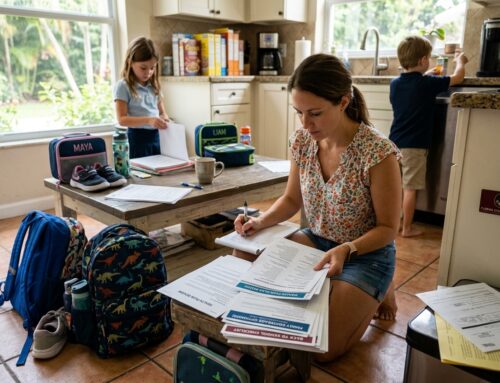
After a hurricane, your first instinct is to assess the damage — but your post-hurricane insurance coverage deserves just as much attention as the debris in your yard. For many Florida residents, understanding what adjustments might be needed in your insurance plans can make a significant difference in how fully you recover.
Hurricanes can wreak havoc on homes, vehicles, and businesses, and their unpredictable nature underscores the importance of thorough preparation. While storm shutters and emergency kits are essential, having the right insurance coverage is just as crucial. Maybe you’ve experienced rising repair costs or discovered gaps in your existing policies after the latest storm. Or perhaps you’ve moved to a new home that carries different risks than your previous one.
Reviewing and adjusting your insurance isn’t just about repairing what’s broken. It’s about building resilience for the future. Here in Palmetto, we understand that protecting your property and peace of mind is vital. With the right adjustments, you can better safeguard what matters most against the unpredictable power of Mother Nature. Let’s dive into the key areas where you might consider tailoring your coverage to better fit post-hurricane realities.
Re-evaluating Your Coverage
Re-evaluating your coverage after a hurricane is a necessary step for Florida residents. The aftermath of a storm often highlights the strengths and weaknesses in your existing insurance, making it the ideal time to consider adjustments. A post-hurricane insurance review can help you identify gaps and ensure your policy aligns with your current needs.
Start with your homeowners insurance. If you faced damage during the recent hurricane, check whether your current policy actually covered those losses. Look at structural damage, personal belongings, and anything in between. For properties in high-risk flood areas, make sure your policy includes adequate flood coverage. Most standard policies don’t cover flooding, so a separate flood insurance policy is often necessary.
Next, look at your windstorm coverage. Florida’s hurricane season brings strong winds that can tear off roofs and shatter windows. Check whether your post-hurricane insurance includes windstorm provisions. Some policies carry a separate deductible for wind damage, so understanding those details now can prevent some unpleasant surprises later.
Your car insurance should also be on the list. Confirm that your comprehensive coverage protects against storm-related damage like flooding or falling debris. After a significant storm, it’s worth reviewing your limits and deductibles to make sure they match your budget and actual risk exposure.
Business owners should scrutinize their commercial policies too. Confirm that your coverage includes business interruption insurance, which can be critical for recovery if operations are halted due to storm damage. Evaluate your property coverage to protect against damage to your business’s physical location and assets.
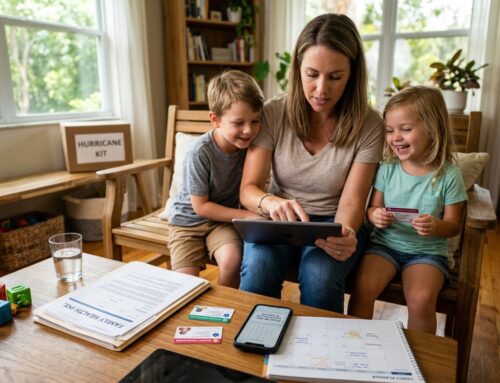
While reviewing your policies, keep in mind that your family’s needs may have changed. Whether it’s home updates from recent repairs or shifts in your business operations, adjusting your insurance now keeps you prepared for the next hurricane season.
Finally, working with a knowledgeable local agent can help you navigate these changes. An agent who understands the specific challenges Florida residents face can tailor your coverage to give you the best protection available. Post-hurricane insurance is ultimately about making sure you’re equipped to rebuild and recover, should another storm roll through.
Understanding Insurance Adjustments
After a hurricane hits Florida, understanding how to adjust your insurance policies becomes a crucial step. The process can feel overwhelming, but it’s an important part of making sure you’re properly protected going forward. When we talk about a policy adjustment, we mean changing the terms or coverage levels of your insurance to better suit your current needs.
One key reason for a post-hurricane policy adjustment is to account for changes in property value or home structure. If your home was damaged, its market value may look very different than it did before the storm. You may need to adjust your dwelling coverage to reflect that new reality so your insurance actually matches what you’re living with.
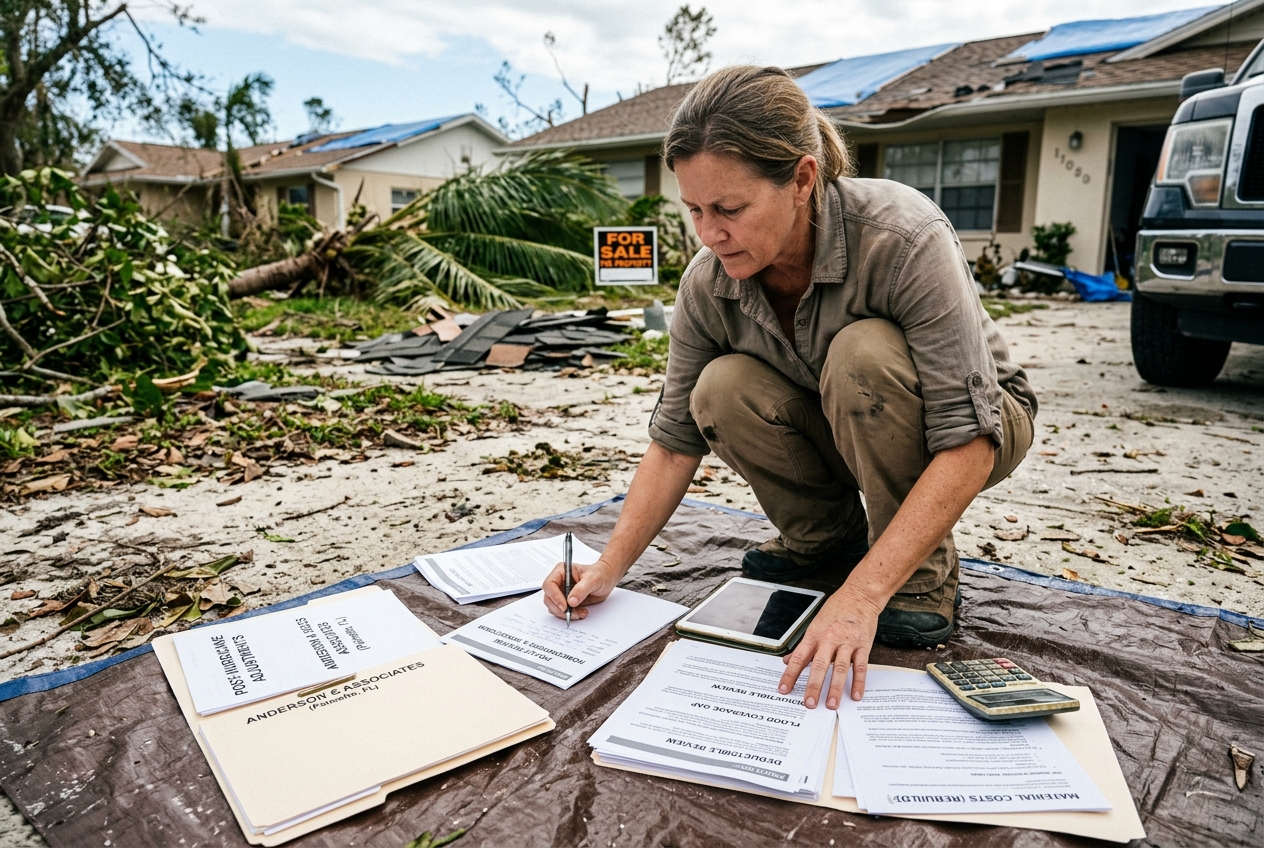
Another important consideration is the cost and availability of materials and labor. In the aftermath of a hurricane, those costs often spike due to high demand. Think about what happened after Hurricane Ian in 2022, when roofing contractors were booked out for months and material costs soared. Rebuilding or repairing your home can become significantly more expensive in that environment. By discussing a policy adjustment with your insurance agent, you may be able to increase your coverage limits to accommodate those potential cost increases, sparing yourself major out-of-pocket expenses down the road.
Florida’s landscape is always at risk for future hurricanes and flooding, so it’s worth looking into adding endorsements or upgrading your coverage. That might mean adding flood insurance if your policy doesn’t already include it, or adjusting your windstorm deductible to better align with your budget. The Florida Department of Financial Services offers additional guidance for Floridians navigating insurance decisions after a storm.
Keep in mind that policy adjustments vary by insurance company and by your existing policy. Each carrier has its own guidelines and options. Take the time to evaluate your current policies and consult with a knowledgeable agent, such as those at Anderson & Associates in Palmetto. With local expertise, they can help you navigate the complexities of policy adjustments and make sure your coverage is genuinely suited to your needs.
Long-term Planning Changes
After a hurricane, evaluating your long-term insurance needs is essential. The storm’s impact may have revealed weaknesses in your current protection or surfaced new circumstances you hadn’t previously considered. Given Florida’s unpredictable weather, it pays to anticipate future risks and make sure your policies reflect them.
Start by reassessing your property insurance. If your home sustained damage that wasn’t fully covered, that’s a clear signal to review your dwelling and personal property limits. Consider whether your coverage needs to be increased to accommodate rising property values or repair costs, which can fluctuate significantly after a hurricane due to heightened demand. Look into additional endorsements or riders that might strengthen your policy, such as coverage for high-value items or exterior structures.
Flood insurance is another critical area to examine. Hurricane-related flooding can be devastating, and many residents are genuinely surprised to learn that standard homeowners insurance doesn’t cover flood damage. Check whether your current flood insurance is sufficient for your situation. If it’s falling short, now is the time to adjust it or start a new policy entirely. The Insurance Information Institute offers helpful resources on coverage considerations before and after hurricanes.
For businesses, a post-hurricane commercial insurance review is equally important. Business interruption coverage can protect your income during repair periods, but only if it accurately reflects your operational needs. Also review whether your business liability coverage accounts for heightened risks from weather-related disruptions or property damage specific to Florida’s hurricane exposure.
Lastly, take stock of any changes in your family situation or personal property. New additions to your home or family can alter your insurance requirements. If you’ve recently bought a car, make sure your auto insurance reflects its value and any weather-related risks. Life insurance may also need revisiting if your family’s financial dynamics have shifted since the storm.
As you adjust your coverage, work closely with a knowledgeable agent who understands Florida’s unique challenges. That partnership ensures your coverage needs are fully met, giving you genuine peace of mind no matter what the next season brings.
Frequently Asked Questions
How should I reassess my insurance coverage after a hurricane?
Reviewing your insurance coverage after a hurricane is crucial for making sure your protection aligns with your current needs. Start by evaluating any damage to your property and gather estimates for repairs or replacement. Compare those costs with your current coverage limits to see if they hold up. If you experienced losses that weren’t fully covered, it may be time to adjust your policy. It’s also worth reconsidering the value of your belongings and updating your home inventory. Contact your insurance agent to discuss your findings and explore your options.
What changes to existing policies might be necessary?
After a hurricane, you may find that certain aspects of your coverage need updating. This could include increasing your dwelling coverage to reflect current labor and material costs for rebuilding. You might also need stronger windstorm coverage if your area is prone to intense storms. Reviewing your deductible is another key step. A higher deductible can lower your premiums, but it may not be ideal if you anticipate frequent claims. You should also consider whether to add or adjust flood insurance, since standard home policies typically don’t cover flood damage.
How do I align my insurance with long-term needs post-hurricane?
To make sure your insurance meets your long-term needs, think about how your lifestyle might be changing. If you’re planning extensive renovations or purchasing new valuables, updating your policy limits will be necessary. Stay informed about rebuilding costs and make adjustments as those costs evolve. Given Florida’s weather risks, consider comprehensive coverage that includes both flood and windstorm protection. The CDC’s hurricane preparedness resources can also help you think through safety and rebuilding considerations. Set a regular schedule to review and adjust your policies with your agent so your coverage stays current with your circumstances.
Next Steps For You
After a hurricane, taking a closer look at your insurance policies can prepare you for both immediate recovery and long-term resilience. The storm may have exposed new vulnerabilities in your coverage that deserve attention. By assessing your homeowners, auto, and business insurance, you can uncover gaps and make sure your policies reflect current property values and risks. Consider reaching out to a local insurance agent who understands Florida’s unique challenges, like those at Anderson & Associates in Palmetto. They can help tailor your coverage so your protection matches your specific needs and gives you real peace of mind ahead of future storms.