Managing Health Risks
After a hurricane tears through Florida, the hidden dangers left behind can be just as threatening as the storm itself. Post-hurricane health risks don’t announce themselves — contaminated floodwaters, mold creeping into walls, and stress that builds quietly over weeks can all catch you off guard. Having a clear action plan makes a real difference for your family’s well-being. This means everything from securing your property against further damage to recognizing environmental hazards like mold or compromised water sources.
Whether you’re dealing with downed power lines or the more specific concerns of living in a hurricane-prone area like Palmetto, being informed and prepared can significantly reduce your risks. As you rebuild, keeping health and safety front of mind will help protect your home and the people in it. Here are the key steps to take in the wake of a powerful storm.
Managing Health Risks
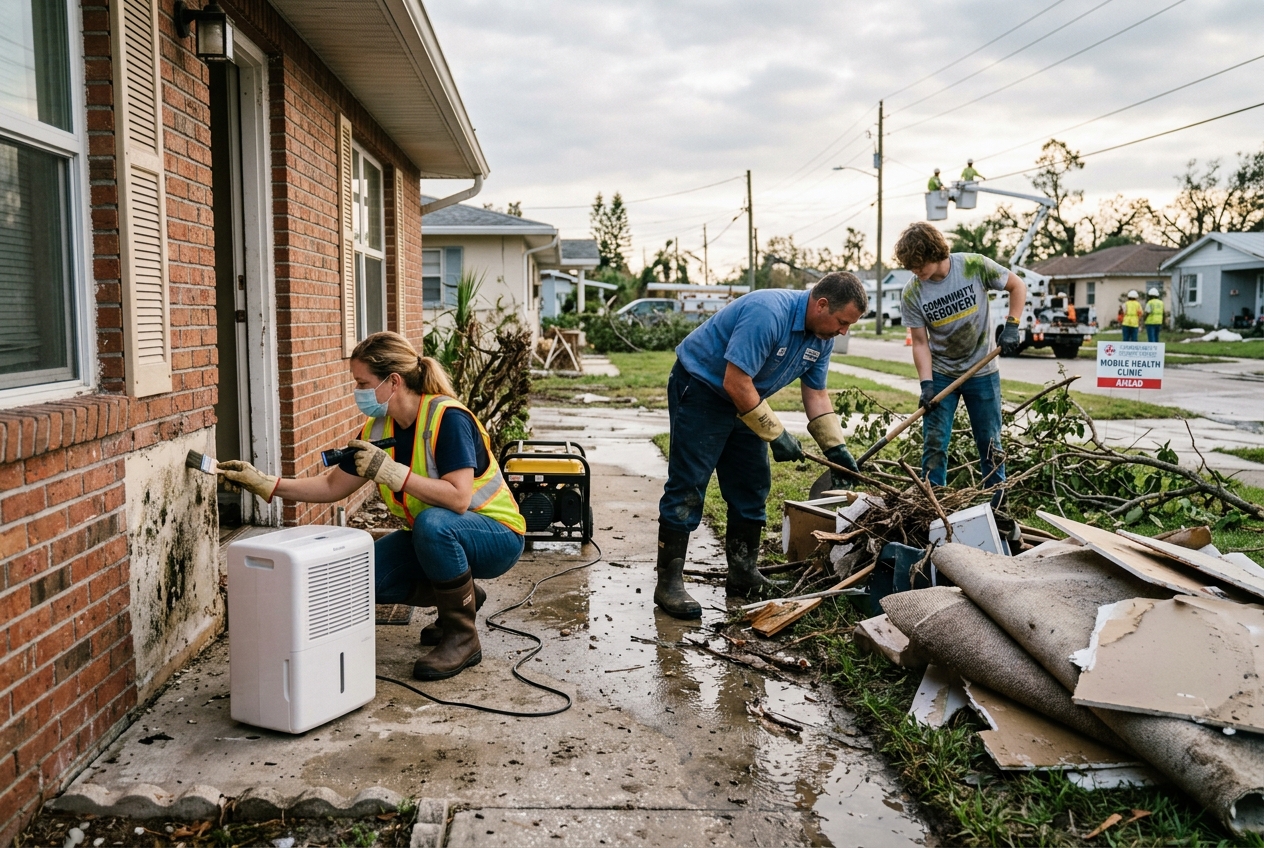
After a hurricane, Florida residents face health challenges that can linger long after the storm has passed. Start by making sure your home environment is free of immediate hazards. Broken glass, exposed nails, and scattered debris can cause serious injuries, so wear sturdy gloves and shoes when cleaning up.
Water is one of the biggest concerns after a hurricane. Floodwaters may contain sewage, chemicals, and other pollutants, so avoid contact whenever possible and never drink tap water until local officials confirm it’s safe. Use bottled water for drinking and cooking to reduce your risk of gastrointestinal illness. If you live in a flood-prone area, reviewing your flood insurance coverage before storm season is a smart step toward protecting your household.
Stagnant water also becomes a breeding ground for mosquitoes, which can carry diseases like West Nile Virus. Wear long sleeves, use insect repellent with DEET, fix any torn window screens, and eliminate standing water around your property. The CDC’s hurricane preparedness guidelines offer detailed guidance on reducing disease exposure after a storm.
Mold is another common problem in Florida’s humid climate. It can develop within 24 to 48 hours in damp, flood-affected areas and trigger respiratory issues. Remove wet materials like carpets and upholstery as quickly as you can. Run dehumidifiers and fans to dry things out before mold has a chance to take hold.
Mental health matters here too. The stress and trauma of going through a major storm can take a real toll, and that’s easy to underestimate when you’re focused on repairs and logistics. If you or your loved ones are feeling overwhelmed, reach out to a counselor or local support group. Staying connected with your community helps more than you might expect.
Finally, check on your medications. Heat and moisture can compromise many prescriptions, so contact your pharmacist if you’re unsure whether something is still effective. A well-stocked emergency kit with first aid supplies and health essentials is worth putting together before the next storm season starts.
Emotional Recovery Support
Physical safety gets most of the attention after a hurricane, but your emotional well-being matters just as much. A major storm can leave lasting effects on mental health, and those effects shape how well and how quickly you recover overall.
Start by acknowledging what you’re feeling. Anxiety, sadness, and a sense of being completely overwhelmed are all normal responses to watching your home sustain serious damage or riding out the fear of a storm. Accepting those feelings is the first step toward working through them.
Reach out to the people around you. Talk to friends, family, or neighbors about what you experienced. In communities like Palmetto, where neighbors often look out for one another, having someone to talk to can make recovery feel far less isolating.
If you’re struggling to manage on your own, consider professional support. Florida has local therapists and mental health hotlines specifically geared toward disaster recovery, and reaching out is a sign of strength, not weakness. A counselor can offer coping strategies tailored to what you’re going through. The National Institute of Mental Health’s resources on coping with disasters are a helpful starting point.
Small acts of self-care go a long way too. A walk through a part of your neighborhood that’s still intact, time in the garden, or even just reading for half an hour can ease tension and help you reset. Exercise, in particular, is one of the most reliable mood-lifters available to you.
Try to maintain some kind of routine. Even simple daily tasks create structure and a sense of purpose when everything else feels uncertain. Prioritize sleep and eat as well as you can, since both have a direct effect on your ability to process stress and make clear decisions.
Emotional recovery is not a detour from rebuilding your life after a hurricane. It is part of it.
Using Community Health Services
Community health services are one of the most valuable and underused resources available to Florida families after a hurricane. When local infrastructure is still recovering, knowing where to turn can save you significant time and stress.
Local health departments often provide vaccines, health check-ups, and mental health support at no cost during disaster recovery periods. If you’ve experienced storm-related trauma or physical health issues, these services exist specifically for situations like yours. Mobile clinics frequently travel to affected areas, offering everything from medical treatment to nutritional support, which is especially helpful if you can’t easily travel. The Florida Department of Health’s hurricane preparedness resources can point you toward services available in your area.
State and national organizations often coordinate with local health departments to broaden what’s available. Check your local health department’s website or call them directly for updates on services near you.
Local nonprofits and community organizations are also worth contacting. Many offer food banks, clothing, and temporary shelter, and they frequently partner with health providers to deliver care that addresses the full picture of what families need after a disaster. The American Red Cross is one such organization with deep experience supporting hurricane recovery efforts.
Public information systems like Florida Alerts can keep you updated on where and when these services are available. Staying connected to those updates ensures you don’t miss something that could genuinely help your family.
Getting your family back to stable footing after a hurricane means more than securing food and shelter. Community health services help make sure your medical and mental health needs are met along the way.
Frequently Asked Questions
What health risks are common after a hurricane?
Standing water breeds mosquitoes that can spread diseases like West Nile Virus. Contaminated water supplies can cause gastrointestinal illness if consumed. Structural damage increases injury risk, particularly when you’re moving through debris. Avoid wading through floodwaters whenever possible due to hazardous materials and sharp objects hidden beneath the surface.
How can I support emotional recovery after a storm?
Talk about your experiences with family, friends, or a mental health professional. Re-establishing a daily routine helps restore a sense of normalcy. For children, provide calm, honest reassurance and give them space to voice their concerns. Community support groups are a practical resource for sharing experiences and finding coping strategies. Seeking professional help is a positive, proactive step.
What community health services are available after a disaster?
Local health departments often set up temporary clinics for medical care and vaccinations. FEMA and other disaster relief organizations may provide mental health counseling and basic medical assistance. Mobile clinics travel to affected areas to deliver necessary care. Contact local authorities to find out what resources are currently available in Palmetto and the surrounding area.
Next Steps
Recovering from a hurricane means addressing both the visible damage and the less visible toll it takes on your health. From managing floodwater contamination and mold to supporting your mental health and connecting with community resources, every step forward counts. The services and strategies covered here are designed to help you and your family move through this with as much support as possible. Taking proactive steps now puts you in a stronger position for a full and hopeful recovery.
If you have questions about protecting your home and family before the next storm season, the team at Anderson Insurance Group is ready to help. Reach out to us today to review your coverage and make sure you’re prepared.