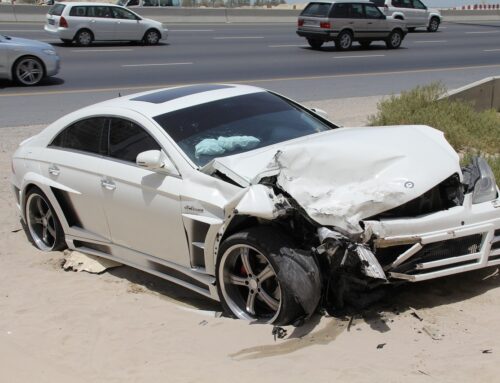
Have you ever wondered what would happen if your car got caught in a storm or was involved in an accident? In Florida, where hurricanes and unpredictable weather are part of life, understanding comprehensive auto insurance is key to protecting your vehicle. Comprehensive auto insurance goes beyond just covering collisions. It can offer financial protection against damages from non-collision events such as theft, vandalism, and natural disasters.
Living in a state with unique risks like Florida means that ensuring you’re covered for every possibility becomes crucial. Whether it’s a falling tree branch during a storm or damage from flooding, comprehensive auto insurance can help cover repairs or replacement costs, giving you peace of mind in uncertain times. Coverage specifics vary with each policy and provider, so it’s important to assess your needs and understand what is included in your plan.
Navigating the intricate world of auto insurance can be daunting, but with the right information, you can make informed choices. Let’s unpack what comprehensive auto insurance entails and why it might be a smart choice for your peace of mind and your wallet.
What Comprehensive Covers
Comprehensive auto insurance is often the go-to choice for drivers in Florida who want an added layer of protection beyond standard policies. While we all hope to avoid accidents, sometimes the unpredictabilities of life can pose threats to our vehicles that are beyond our control. Comprehensive auto insurance steps in to cover these kinds of unfortunate events.
One of the key aspects of comprehensive auto insurance is its ability to cover damages that result from non-collision incidents. This includes a range of scenarios such as theft, vandalism, or even fire. For instance, if your car is parked in your driveway in Palmetto and a falling tree branch causes damage, comprehensive coverage typically helps with repair costs. Similarly, if a thief decides to break into your car while it’s parked at a local beach, this coverage can assist in covering the losses.
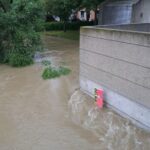
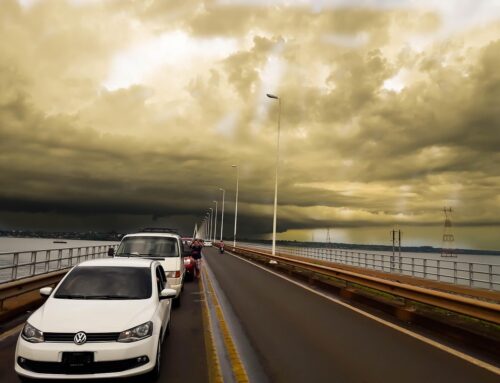
Living in Florida, you’re likely aware of the risk of severe weather, including hurricanes and storms. Comprehensive auto insurance provides protection for weather-related damages, which can be crucial during storm season. If wind or flooding results in damage to your car, this insurance can cover the repair or replacement costs. It’s important to note that while comprehensive coverage is extensive, each policy can vary, so it’s essential to review what your specific policy covers.
Animal-related damage also falls under comprehensive coverage. If you’re driving and a deer unexpectedly darts out, leading to a collision, or if critters decide to make a home under your hood, comprehensive coverage can help pay for the damages.
Remember, comprehensive auto insurance does not cover everything. It won’t typically cover collision damages. For these, you’d need collision coverage. It’s always a good idea to discuss your options with a local insurance agent who understands the specific risks associated with living in Florida, ensuring you have a plan tailored to your needs.
Limits and Exclusions
When exploring insurance basics, understanding the limits and exclusions of a comprehensive auto insurance policy is essential. These details determine what your policy will cover and what it won’t, shaping your protection on Florida’s roads.
Limits refer to the maximum amount your insurance company will pay for a covered claim. With comprehensive auto insurance, these limits often pertain to damages from incidents like theft, vandalism, or natural disasters. It’s important to choose coverage limits that match your needs and the value of your vehicle. In Florida, where hurricanes and floods are a fact of life, these limits could significantly influence your financial readiness in the event of damage caused by severe weather.
Exclusions, on the other hand, are specific conditions or situations not covered by your policy. Comprehensive auto insurance typically excludes wear and tear, mechanical breakdowns, or intentional damage to your vehicle. For Floridians, understanding another common exclusion—flood damage—is vital, particularly for those living in flood-prone areas. Flood-related damage is generally not covered under comprehensive auto insurance but may require a separate flood insurance policy, especially for residents in high-risk zones like Palmetto.
Also, while comprehensive coverage offers protection beyond just collisions, it does not cover every possible scenario. For instance, liability from an accident you cause, medical expenses, or uninsured/underinsured motorist coverage are not included under comprehensive policies. These areas may require additional coverage types, which can be included in a full auto insurance package.
When reviewing your policy, consider the specific exclusions and ensure you understand how they might affect you in different scenarios. The insurance basics also remind us to periodically reassess these coverage choices and limits as life’s circumstances change, a crucial step to staying financially protected.
When to Opt for Comprehensive
Deciding whether to include comprehensive coverage in your vehicle coverage policy depends on several factors that are especially relevant to Florida residents. Unlike liability insurance, which covers damages to others, comprehensive insurance covers damage to your own vehicle from events other than collisions. This includes theft, vandalism, natural disasters, and falling objects.
Here in Florida, the risk of natural disasters, specifically hurricanes, warrants consideration of comprehensive coverage. If you live in areas prone to hurricanes or flooding, comprehensive insurance can offer peace of mind knowing your vehicle is covered against storm-related damage. This is particularly important during hurricane season when the risk of damage due to high winds and flooding increases.
Another factor to consider is the value of your vehicle. If your car is relatively new or holds significant value, comprehensive insurance may make more sense. Repairs or replacement of a newer vehicle can be costly without adequate coverage. On the other hand, if your car is older and its market value is low, the cost of comprehensive coverage might not be justified.
The safety of your surrounding environment also plays a role. If you park outside or in areas where vandalism or theft is prevalent, comprehensive coverage can protect you financially. Florida’s diverse urban environments can present unique risks, and comprehensive insurance ensures your vehicle is covered against such unpredictable events.
Additionally, check with your lender or leasing company if you’re financing or leasing a vehicle. They often require comprehensive coverage as part of your vehicle coverage policy to protect their financial interest in your car.
Ultimately, when considering comprehensive insurance, weigh these local and personal factors to determine if this vehicle coverage type suits your needs. Coverage varies by policy and carrier, so it’s always a good idea to discuss your options with a local expert, like the ones at Anderson & Associates Insurance Agency in Palmetto, to tailor a plan to your specific situation.
Understanding the Basics of Comprehensive Auto Insurance: FAQ
FAQ1: What exactly does comprehensive auto insurance cover?
Comprehensive auto insurance is designed to cover non-collision-related damages to your vehicle. This includes incidents like theft, vandalism, natural disasters, and fires. In Florida, where weather events like hurricanes can happen, comprehensive coverage could help protect your vehicle from damage caused by such incidents. It’s important to note that coverage specifics can vary depending on your policy and insurance carrier, so it’s always a good idea to review the details carefully.
FAQ2: Is comprehensive coverage mandatory?
In Florida, comprehensive auto insurance is not mandatory by state law. However, if you have a car loan or lease, your lender may require you to carry it until the vehicle is paid off. Even if not required, many drivers choose this coverage for added peace of mind, especially given the potential for natural disasters that can occur in the state.
FAQ3: How do I decide if I need comprehensive auto insurance?
Deciding whether to purchase comprehensive coverage depends on multiple factors. Consider the age and value of your vehicle. If it’s relatively new or valuable, comprehensive can provide extra protection against substantial repairs or replacement costs. Think about your location, too. In areas like Palmetto, Florida, where risks like storms and flooding are more significant, comprehensive coverage can be particularly beneficial. Finally, weigh your personal budgetary needs. Assess how much financial risk you’re willing to assume in the event of an unexpected incident. Reviewing these aspects can help you make a well-informed decision.
Next Steps
Comprehensive auto insurance offers Florida drivers crucial protection against non-collision damage, addressing risks unique to the Sunshine State. Whether it’s the aftermath of a storm or the unfortunate event of theft, this coverage plays an essential role in safeguarding your vehicle. Given Florida’s weather patterns, comprehensive insurance ensures that you are financially prepared for a range of challenges. Remember to closely review your policy details and exclusions, as coverage can differ across providers. Consulting with a knowledgeable local agent, like those at Anderson & Associates Insurance Agency in Palmetto, can help tailor a strategy that meets your unique needs and keeps you ready for whatever comes your way.