Florida’s warm, humid climate makes it a paradise for more than just vacationers—it’s also an ideal breeding ground for mold. For Florida homeowners, mold growth is not just an unsightly nuisance; it can cause significant health issues and property damage if not properly managed.
Why Is Mold So Common in Florida?
High Humidity and Rainfall: Florida experiences high humidity levels nearly year-round, often reaching 70% or more. Mold thrives in environments with moisture, and when combined with Florida’s frequent rain and thunderstorms, conditions become perfect for mold spores to flourish—particularly in poorly ventilated areas like attics, bathrooms, basements, and behind walls.
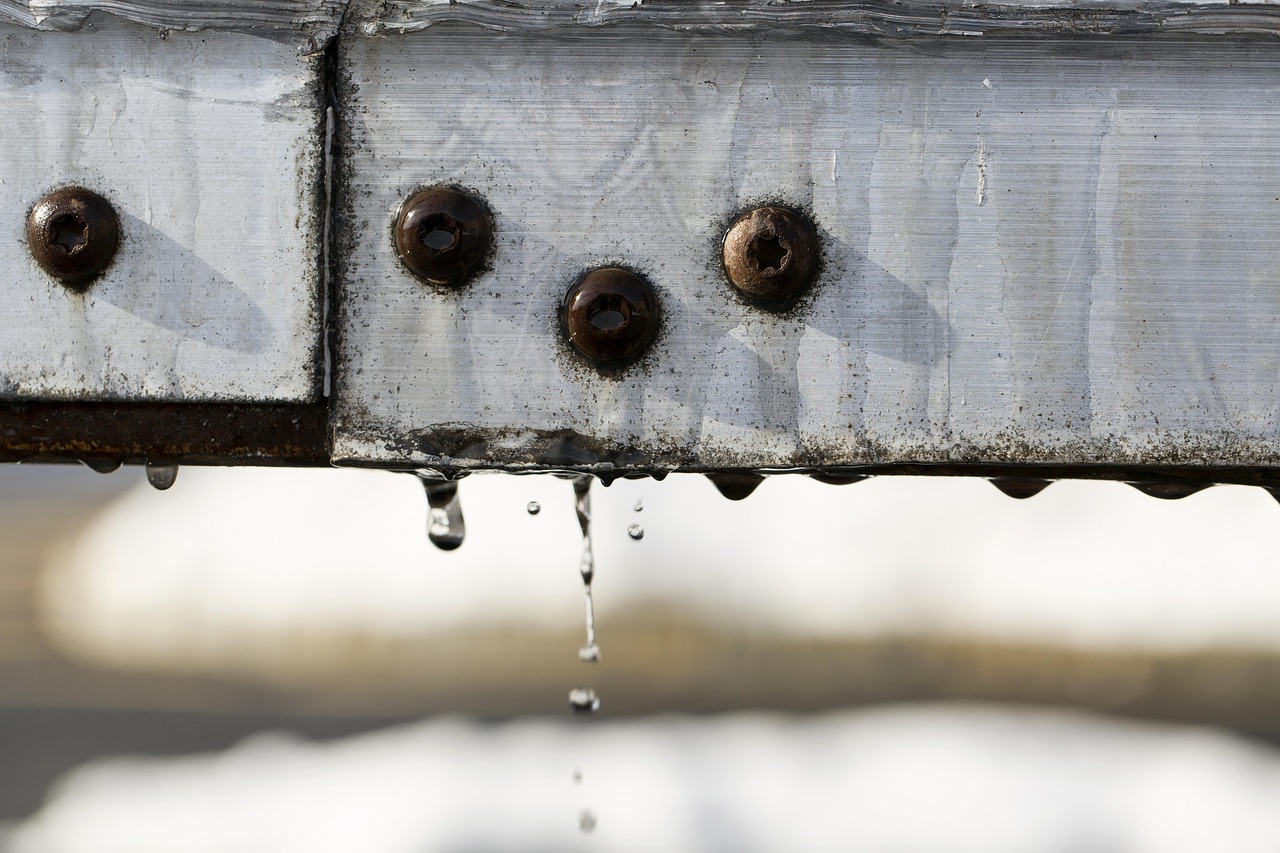
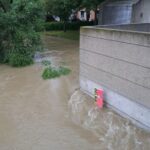
Tropical Storms and Hurricanes: Florida’s annual hurricane season brings heavy rains, flooding, and storm surges that can lead to water damage in homes. If moisture isn’t removed quickly and thoroughly, mold can begin to grow within 24 to 48 hours. Even homes that escape structural damage during a storm can develop mold due to minor leaks or water intrusion.
Aging Infrastructure: Many Florida homes, particularly in coastal areas, are older properties with outdated plumbing, roofing, and insulation. These aging systems are more prone to leaks or poor ventilation, which can go unnoticed until mold becomes a visible problem.
The Peril that Mold Growth Represents
Health Risks: Mold can have serious health effects – particularly for those with allergies, asthma, or compromised immune systems. Common symptoms include respiratory issues, skin irritation, sinus congestion, and headaches, and long-term exposure can aggravate chronic health conditions, especially in children and the elderly.
Structural Damage: Mold thrives on organic materials, such as wood, drywall, and insulation. Over time, mold infestations can weaken the structure of the home, resulting in expensive repairs.
Reduced Property Value: A home with visible mold damage or a history of mold growth issues can be more challenging to sell and may command a lower market price. The potential need for remediation may also deter buyers.
How to Prevent Mold Growth
Control Indoor Humidity: Use dehumidifiers in damp areas and ensure your HVAC system is functioning properly. Keep indoor humidity levels between 40-50%.
Improve Ventilation: Ensure bathrooms, kitchens, and laundry areas are well-ventilated. Use exhaust fans when showering or cooking, and ensure your attic and crawl spaces have proper airflow.
Fix Leaks Promptly: Regularly inspect your roof, plumbing, windows, and foundation for leaks. Even small drips or condensation can lead to mold growth over time.
Use Mold-Resistant Materials: When renovating or repairing, consider mold-resistant drywall, paints, and insulation—especially in areas prone to moisture.
Dry Wet Areas Immediately: After flooding or spills, dry affected areas as quickly as possible. Use fans, open windows, and remove soaked materials like carpets and drywall that can retain moisture.
Does Homeowners Insurance Cover Mold Remediation?
The short answer is: it depends. Most standard homeowners’ insurance policies do not cover mold damage if it is the result of long-term neglect, maintenance issues, or humidity. However, if mold results from a covered peril—such as a burst pipe or storm damage—then mold remediation may be included in the claim.
Because mold remediation can be costly, some insurers offer limited mold coverage or optional riders that provide additional protection.
Homeowners should review their policy carefully and speak with their insurance agent to understand what is and isn’t covered, and consider purchasing additional coverage if needed.
Questions? We Are Here to Help
Proper maintenance and preventative action are the best defenses against mold. Don’t wait until mold becomes a visible issue—by then, it may already be causing damage behind the scenes.
When it comes to insurance, being proactive and informed can make a big difference in managing both risks and costs. Call Anderson & Associates Insurance Group today to learn more about options for protecting your home.